Wooden Wonders
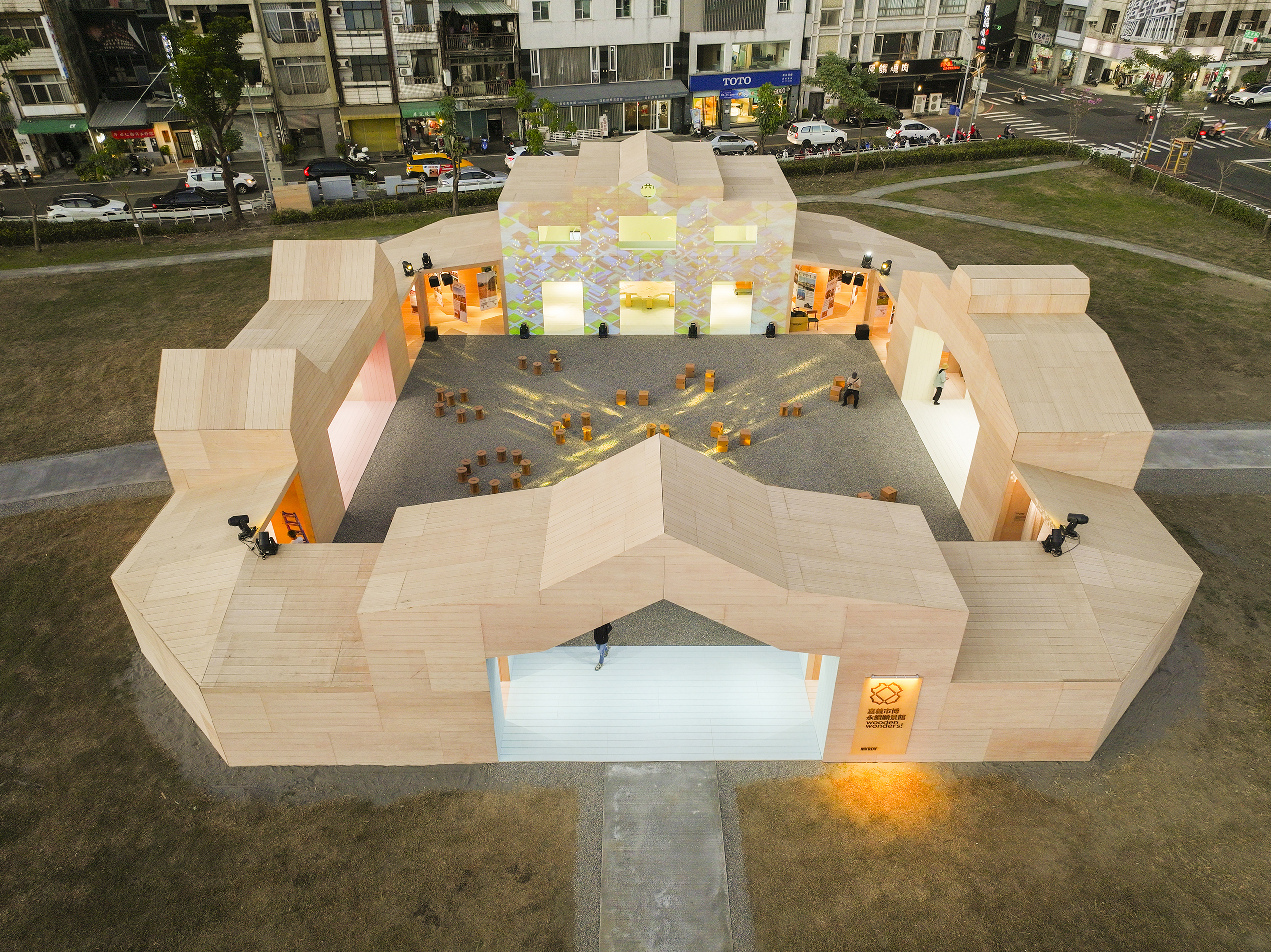
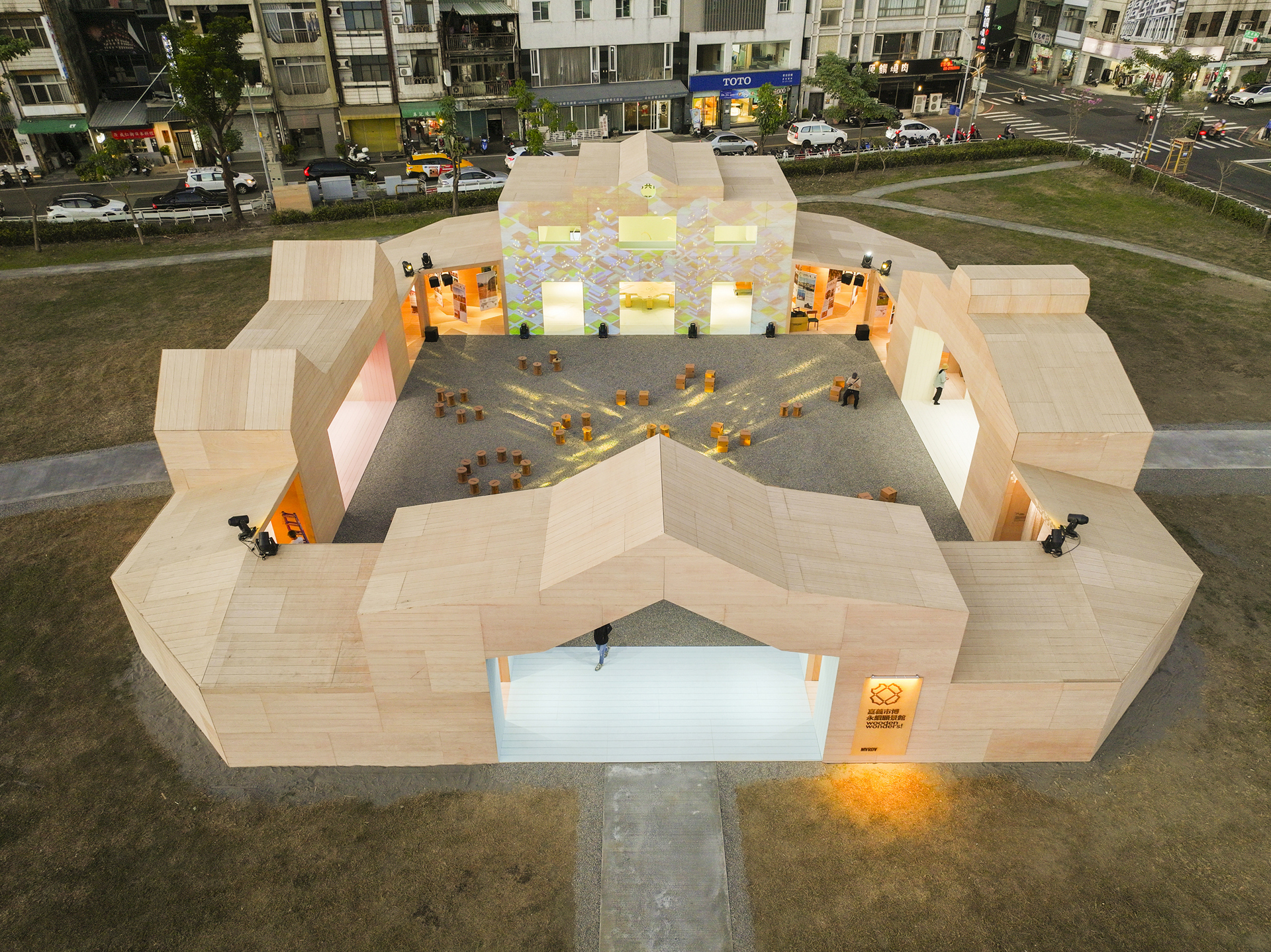
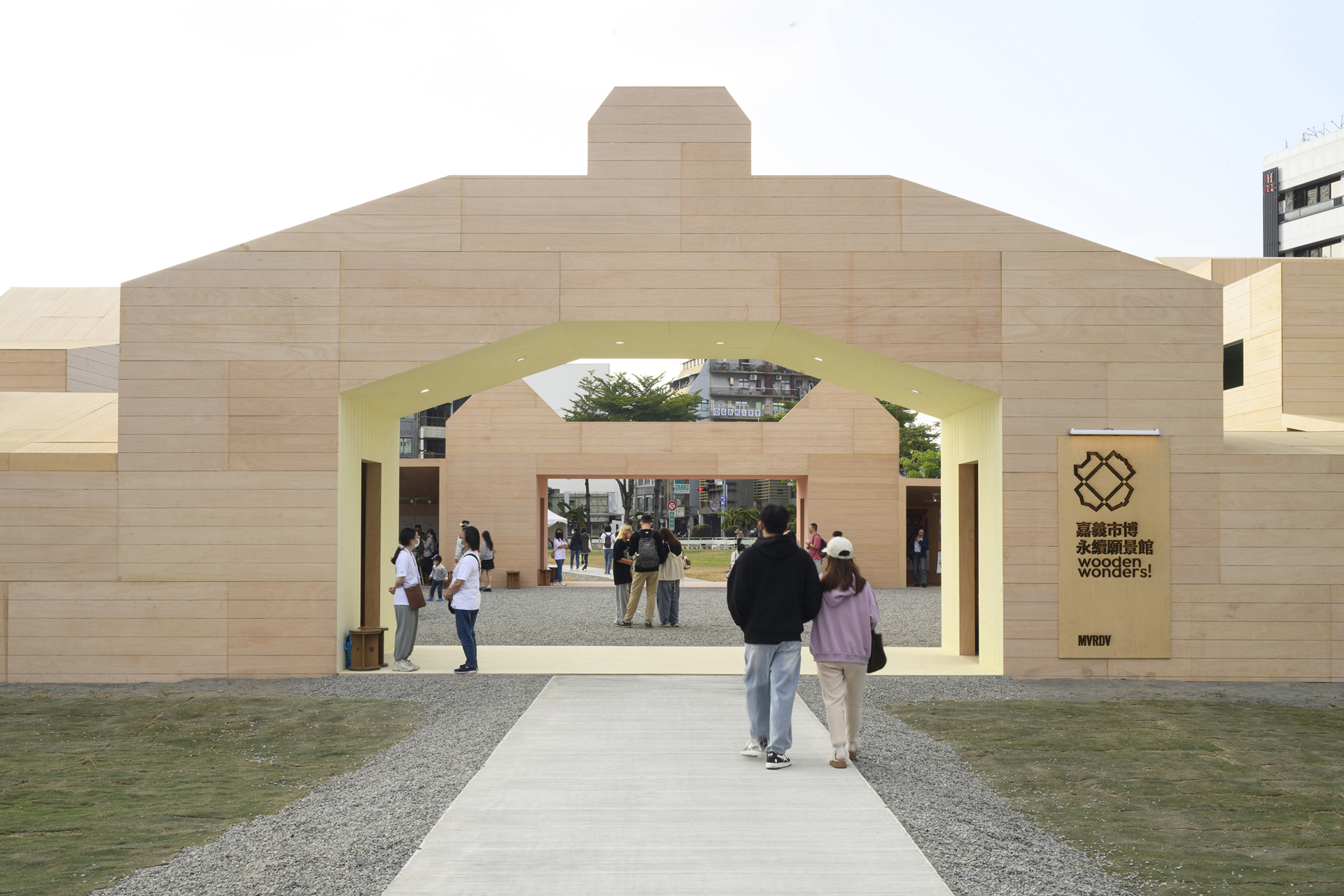
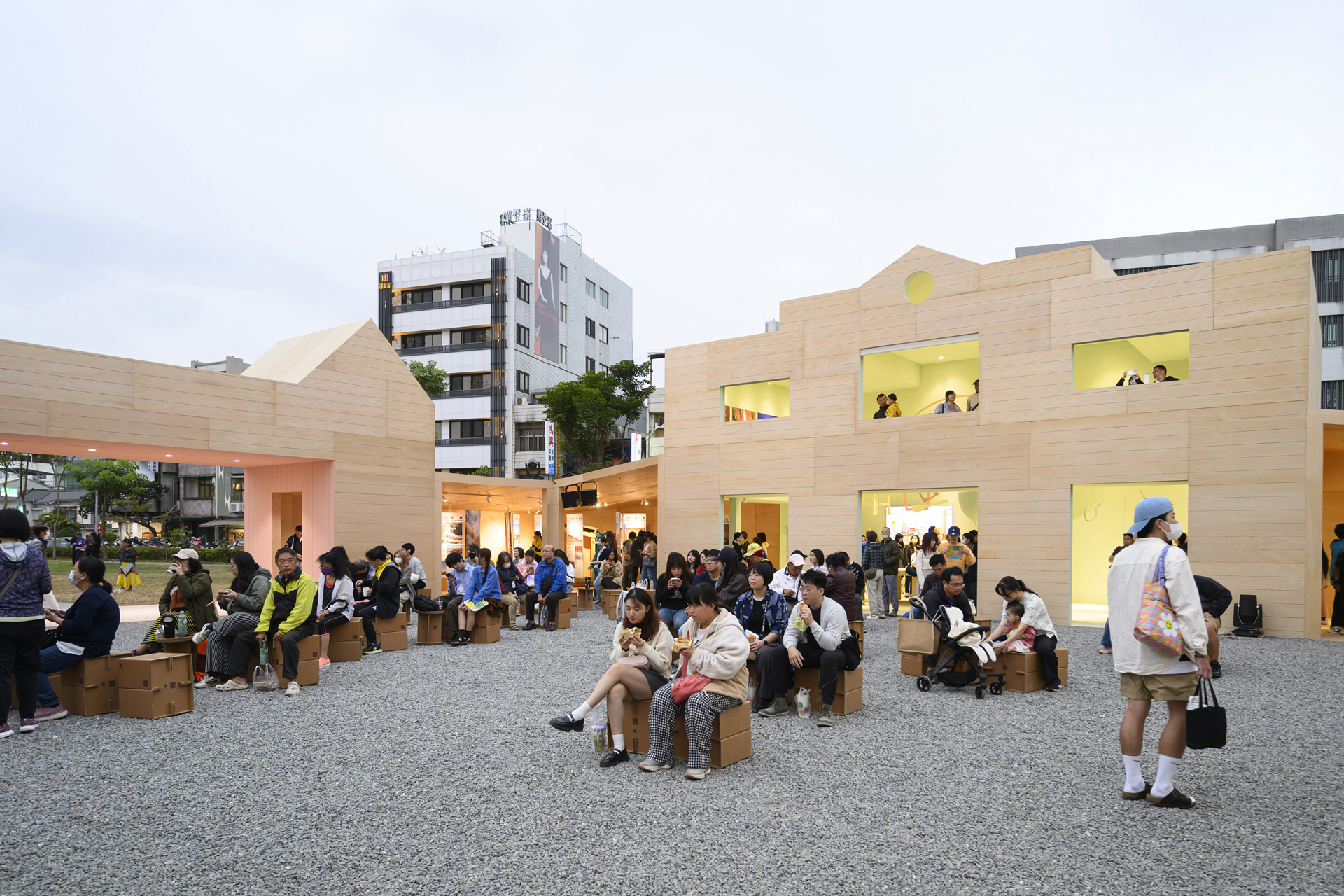
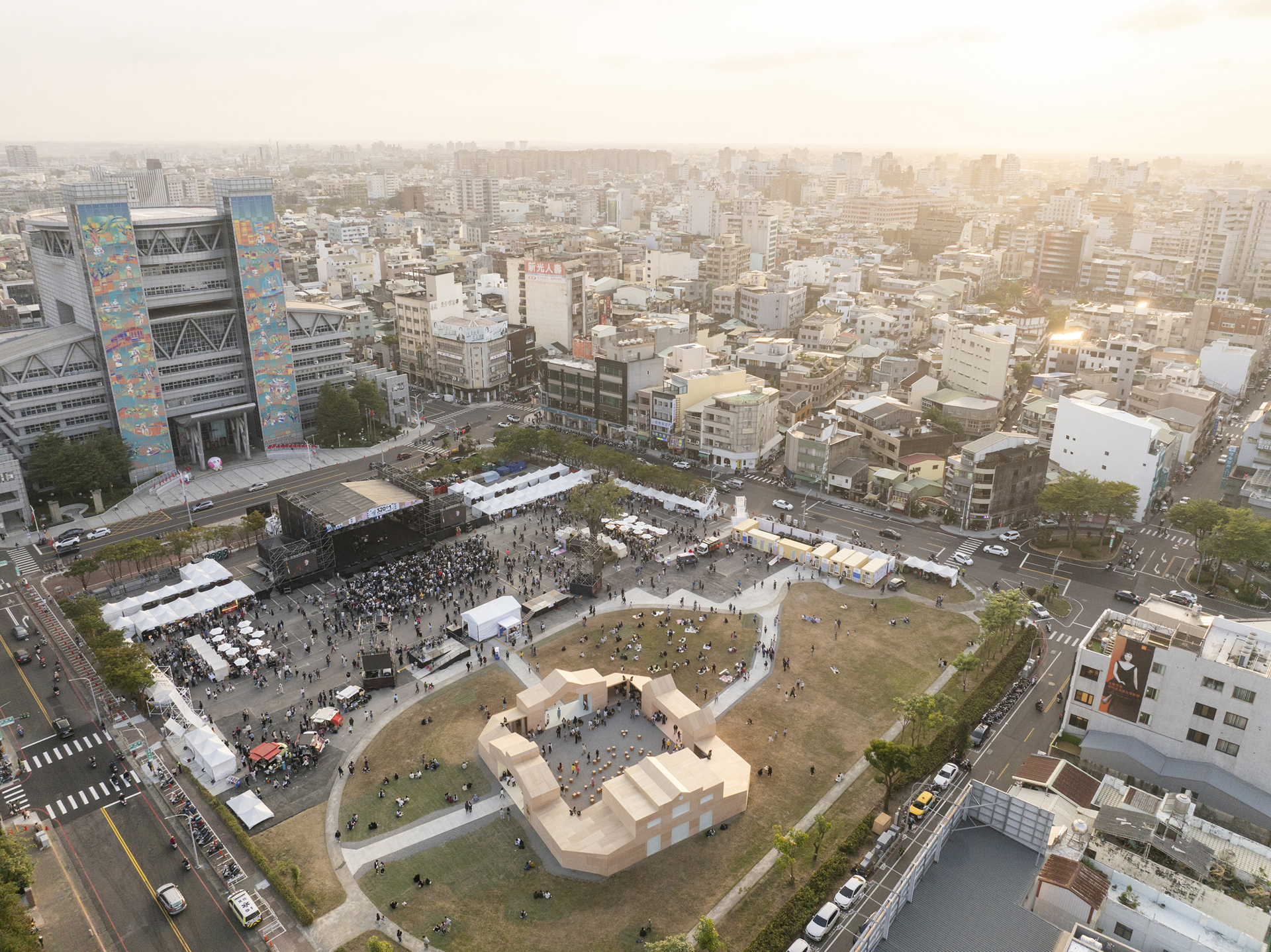
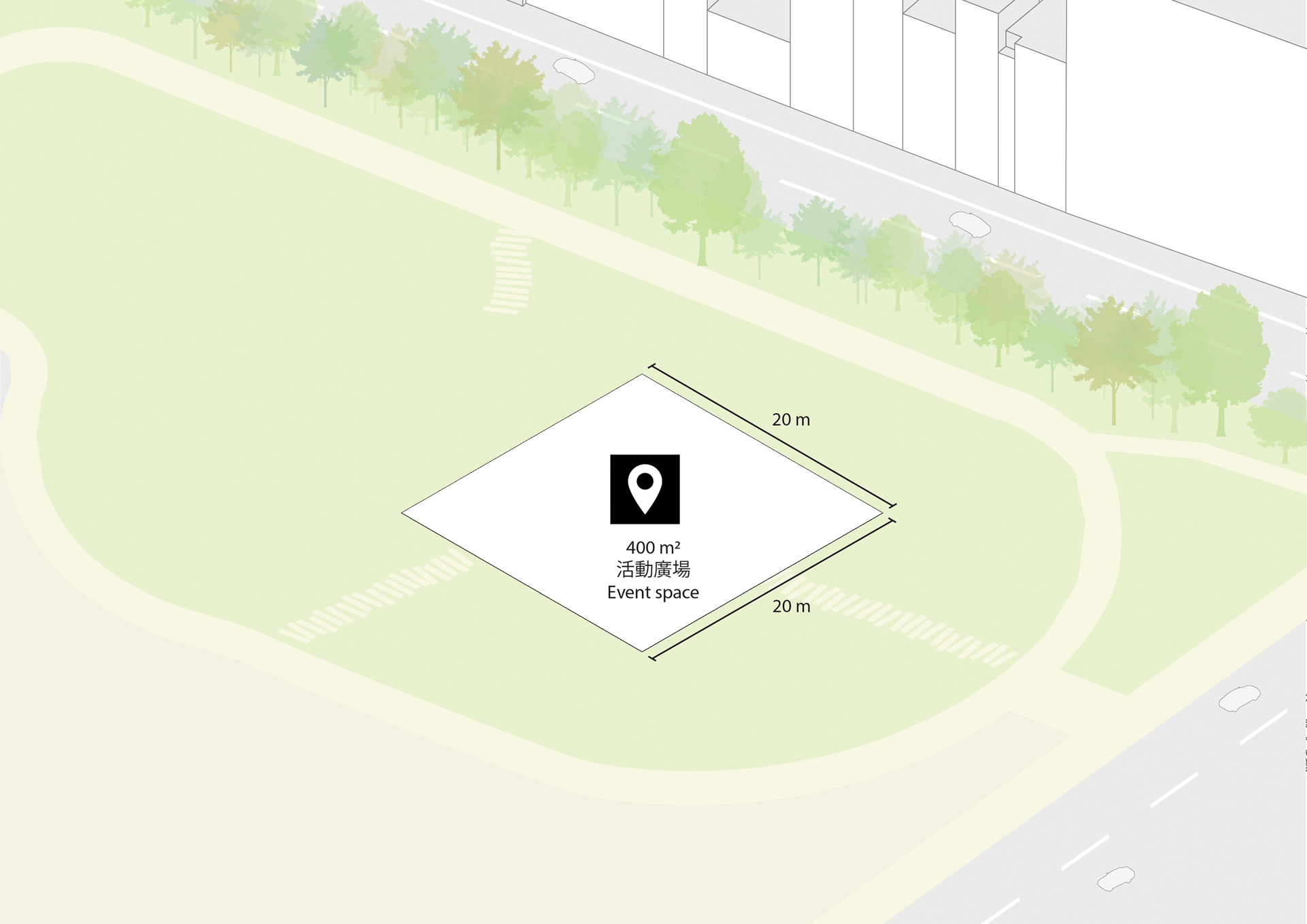
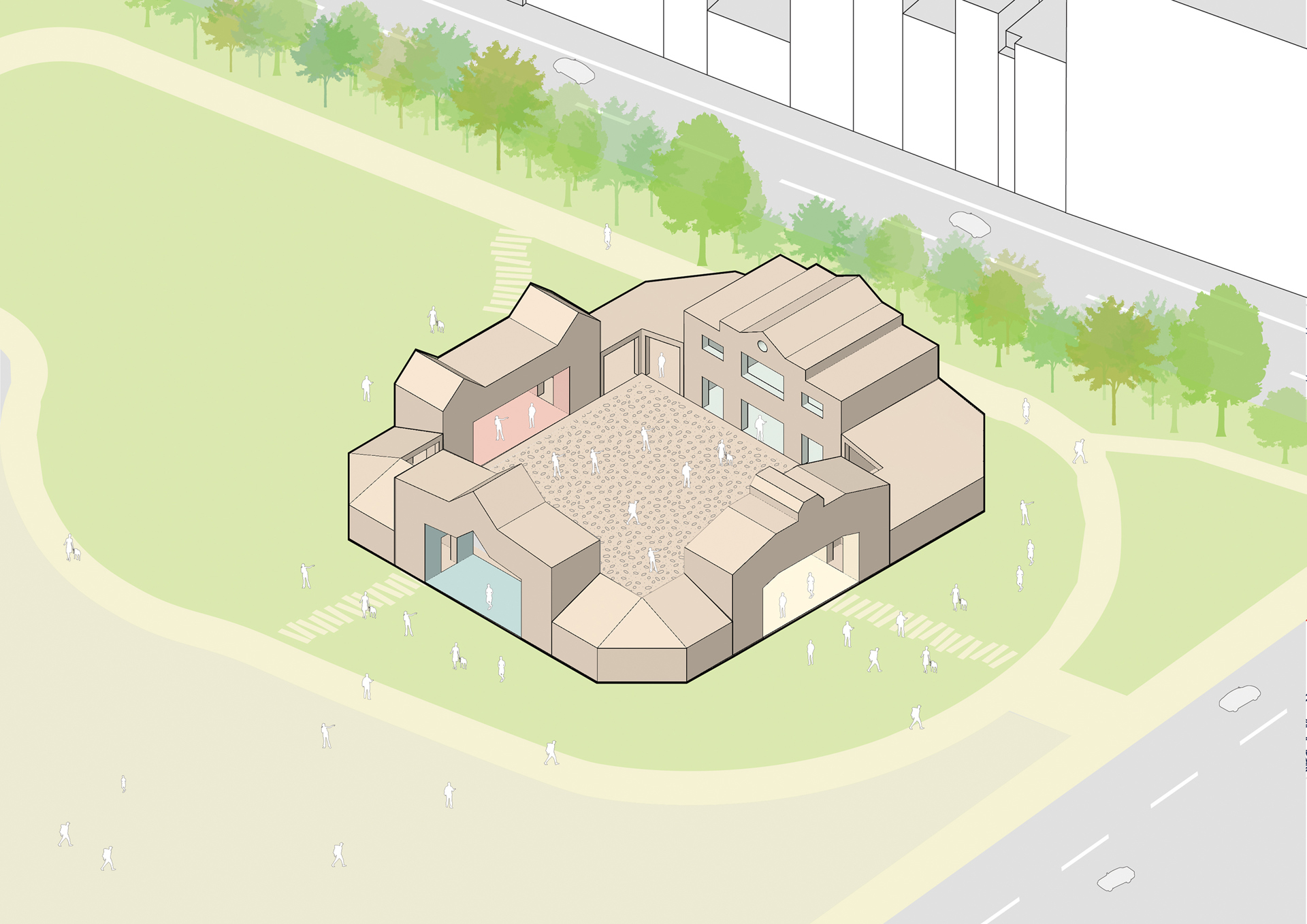
As part of Chiayi’s 321st anniversary celebrations, the municipality invited MVRDV to develop a pavilion and exhibition that explores the city’s relationship with wood, from celebrating the area’s natural forests to showcasing the possibilities of modern timber construction. Located across from Chiayi’s city hall, the Wooden Wonders pavilion encloses a square courtyard, with the shape of its perimeter structure informed by deep research into the city’s timber construction heritage.
- Location
- Chiayi, Taiwan
- Status
- Realised
- Year
- 2025–2025
- Surface
- 780 m²
- Client
- Chiayi City Government
- Programmes
- Pavilion, Temporary, Exhibition
- Themes
- Public, Sustainability
Awards

2026BIG SEE Architecture Awards
Grand Prix winner
Thanks to its position near to the dense forests of Taiwan’s mountainous heart, the timber industry was crucial to Chiayi’s historical development, and the city produced a range of wooden products, from toys and furniture to buildings. Today, the forests that once enabled this industry are now protected, and the knowledge and skills that created this culture have been forgotten by many of the residents. Yet there are still over 6,000 timber buildings remaining in the city – a heritage which the city government has recently started to recognise, protect, and restore.
In the context of Taiwan – where many people see timber as a less reputable or reliable construction material, and seismic regulations make the transformation of existing buildings rare – the pavilion’s focus on sustainability and heritage preservation takes a bold stance.
“The story of timber construction in Chiayi really mirrors how attitudes to timber have changed globally”, says MVRDV founding partner Jacob van Rijs. “Once a pragmatic and widely available construction material, timber became ‘old-fashioned’ when materials such as concrete and steel became cheaper and more efficient. Yet nowadays, the climate crisis forces us to look from a different angle: wood stores carbon, while concrete and steel release huge quantities of it into the atmosphere; meanwhile decades of research and innovation have made modern buildings increasingly viable with engineered timber techniques. Now is a perfect moment to talk about timber again.”
News
.jpg?width=900&height=500&quality=75&mode=crop&scale=both)

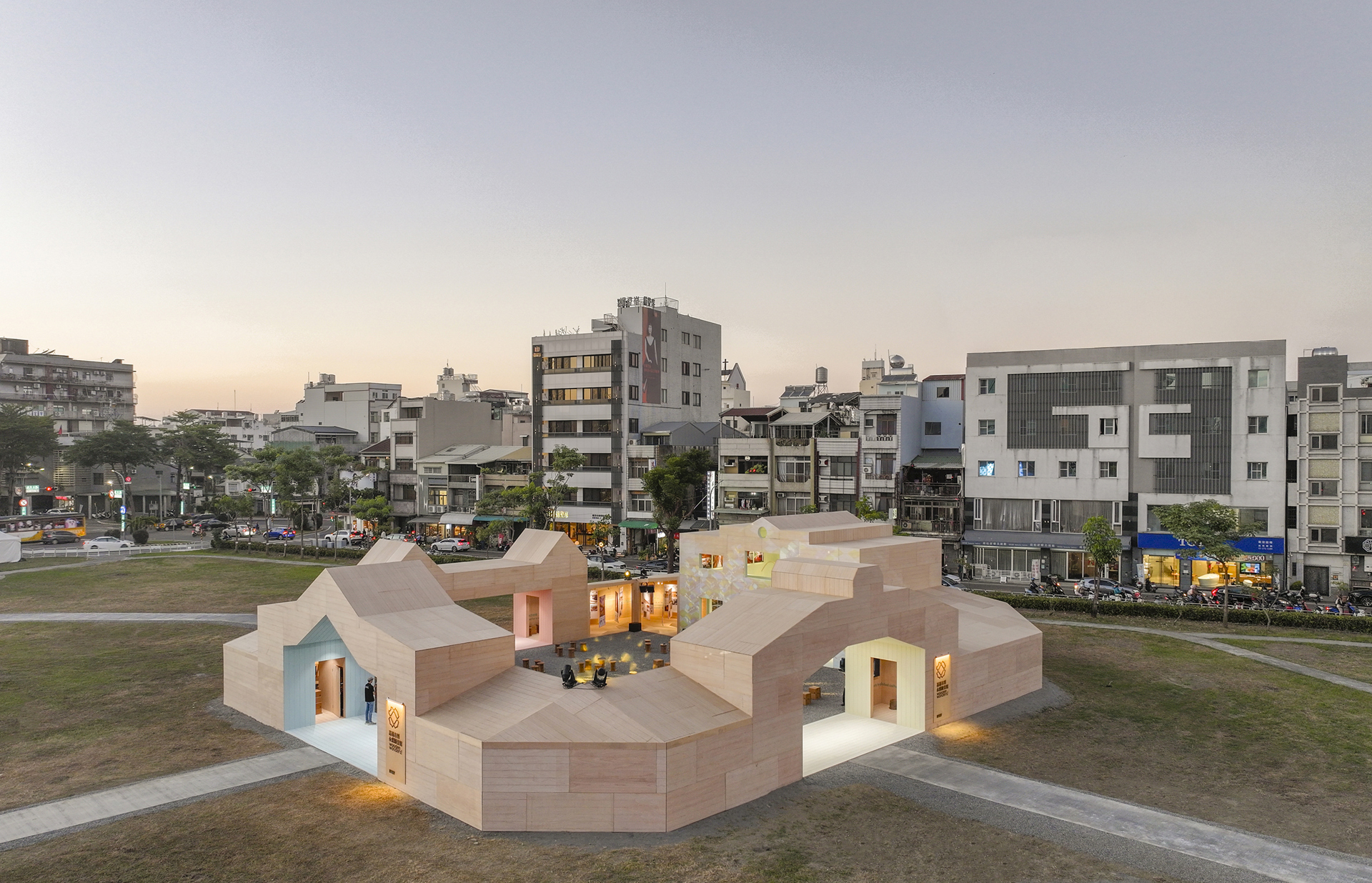
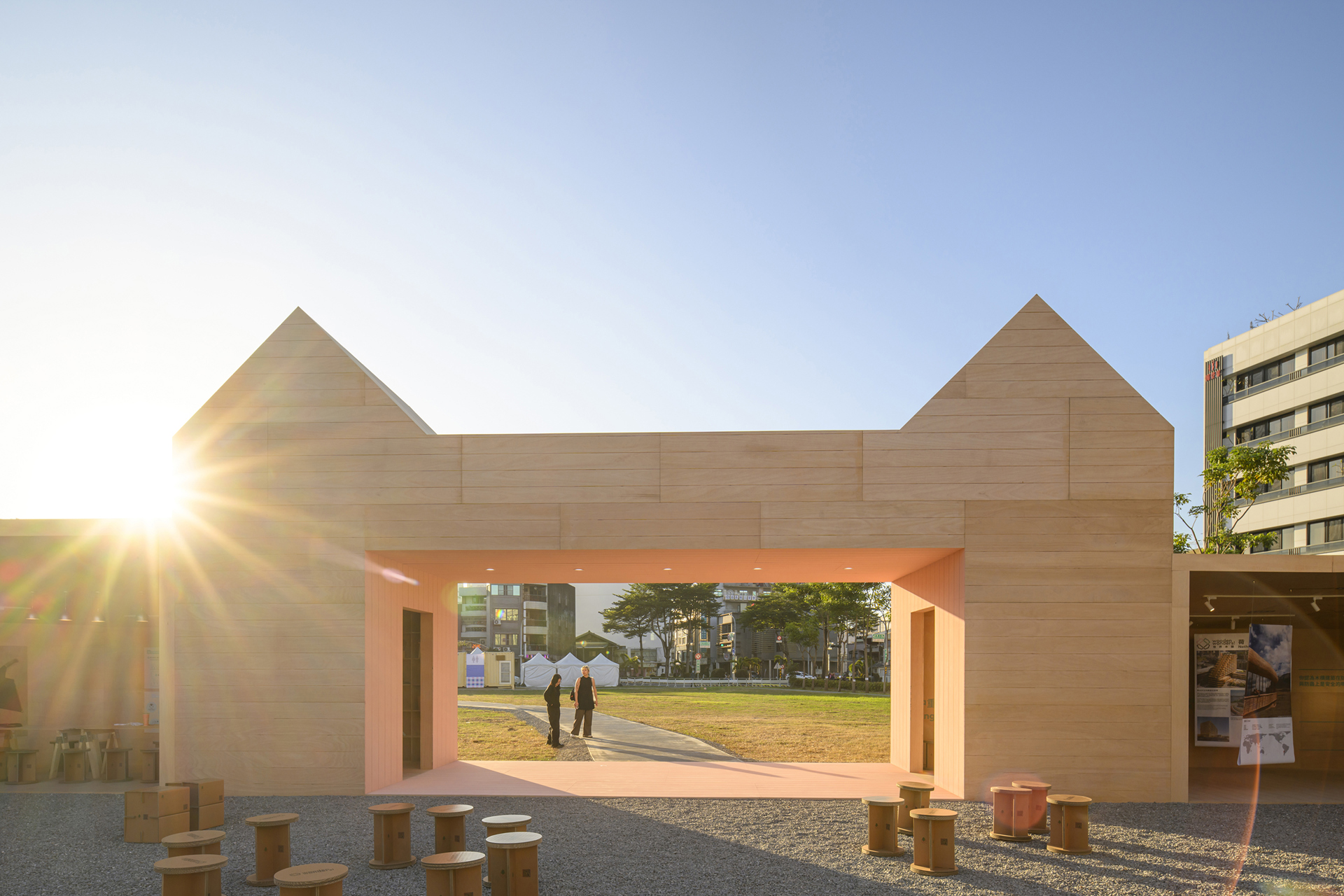
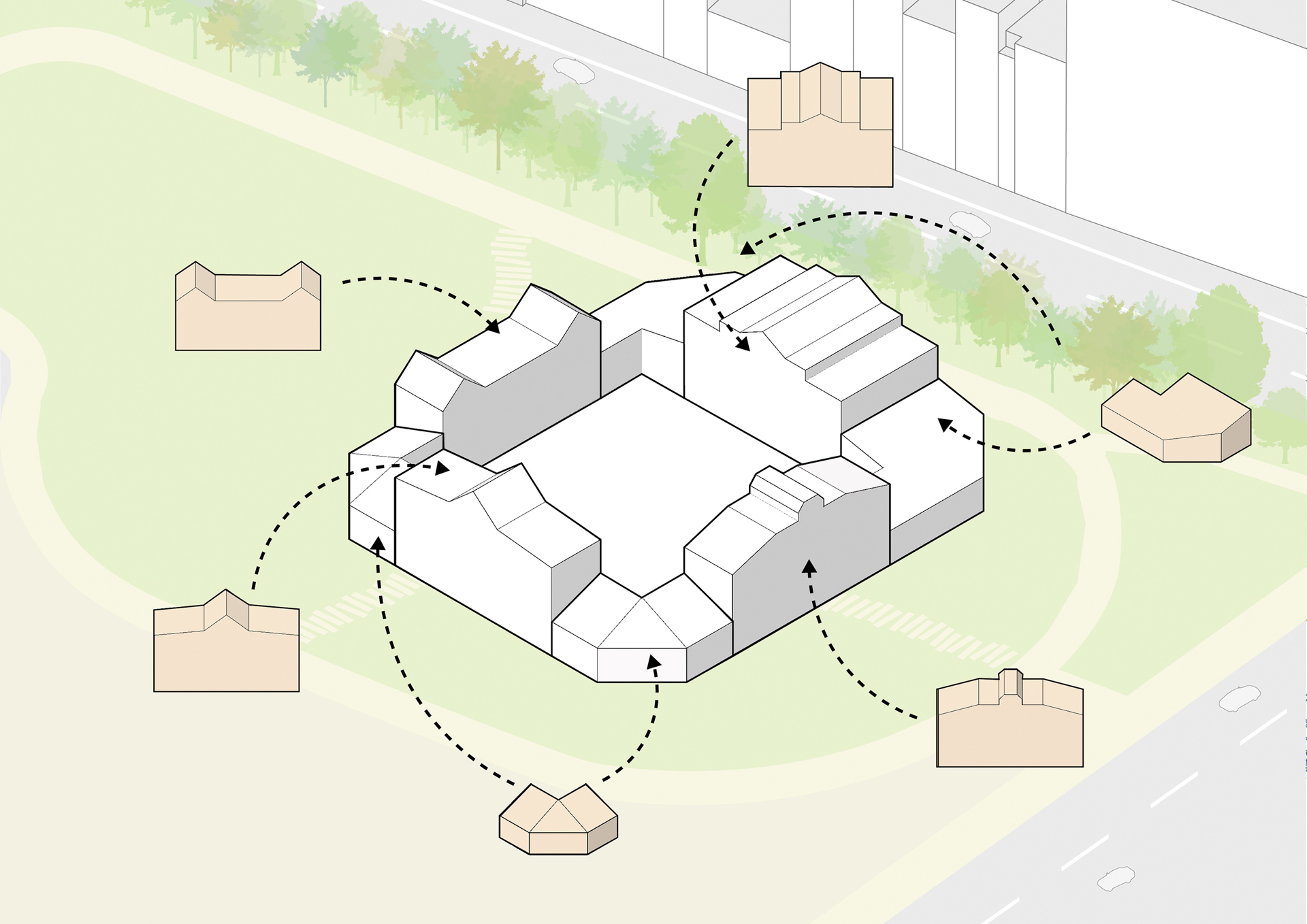
For the design of the pavilion, MVRDV began with an architectural study of the existing timber buildings of Chiayi. What they found was an eclectic mix: timber buildings were represented in a wide variety of time periods and styles; nevertheless, the design team did identify a number of common features that distinguished Chiayi’s timber architecture, such as diagonal cuts to emphasise street corners, and elaborate rooflines resulting from ornamental crowns and decorative façade elements.
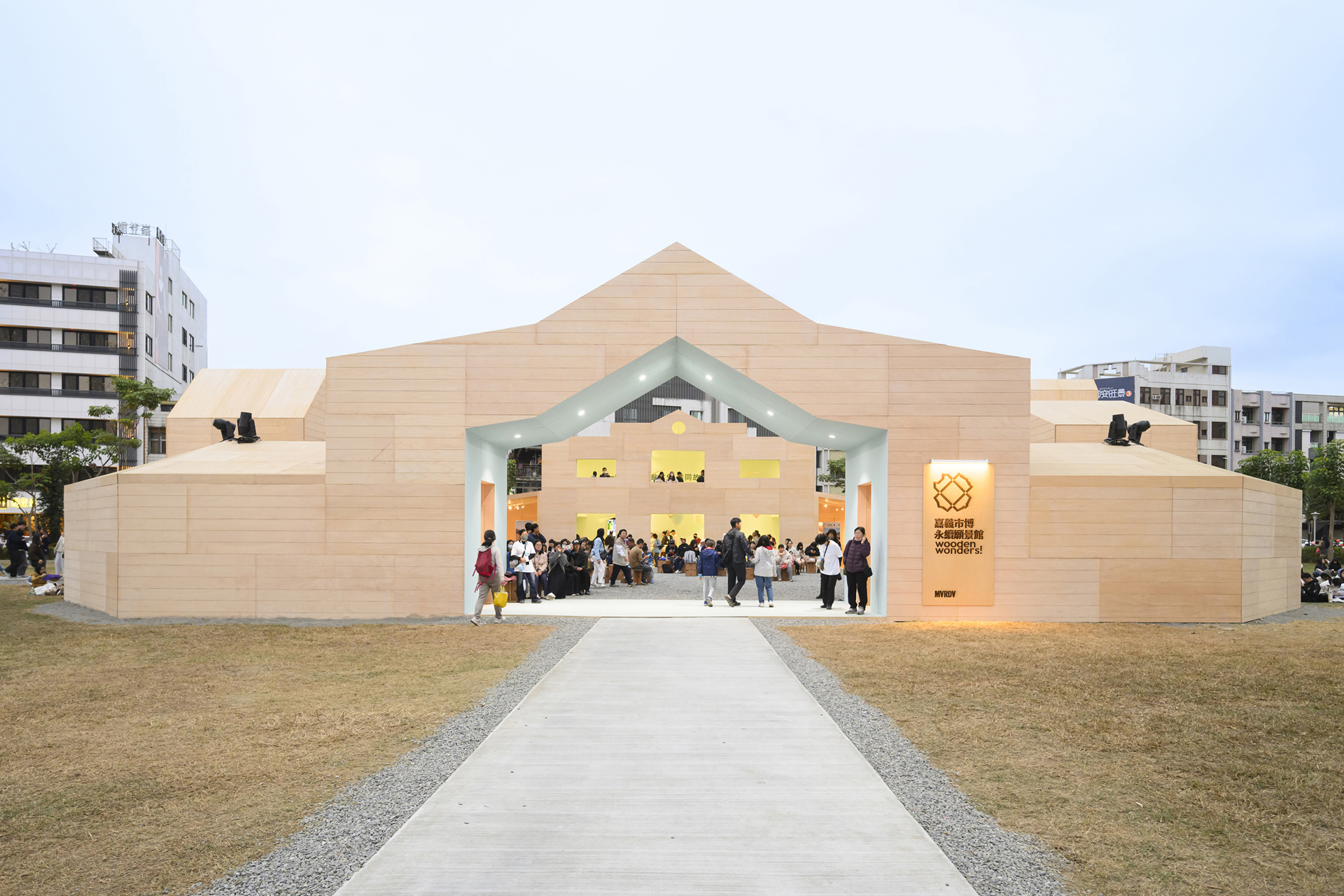
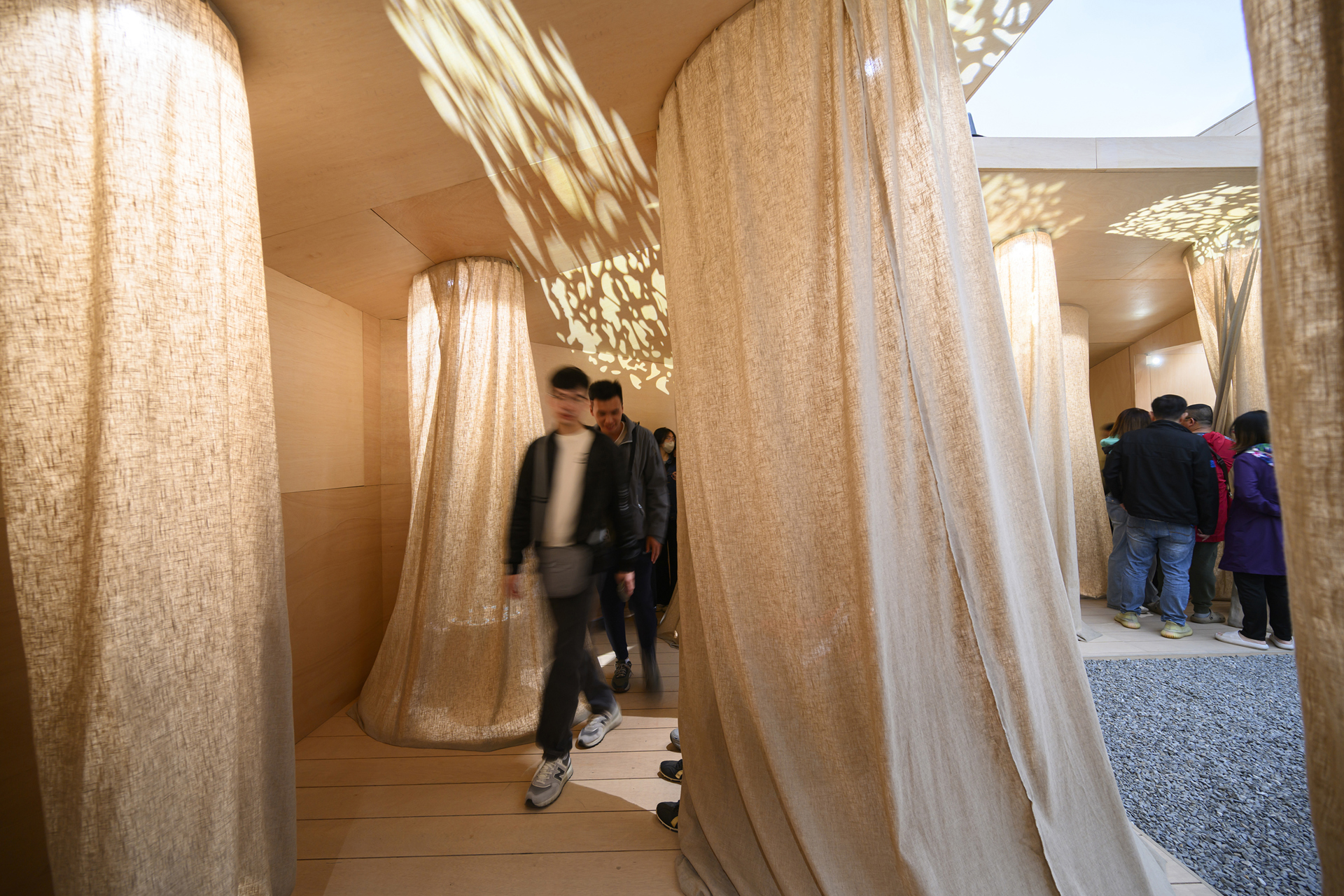
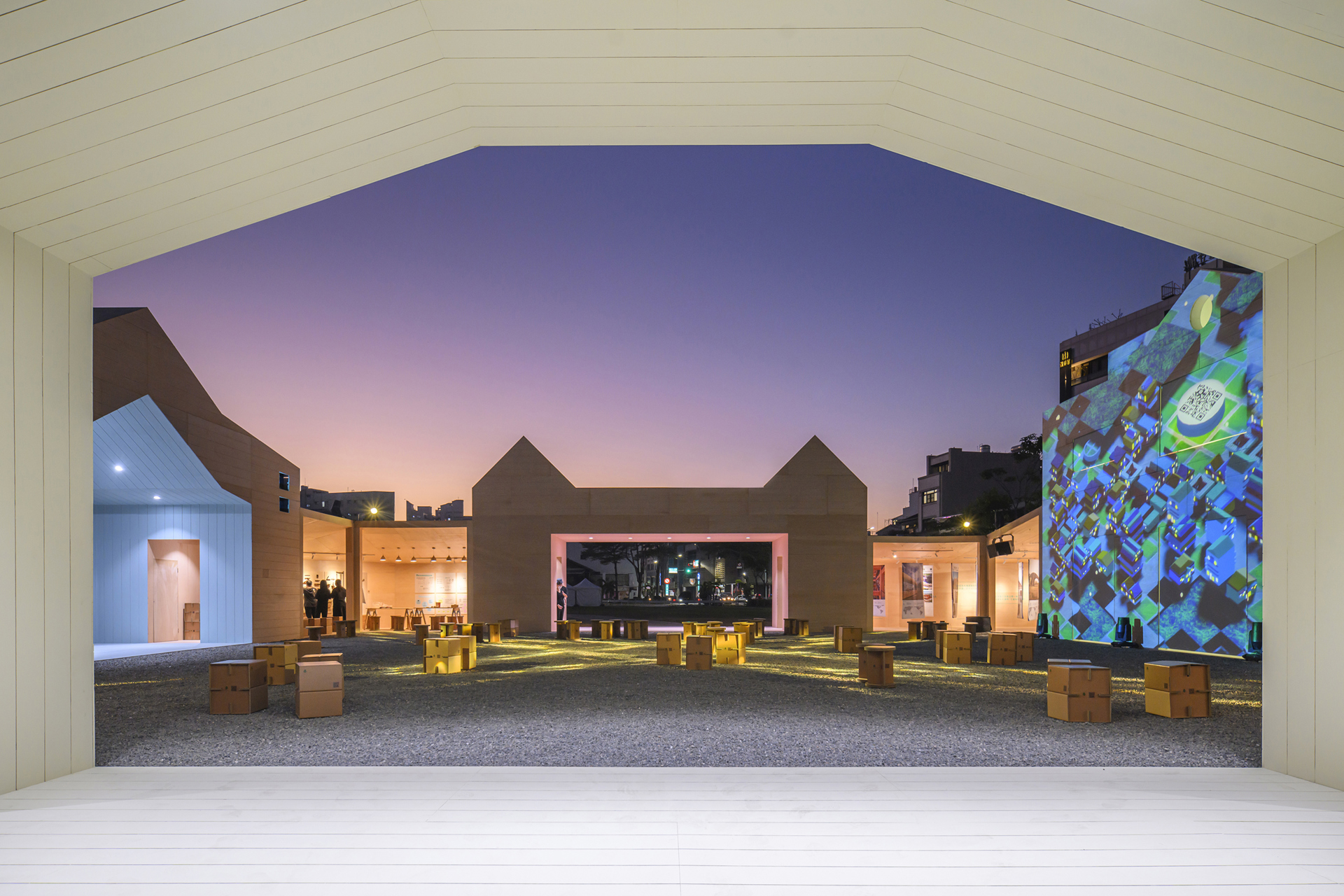
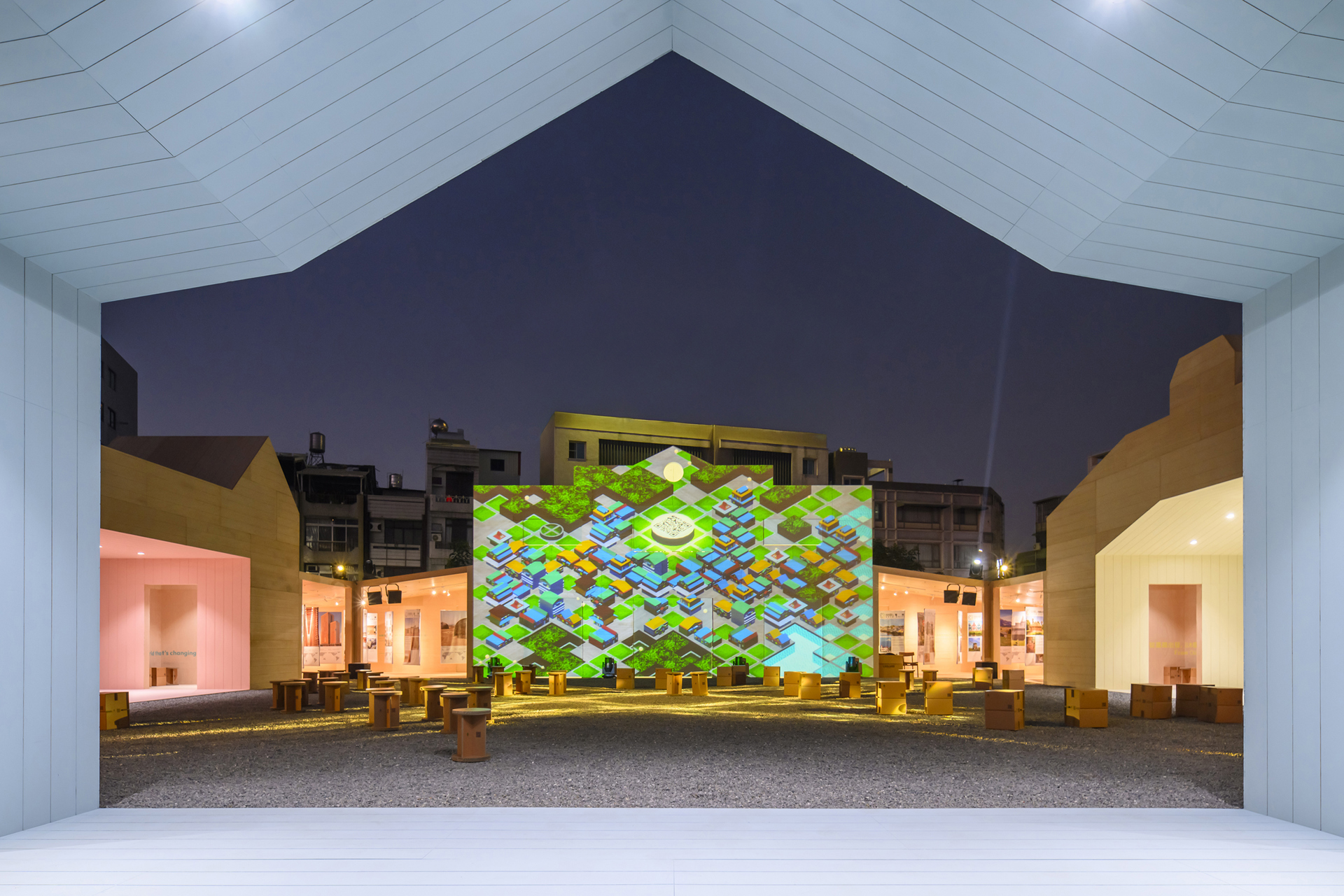
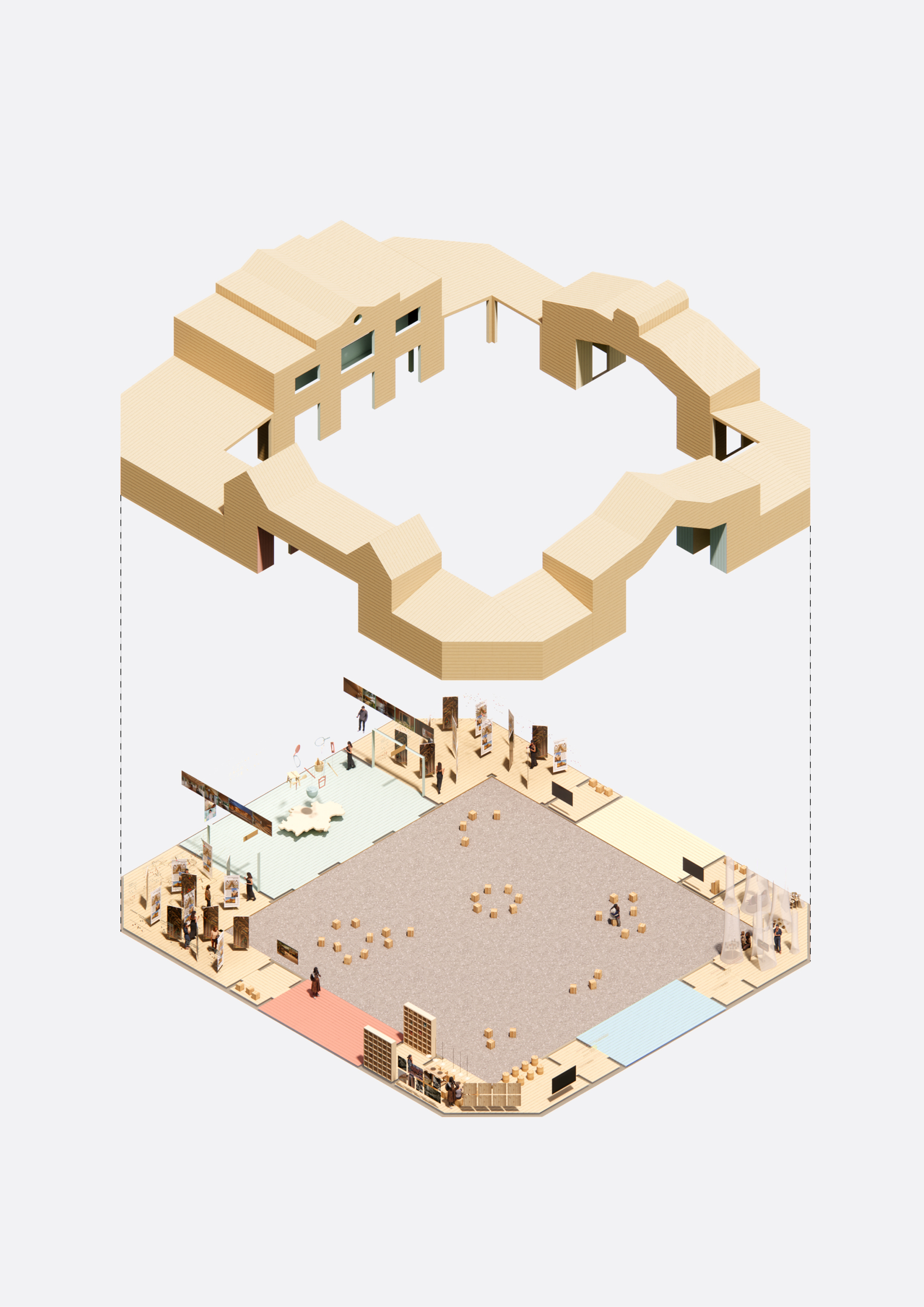
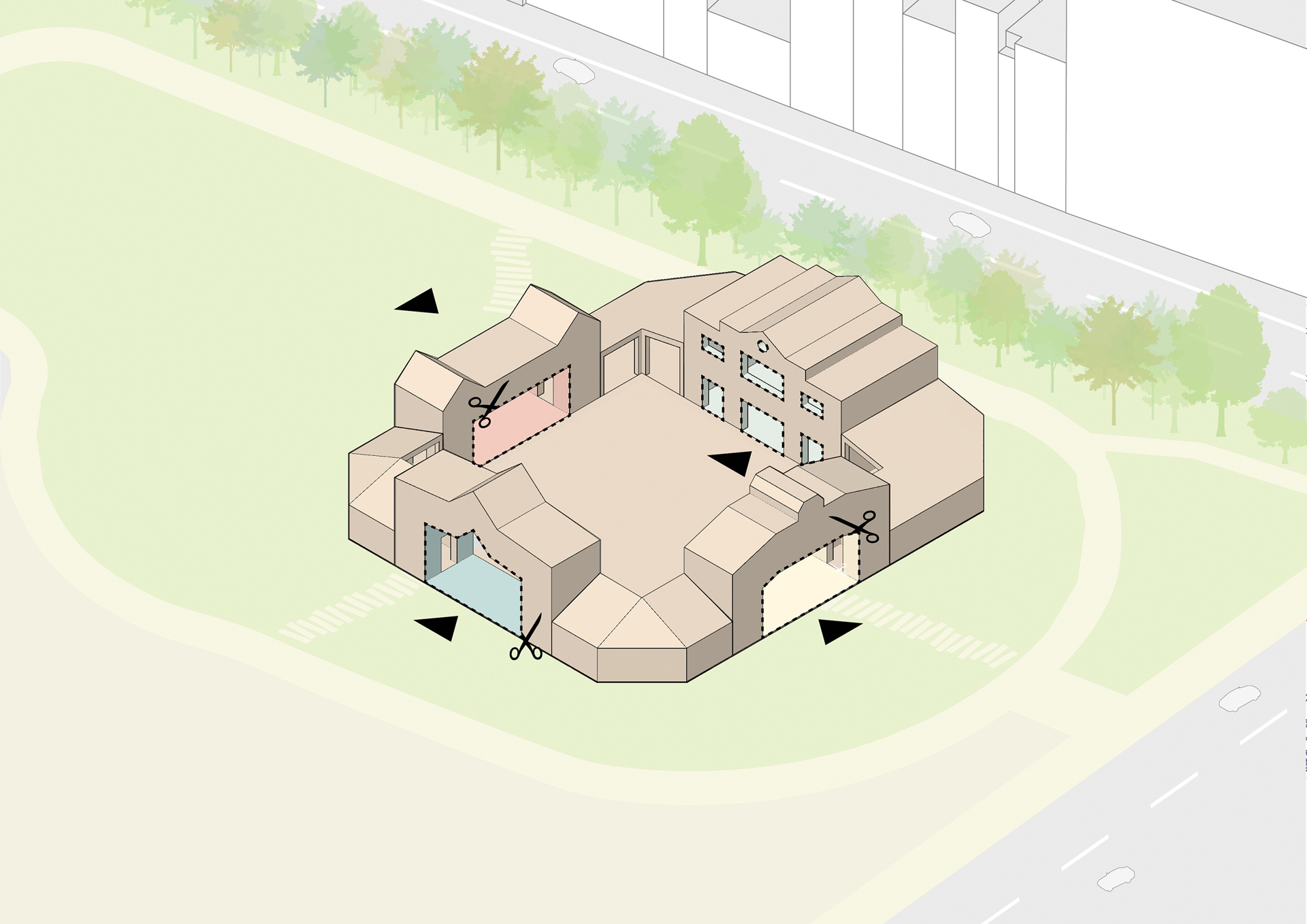
These elements are echoed in the pavilion design, with its four chamfered corners echoing the city’s corner cafés and restaurants, while each side of the pavilion is highlighted by a roofline inspired by notable wooden buildings such as a museum and police station. Three of these sides form gateways towards the courtyard, with the pastel colours of their interiors – a detail that also references the colours of the original buildings they represent – welcoming visitors into this urban living room.
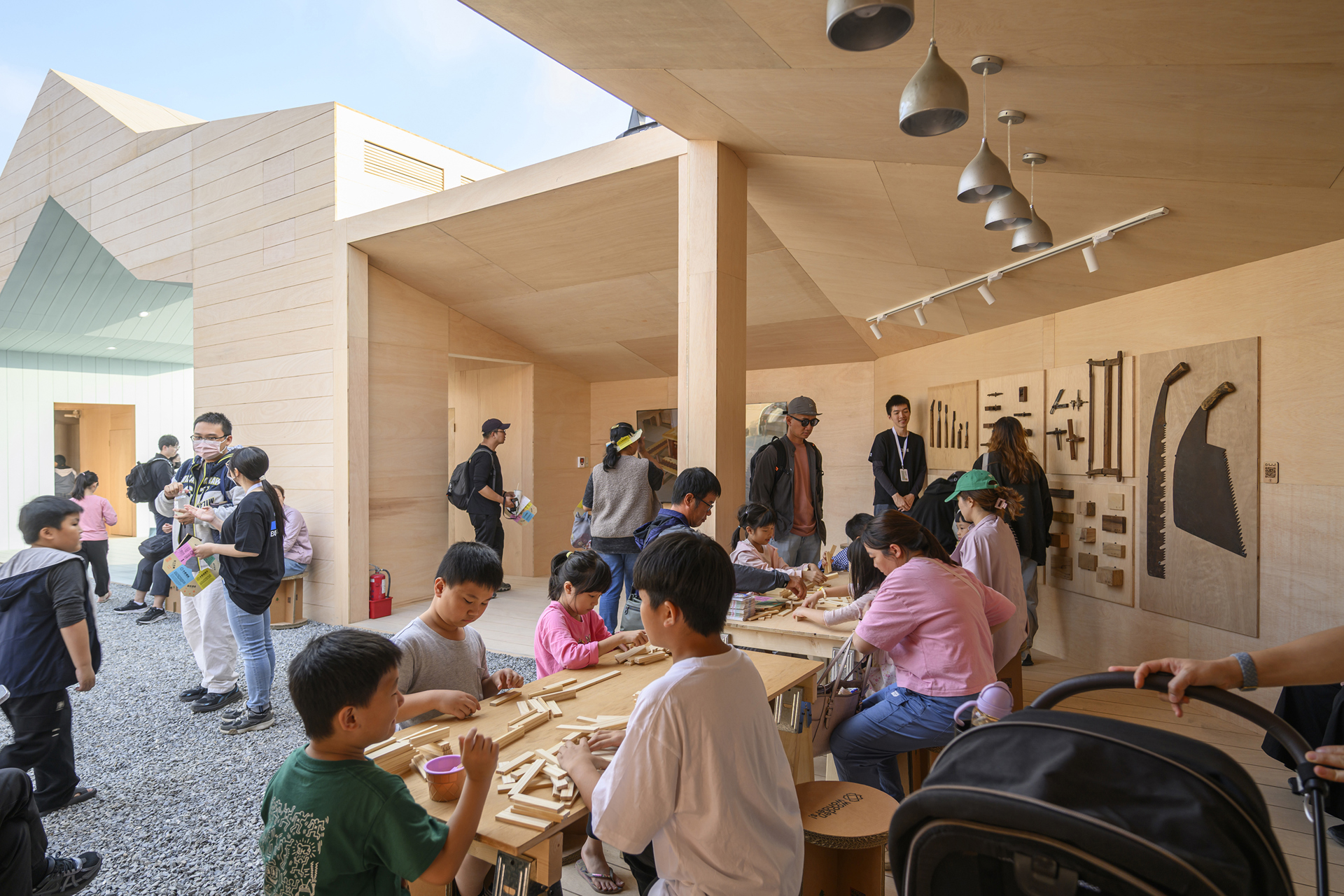
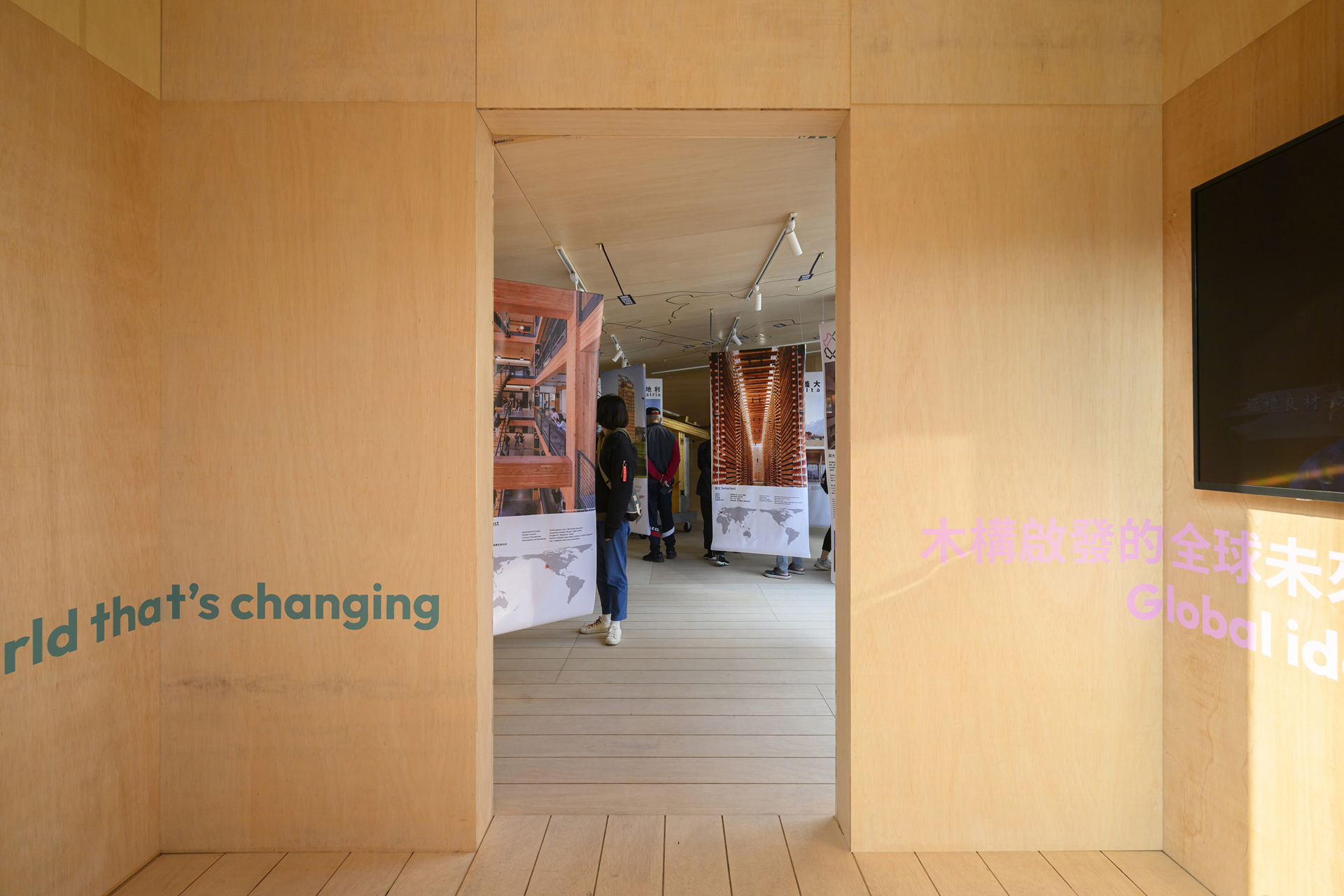
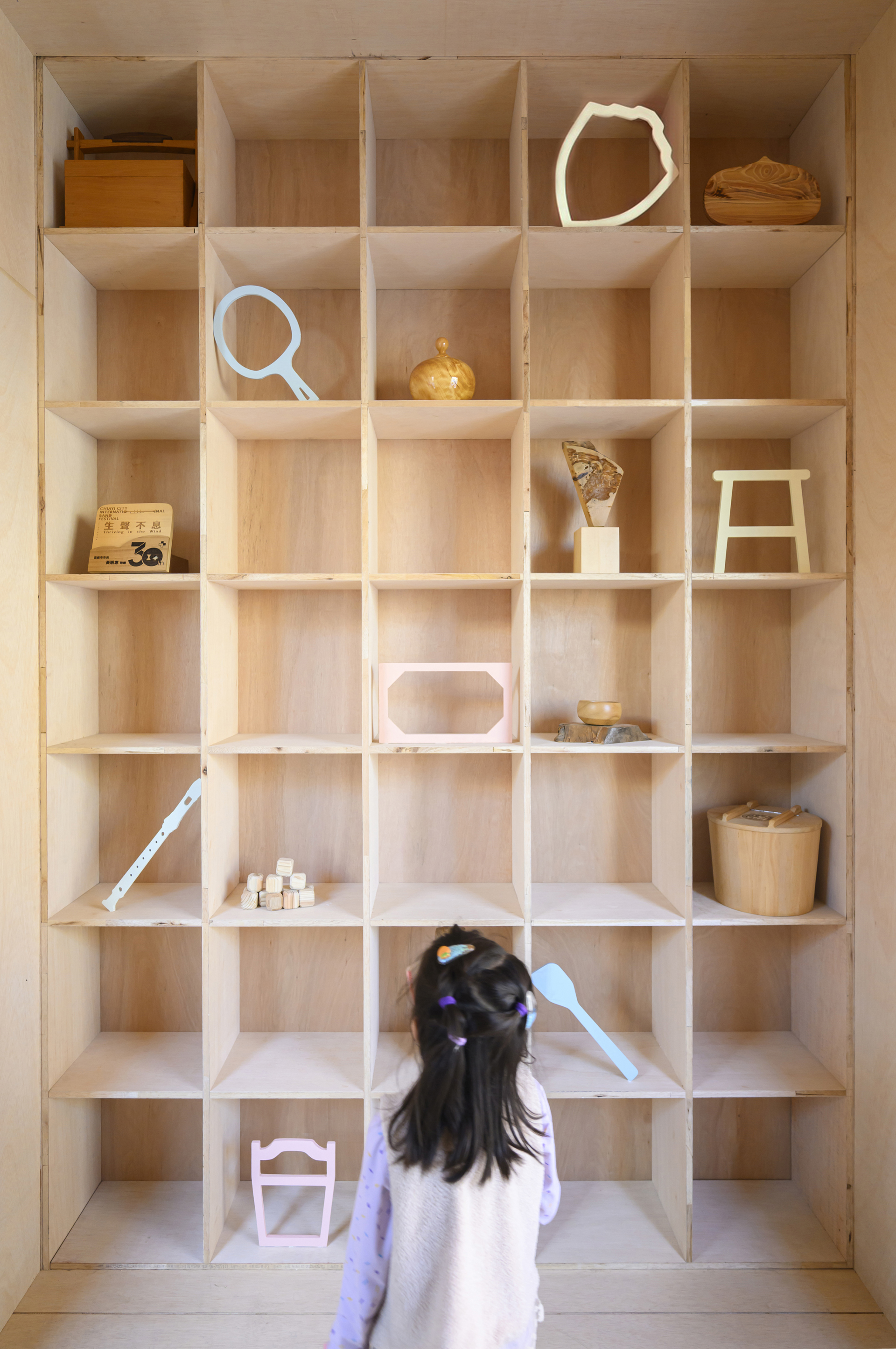
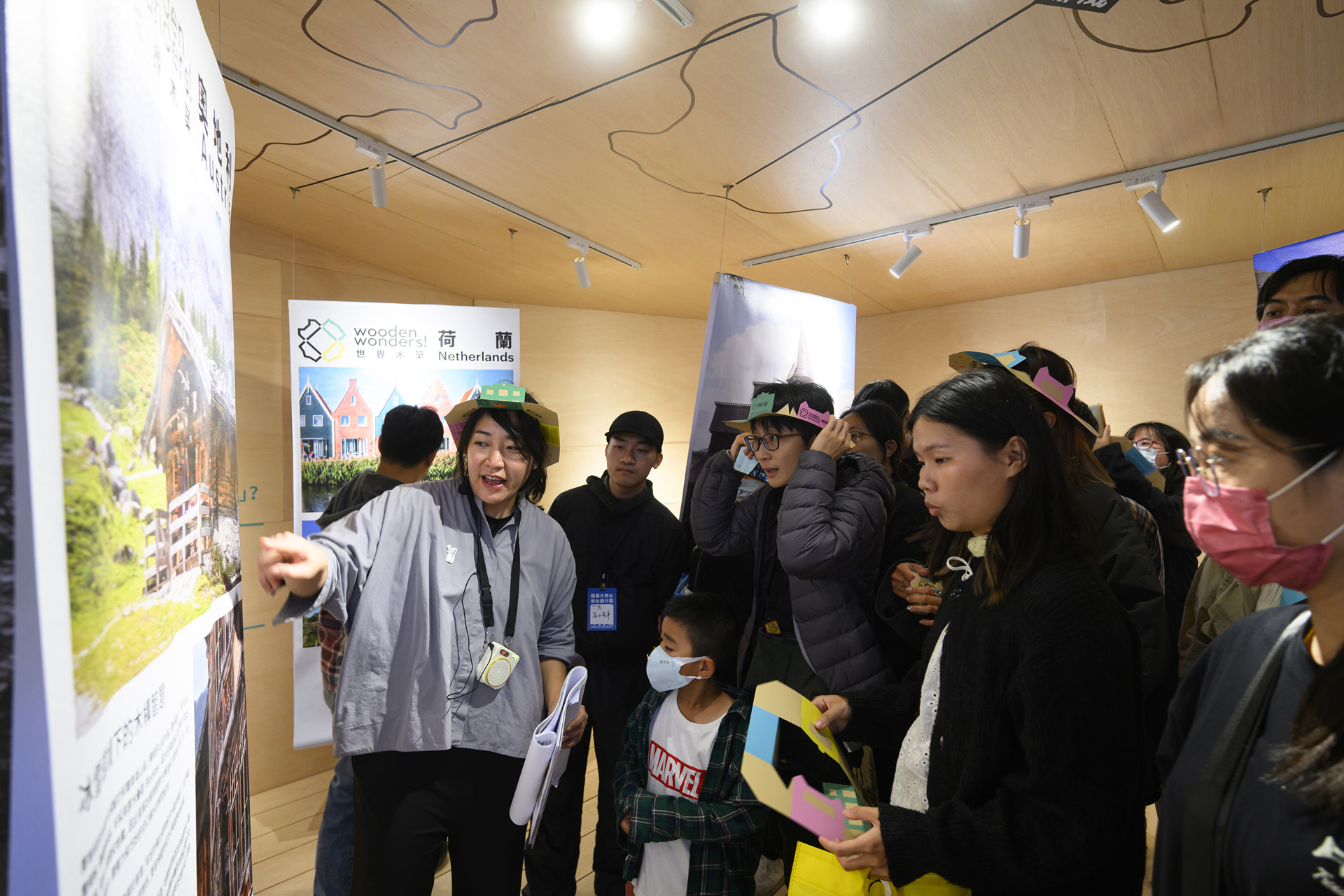
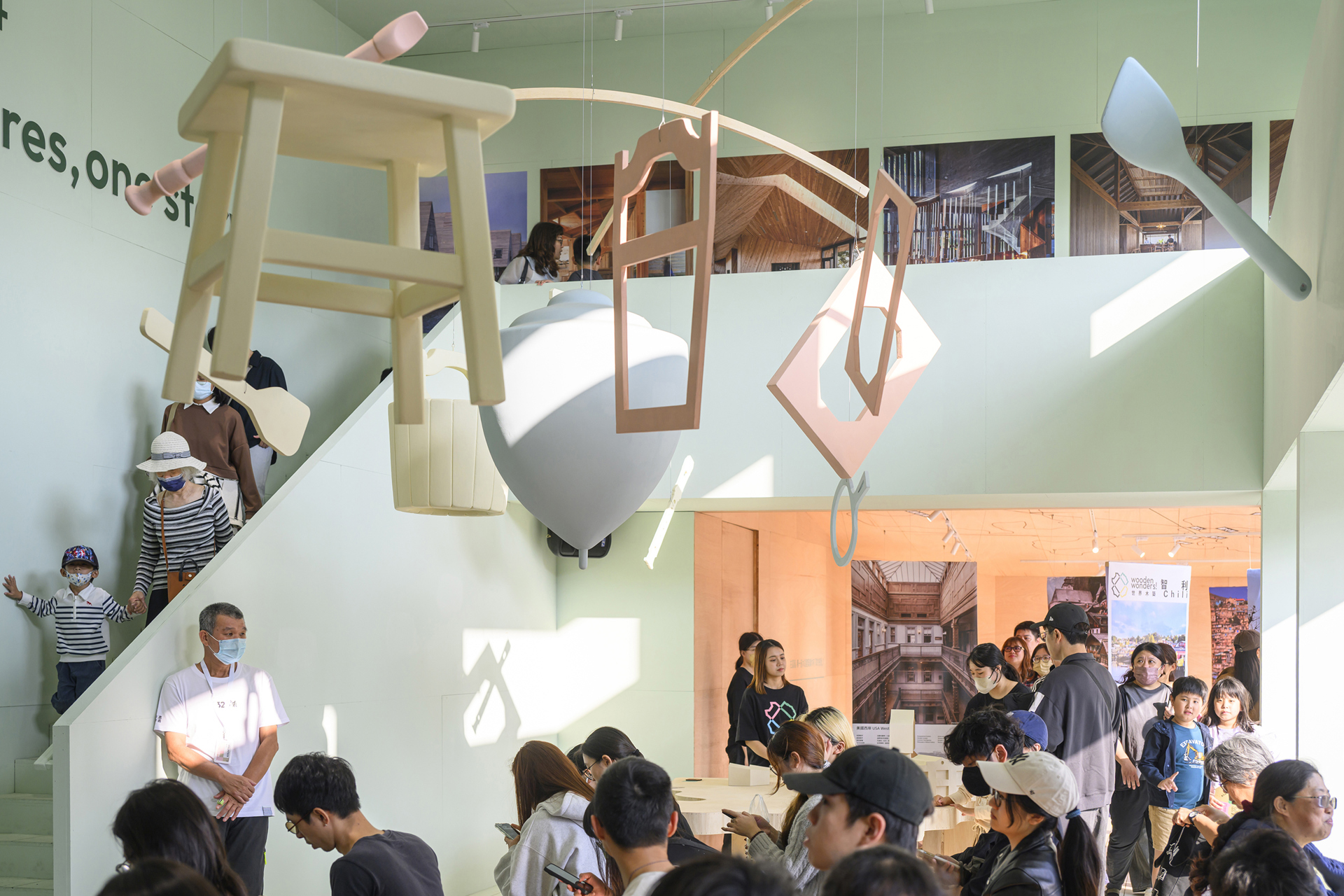
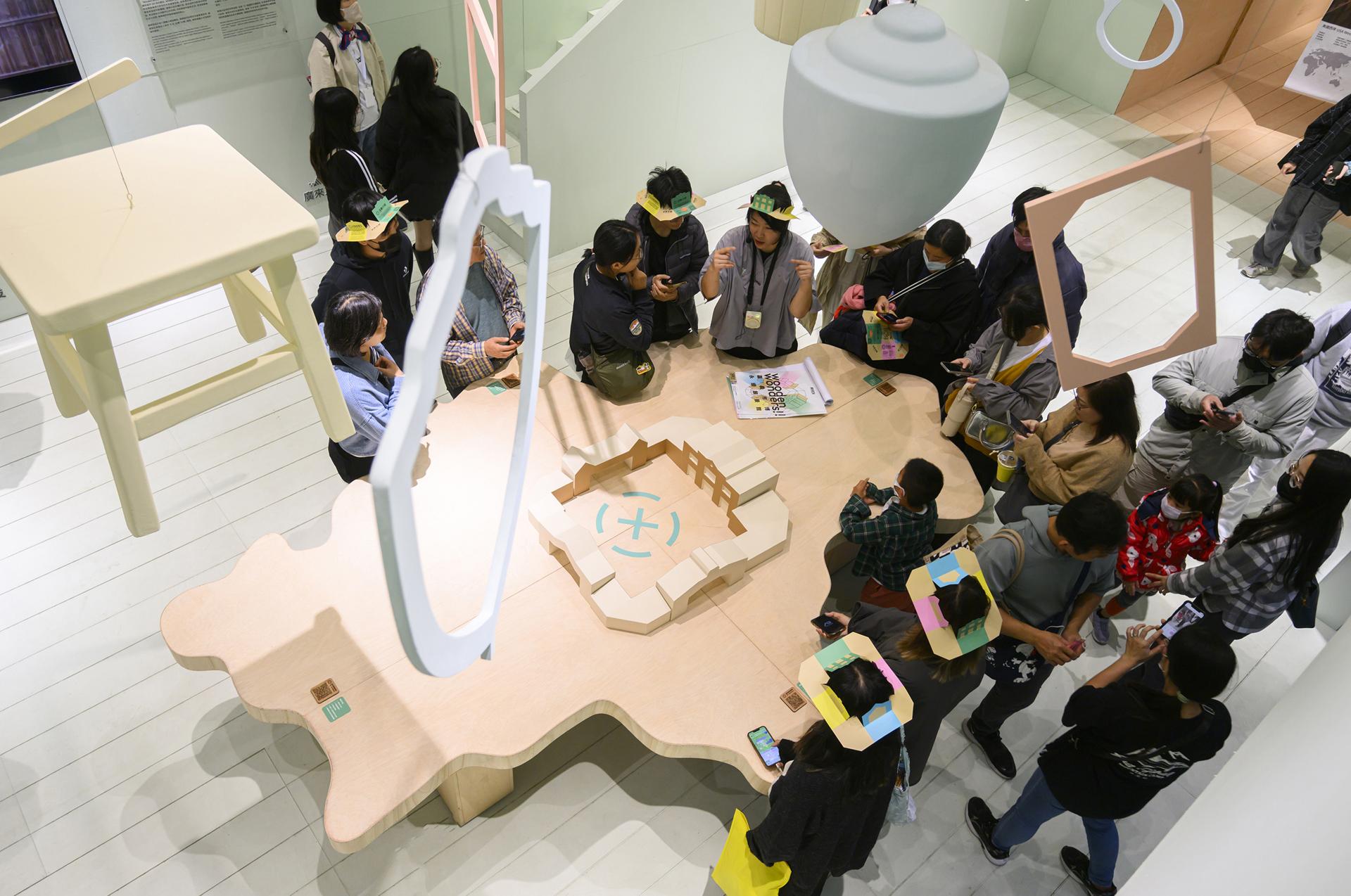
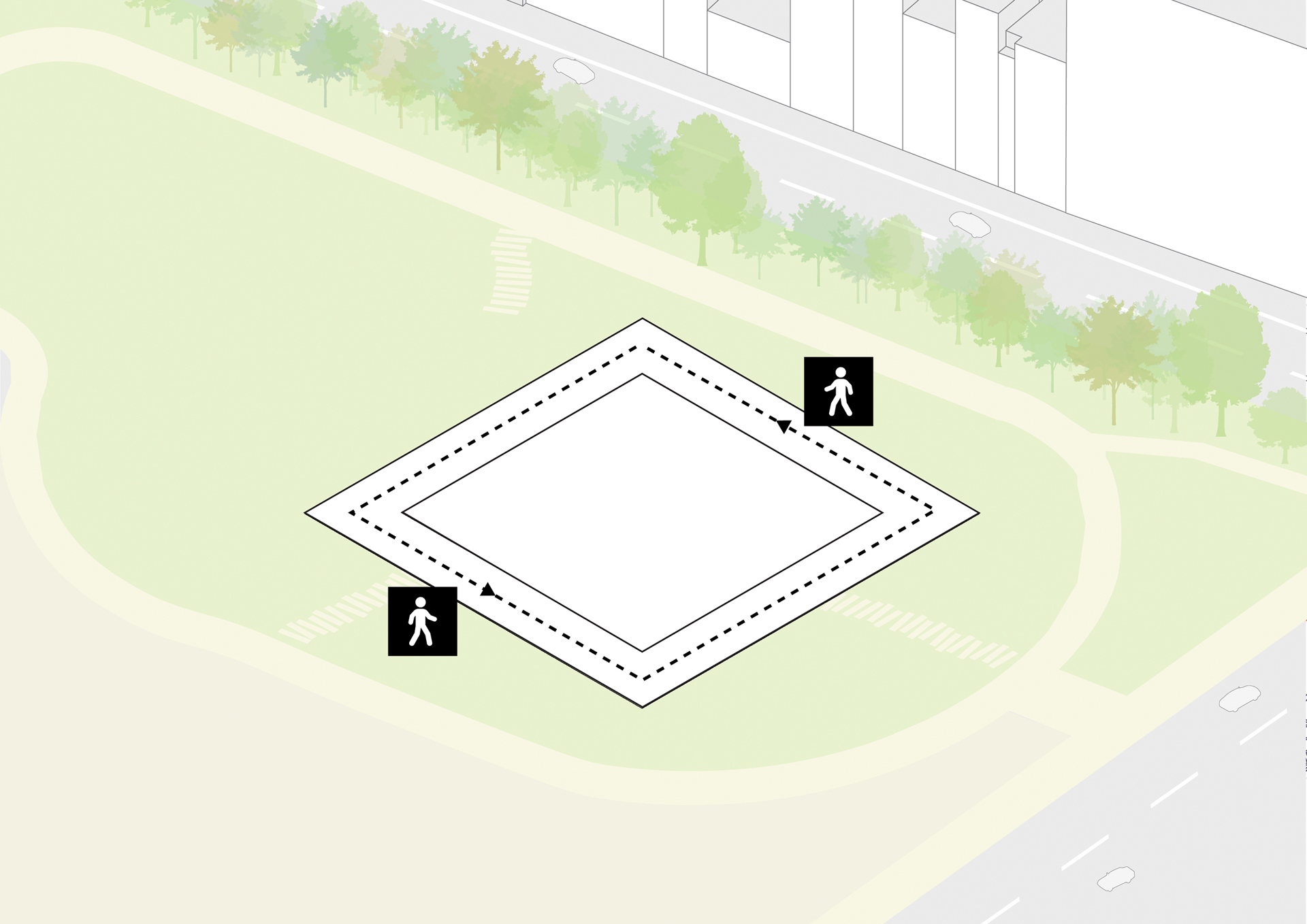
The exhibition occupies the perimeter space around this courtyard, split into five sections. One of these sections is dedicated to the forest, with showing how timber is grown and harvested in an exhibit that engages all five senses. A second is known as the workshop, celebrating the historic craftsmanship of Chiayi.
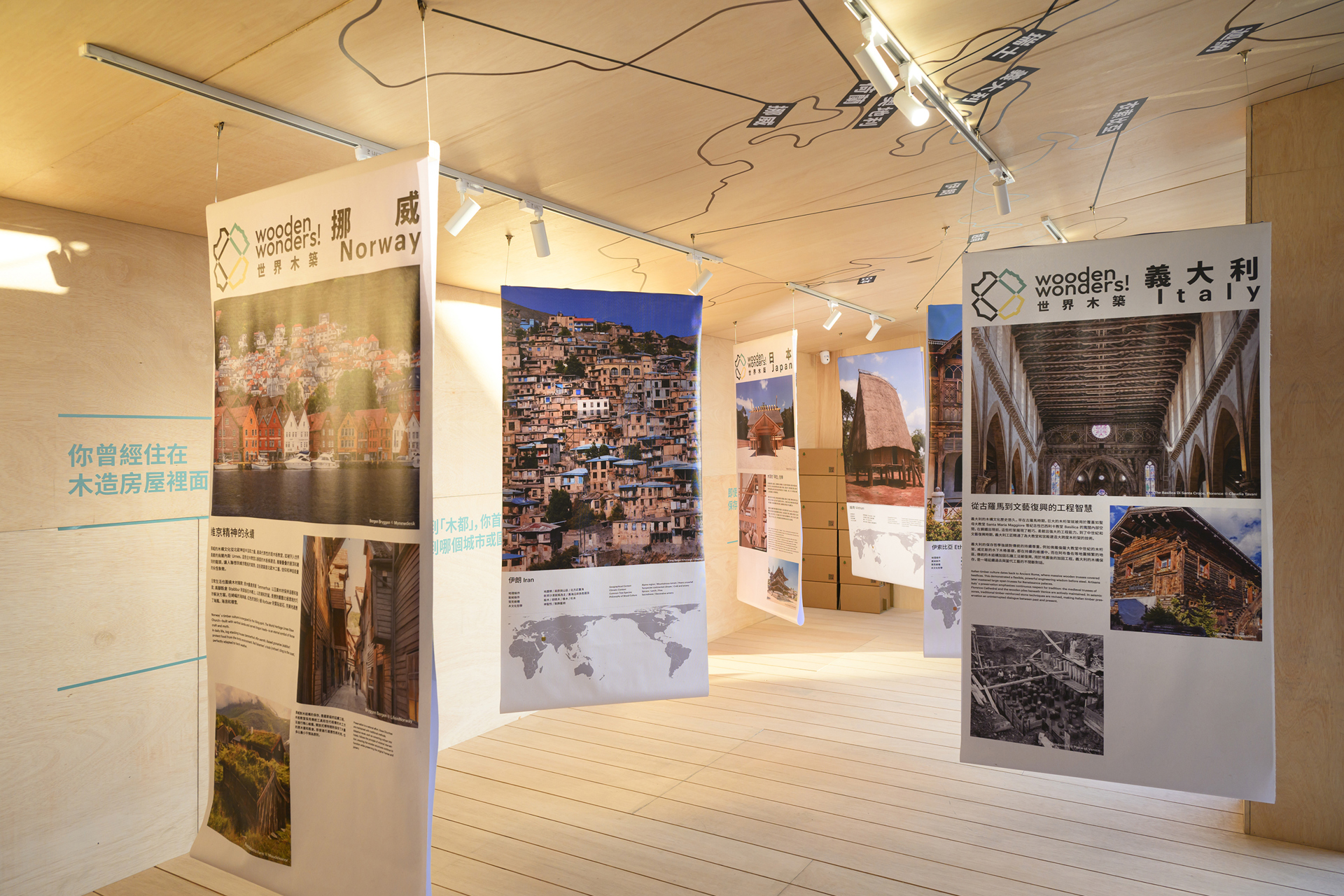
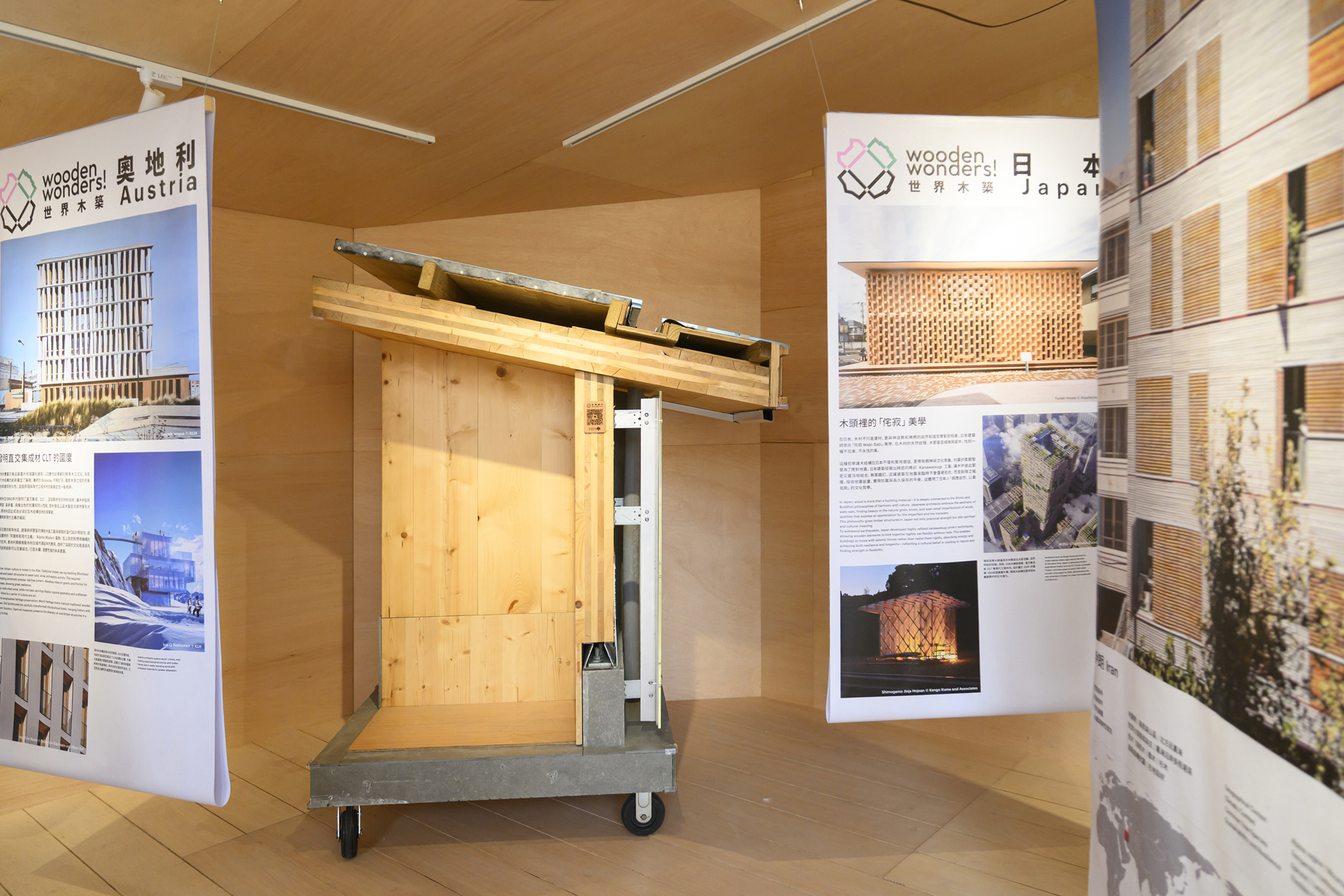
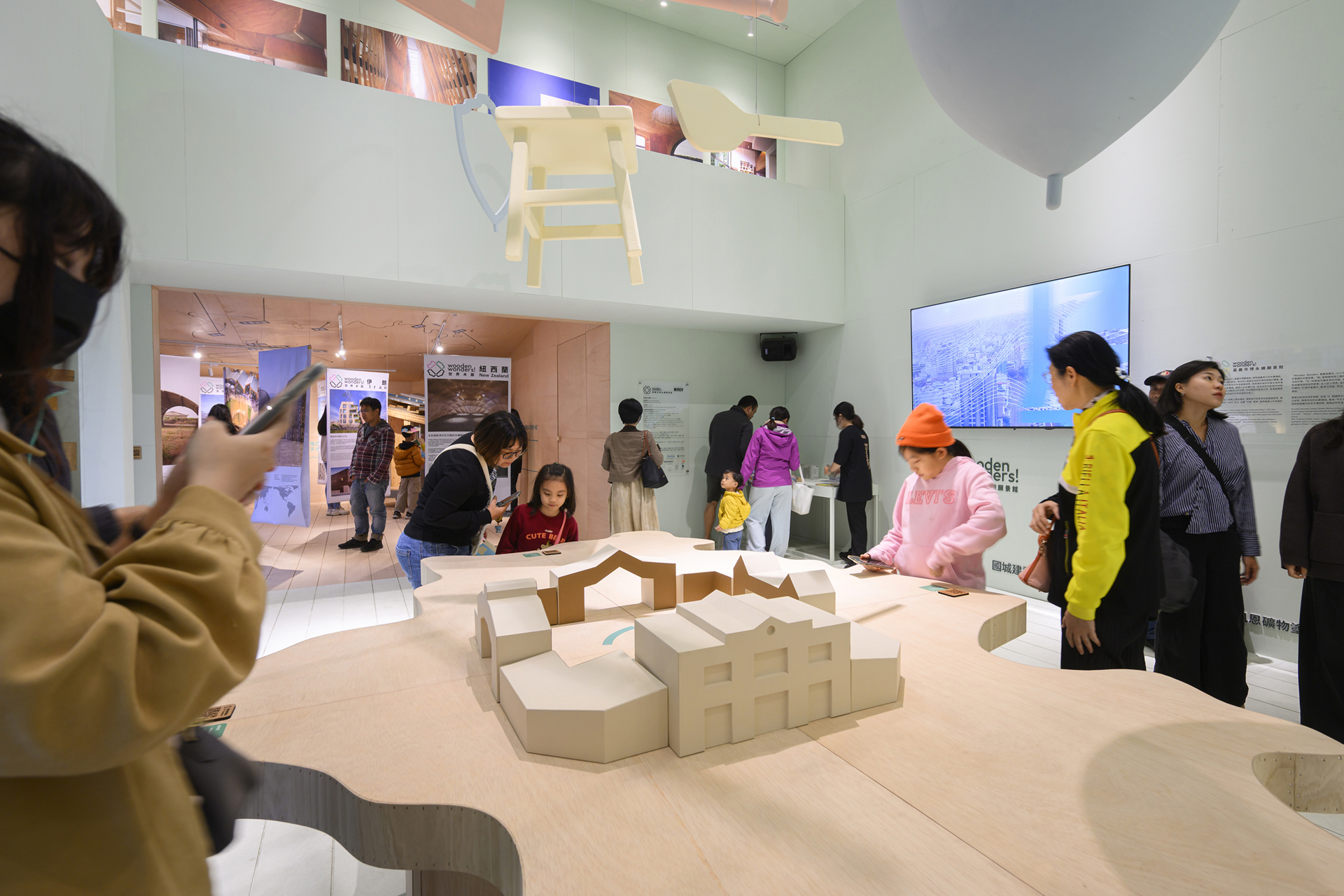
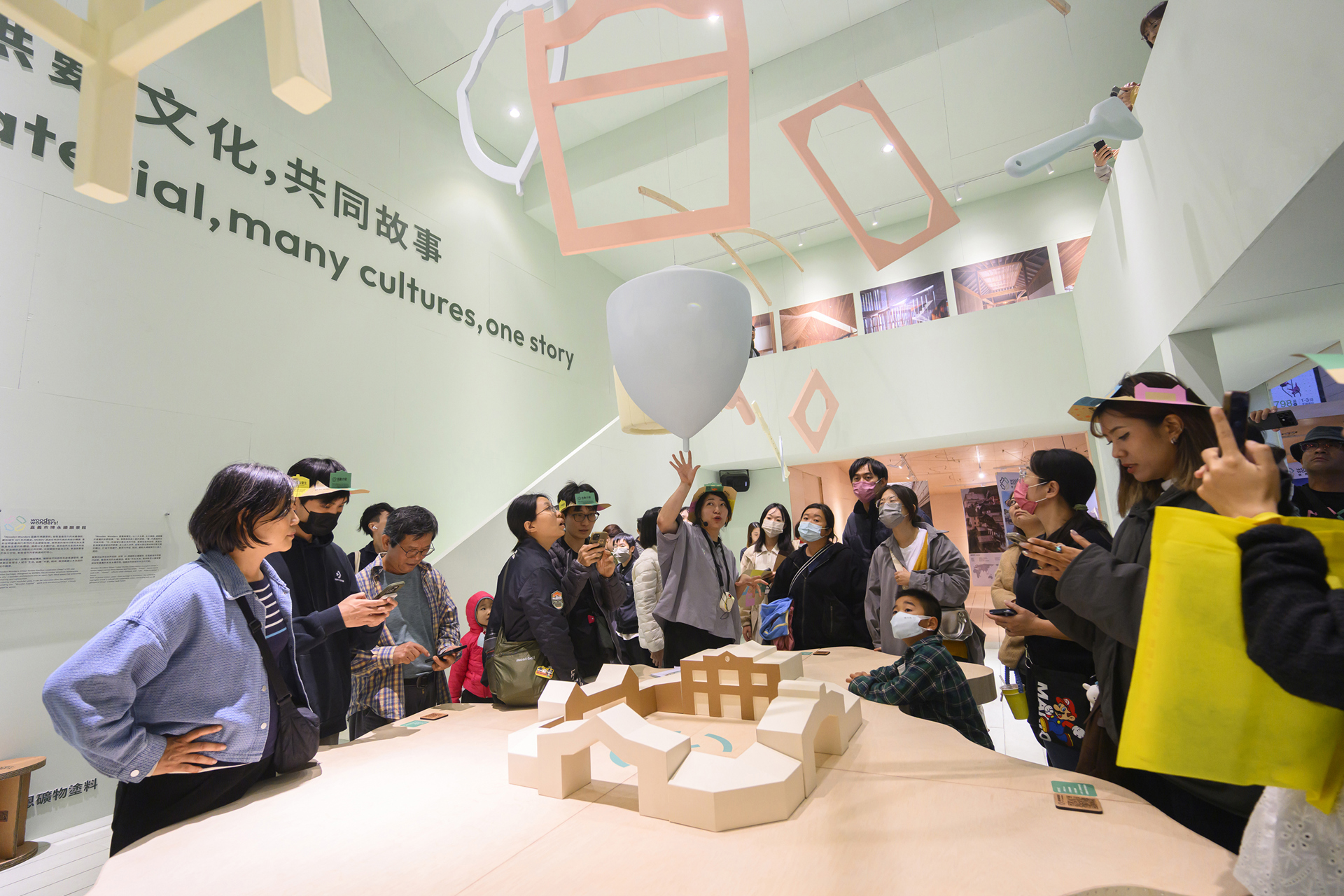
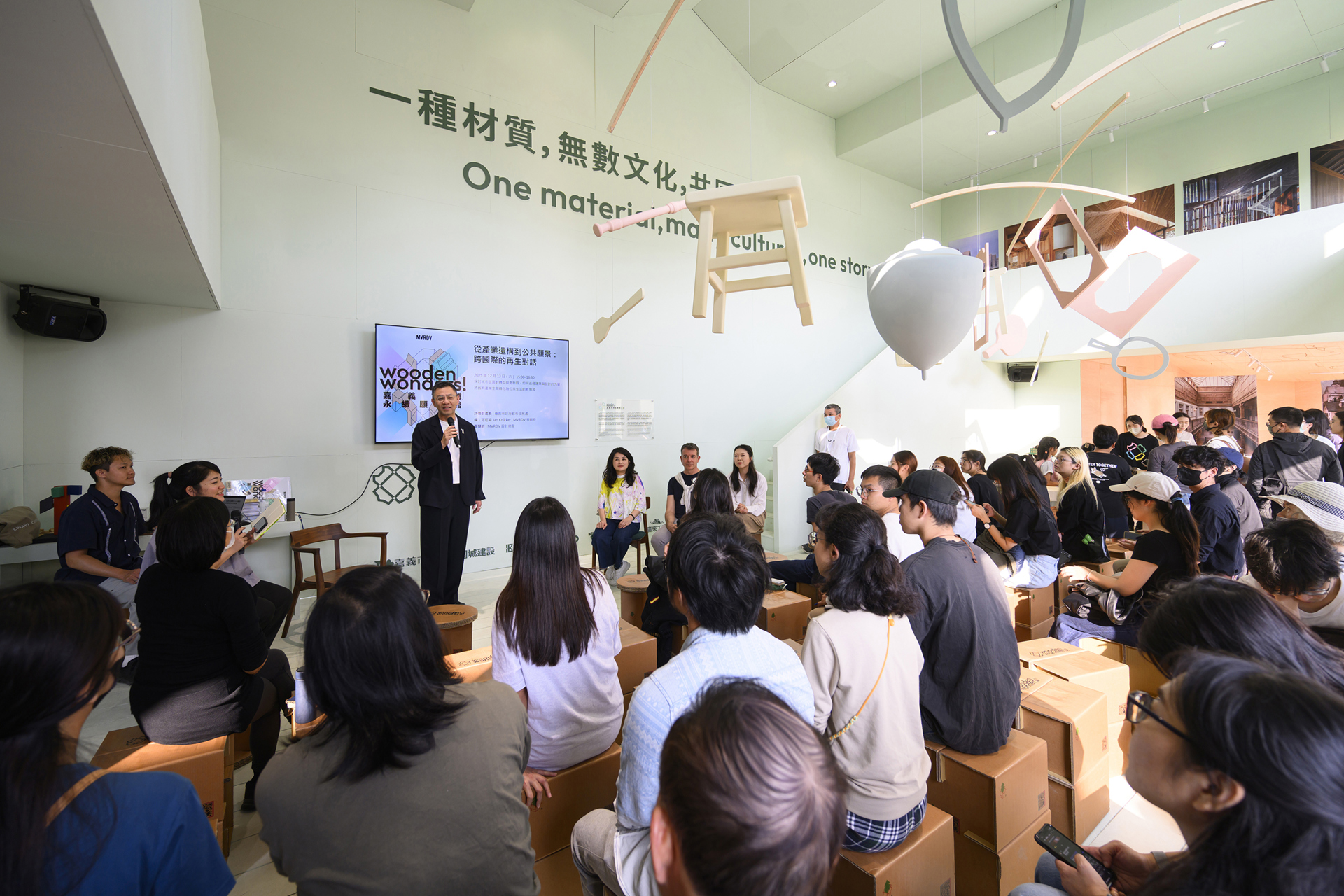
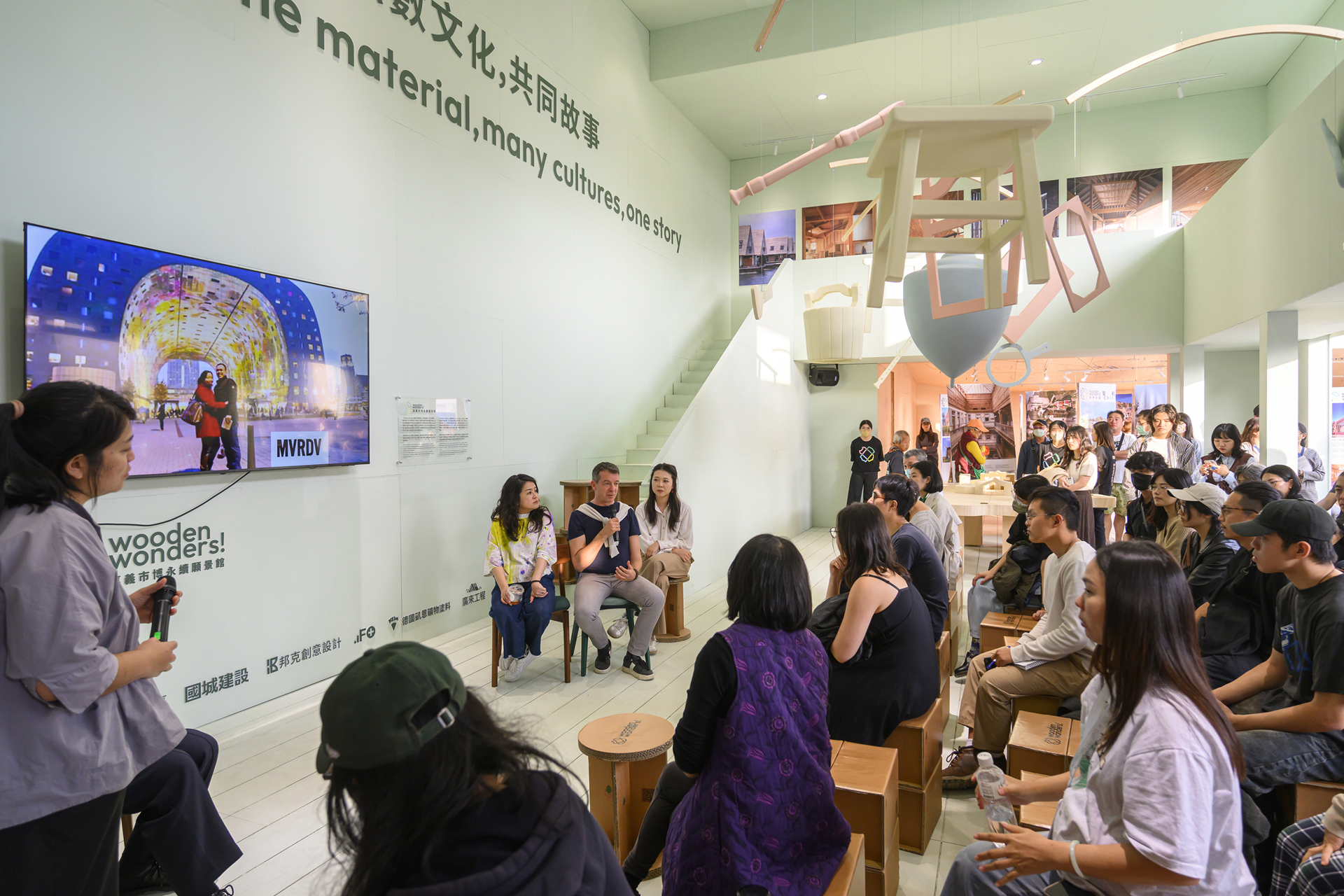
The remaining three sections are dedicated to Chiayi’s potential as Taiwan’s “Wood Capital”. The exhibition draws parallels to regions all around the world, from Norway to New Zealand, showing how other places developed their wood traditions, and how they have adapted to modern conditions to maintain this culture up until today. In the main hall – a two-storey space that takes up the northern side of the pavilion – the exhibition presents Chiayi’s timber future, inviting visitors to imagine what life could be like with a reinvigorated wood culture, and to make suggestions for the city’s future development.
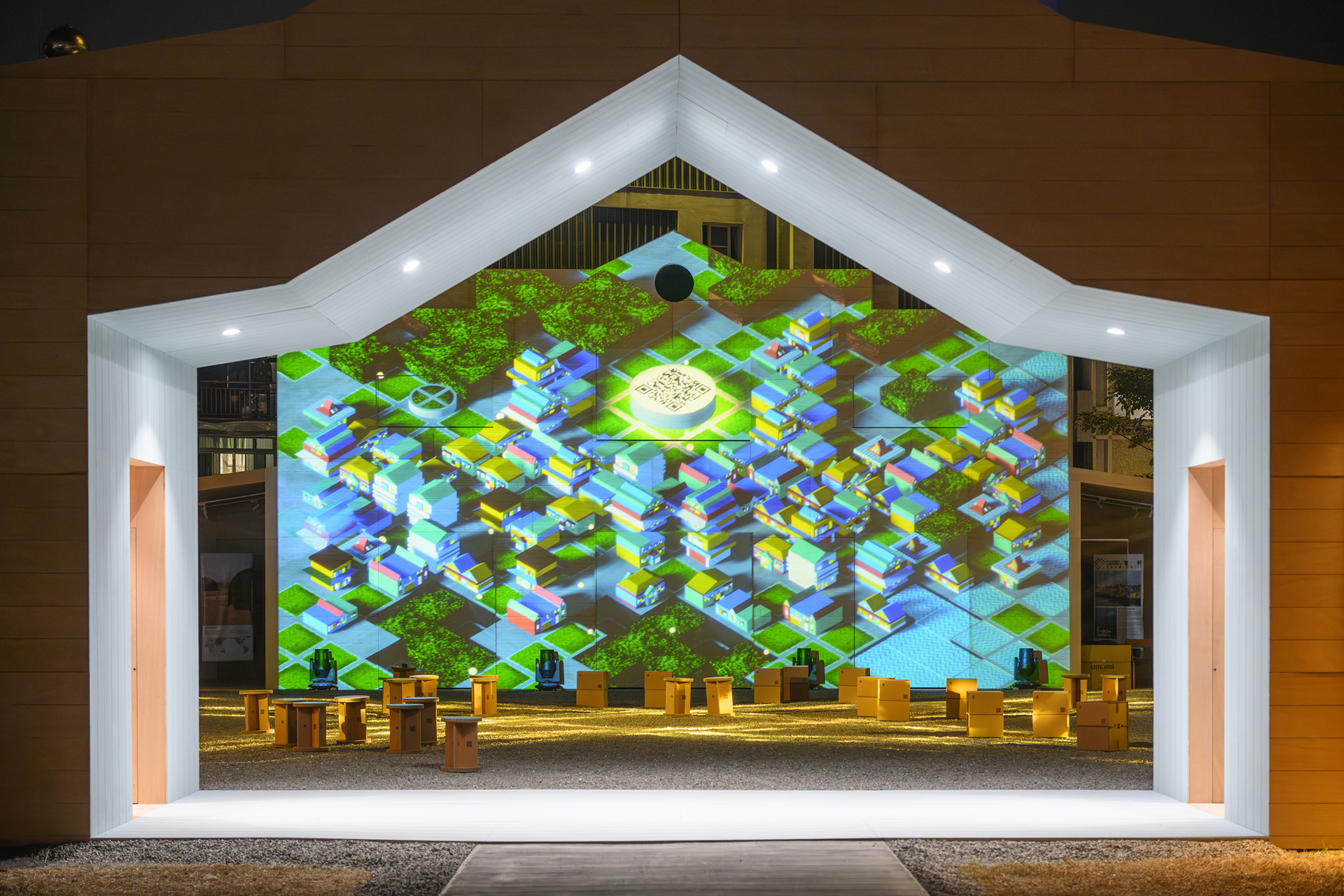
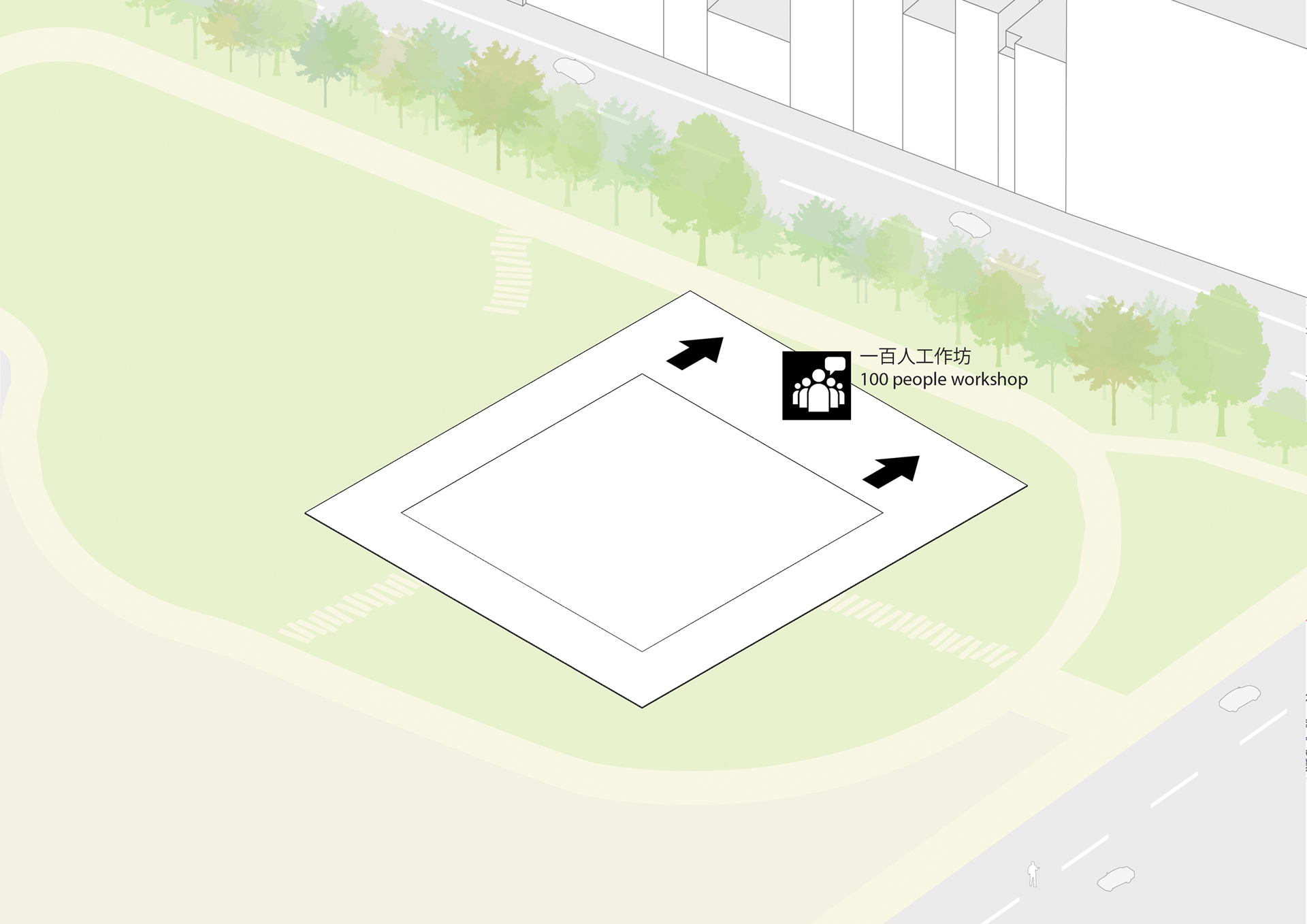
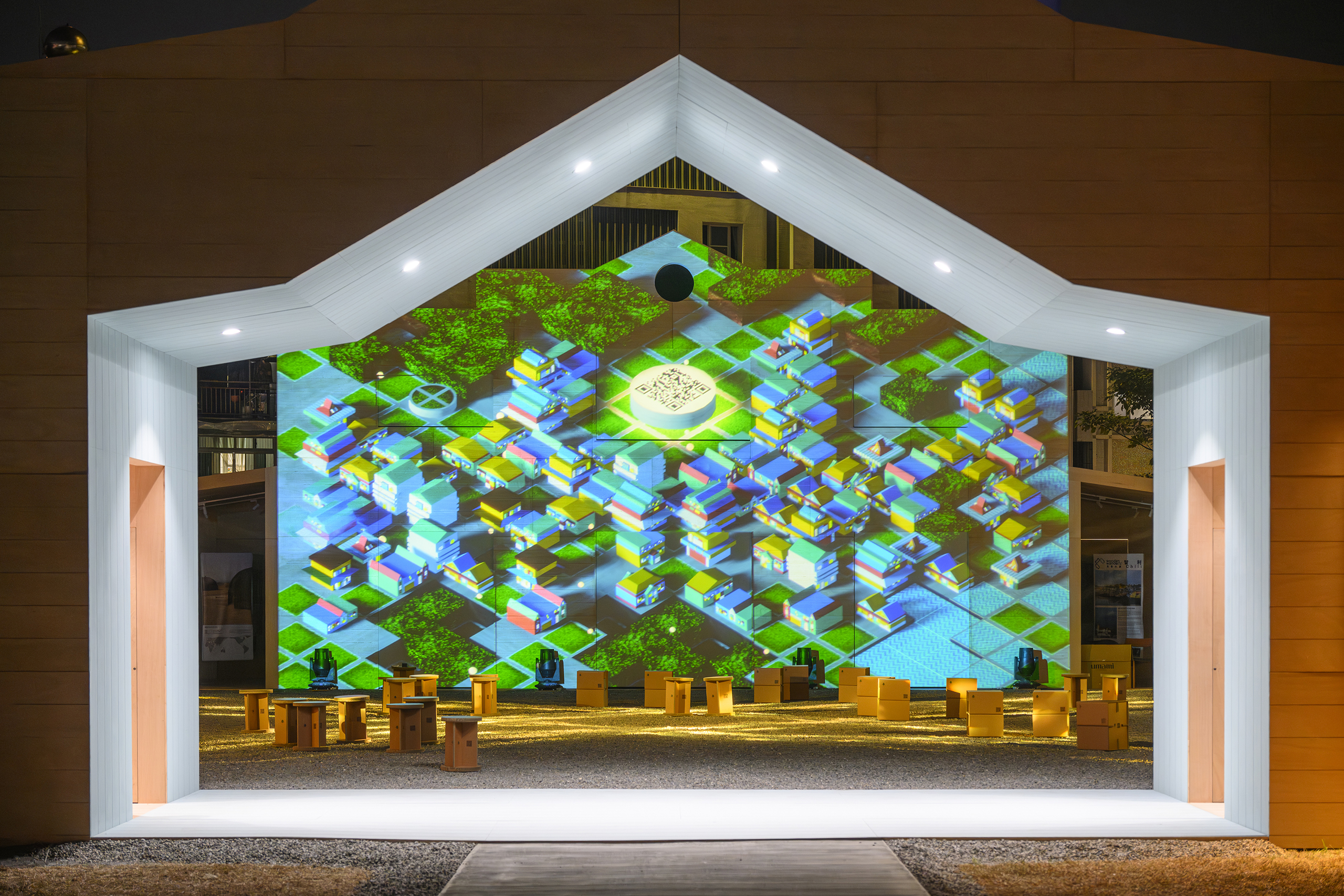
With its courtyard space – where a light show is projected onto the pavilion’s façade every evening – and spacious main hall, the Wooden Wonders pavilion served as a key gathering space during the two weeks city’s anniversary celebrations.
Gallery
© Shephotoerd
© Shephotoerd
© Shephotoerd
© Shephotoerd
© Shephotoerd
© Shephotoerd
© Shephotoerd
© Shephotoerd
© Shephotoerd
© Shephotoerd
© Shephotoerd
© Shephotoerd
© Shephotoerd
© Shephotoerd
© Shephotoerd
© Shephotoerd
© Shephotoerd
© Shephotoerd
© Shephotoerd
© Shephotoerd
© Shephotoerd
© Shephotoerd
© Shephotoerd
Chiayi timber typologies research
Chiayi timber typologies research
Chiayi timber typologies research
image
image
image
image
image
image
image
.jpg?width=1920)
.jpg?width=1920)
.jpg?width=1920)
Credits
- Architect
- Founding partner in charge
- Curator
- Co-curator
- Design team
- Copywriter
- Partners
- Local executing team:
- Bunker Design
- Wood structure:
- Guanglai Construction
- Projection mapping:
- IF Plus
- Photography:
- © Shephotoerd