The Grottos of Petrelë
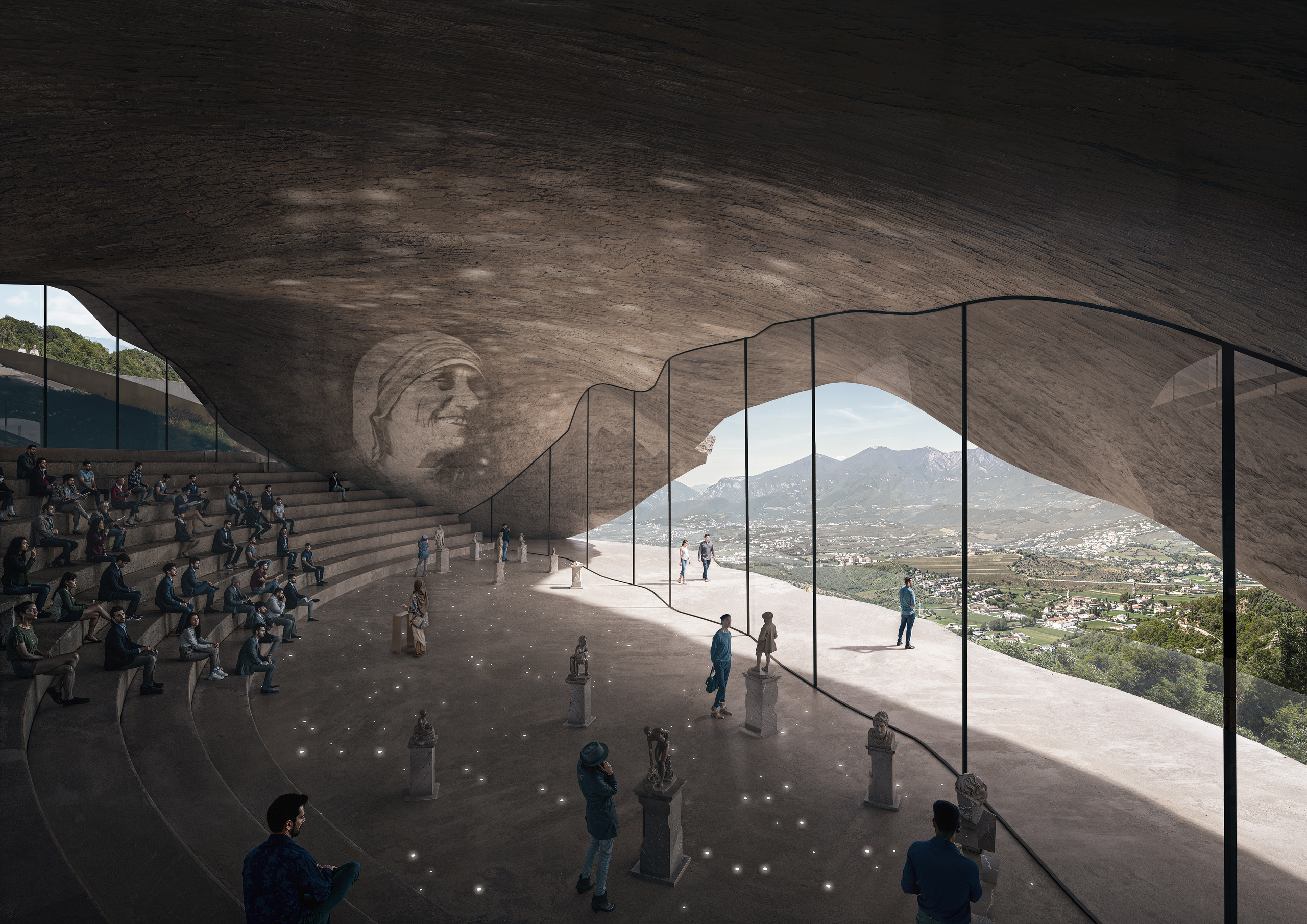
The Grottos of Petrelë is MVRDV’s competition proposal for Faith Park, a new cultural and spiritual destination on the slopes of Petrelë Mountain near Tirana. The design transforms a forested hillside into a network of spaces for gathering, learning, contemplation, and exchange, drawing inspiration from Albania’s long history of religious coexistence.
- Location
- Tirana, Albania
- Status
- Competition
- Year
- 2025–2025
- Surface
- 12623 m²
- Client
- Albanian Ministry of Infrastructure and Energy
- Programmes
- Cultural, Public space
- Themes
- Architecture, Public
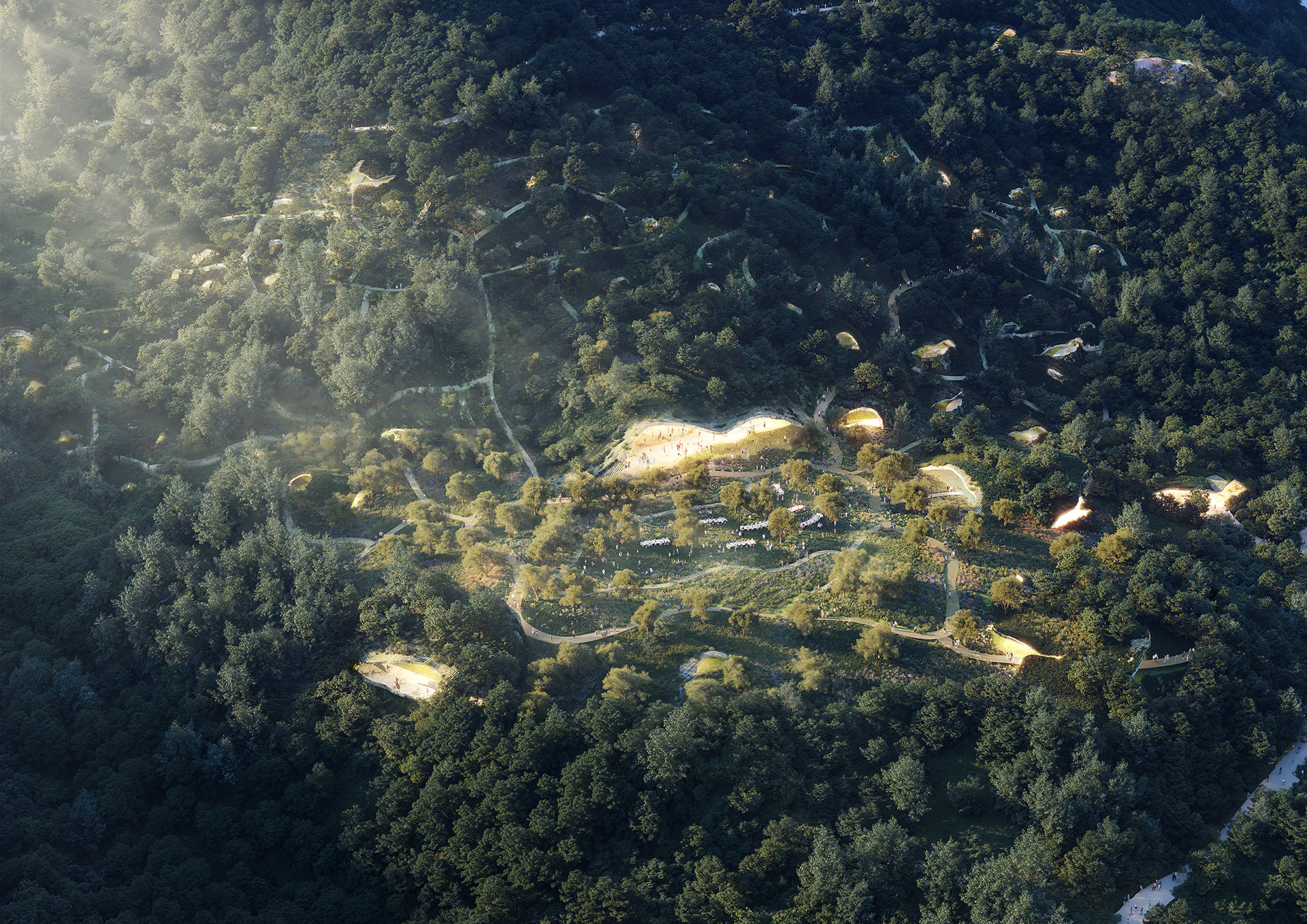
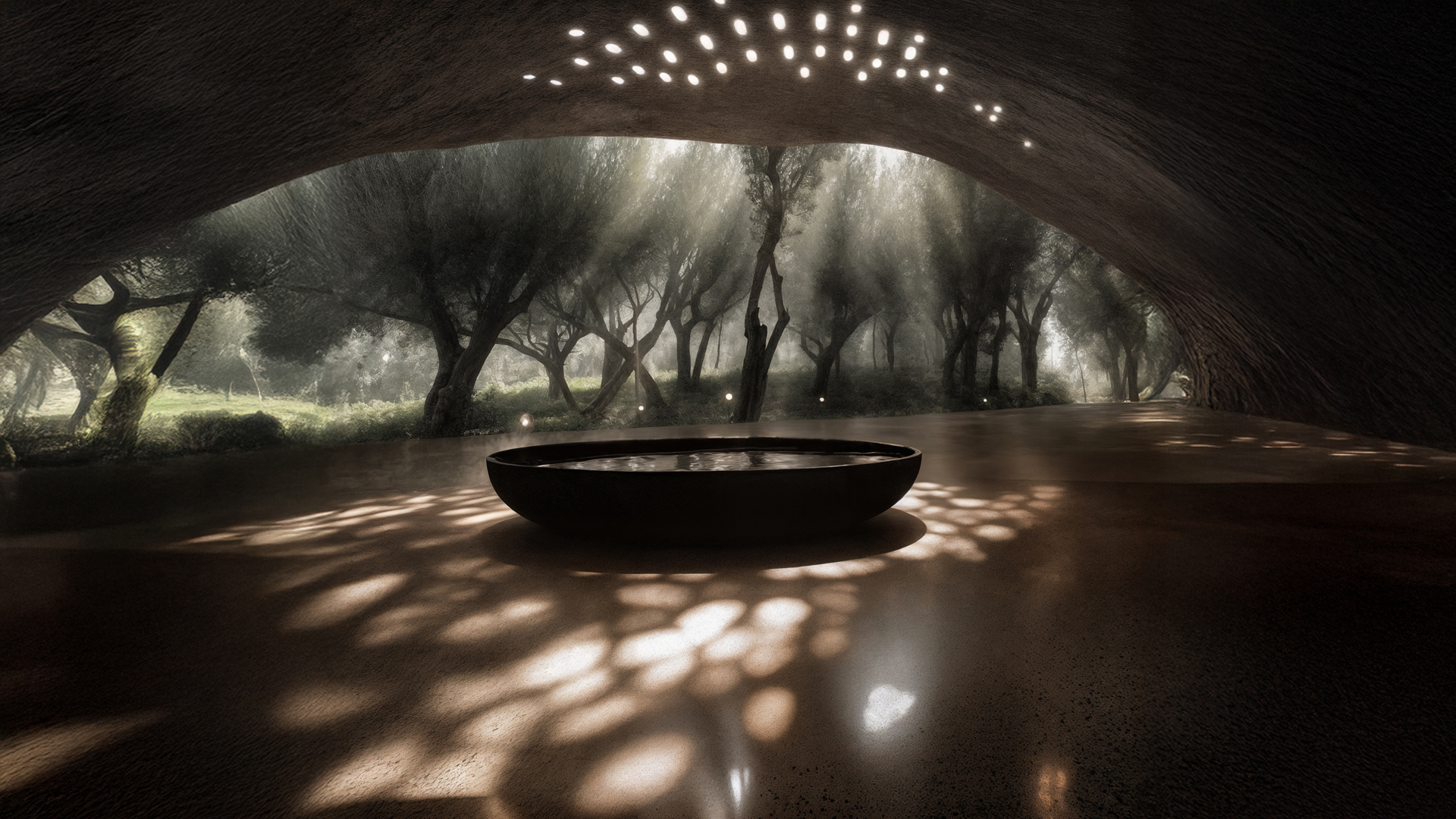
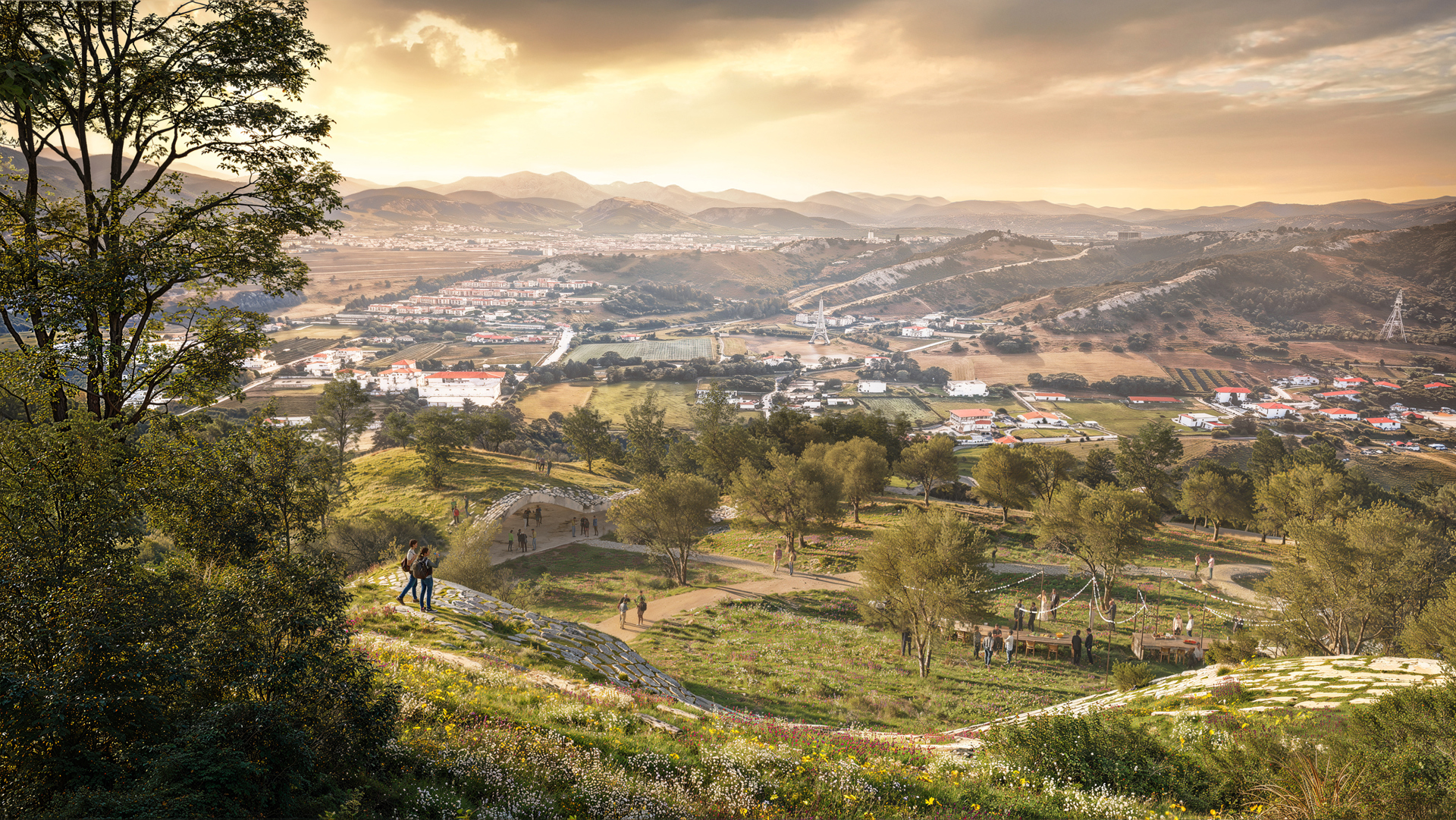
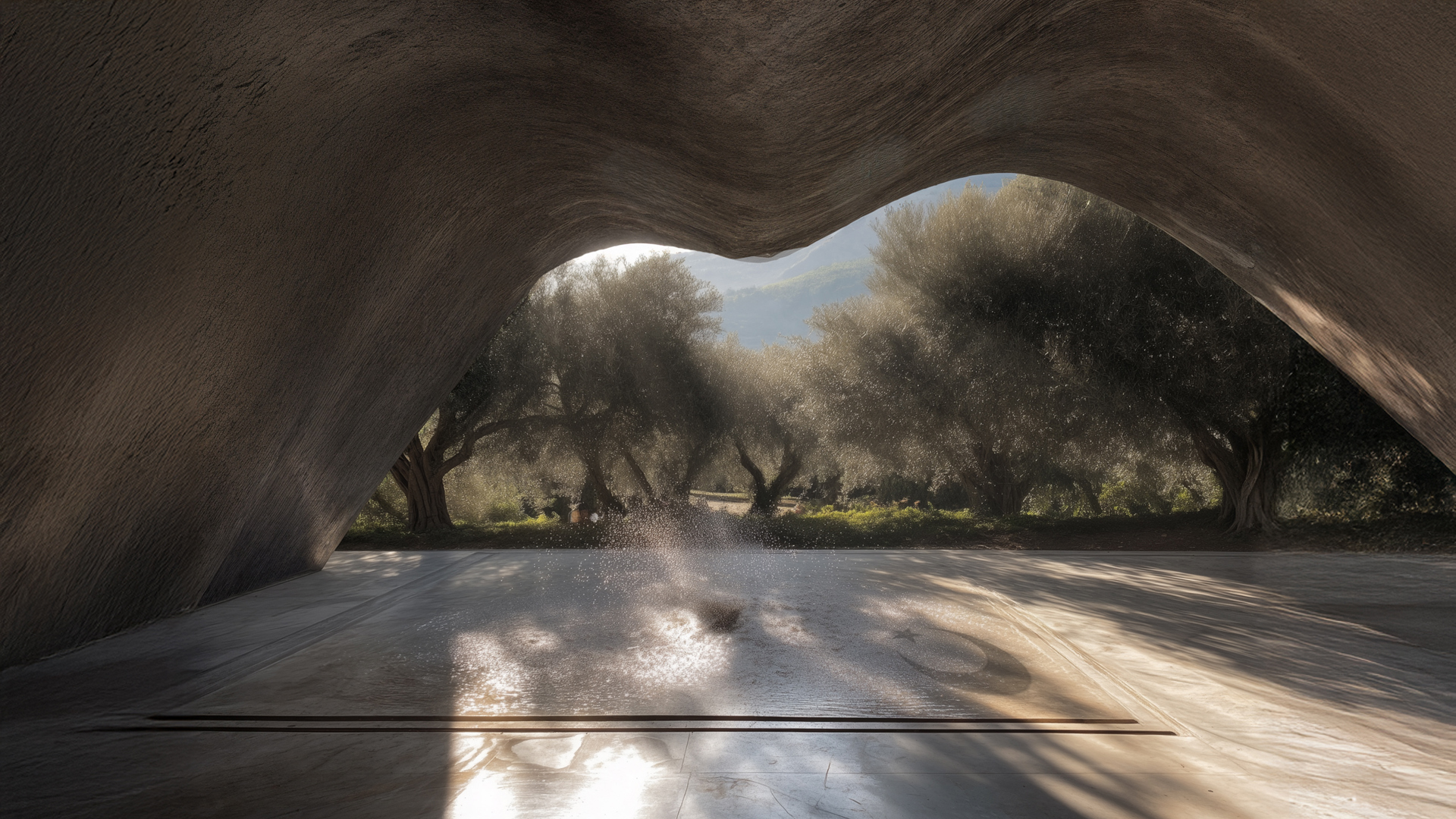
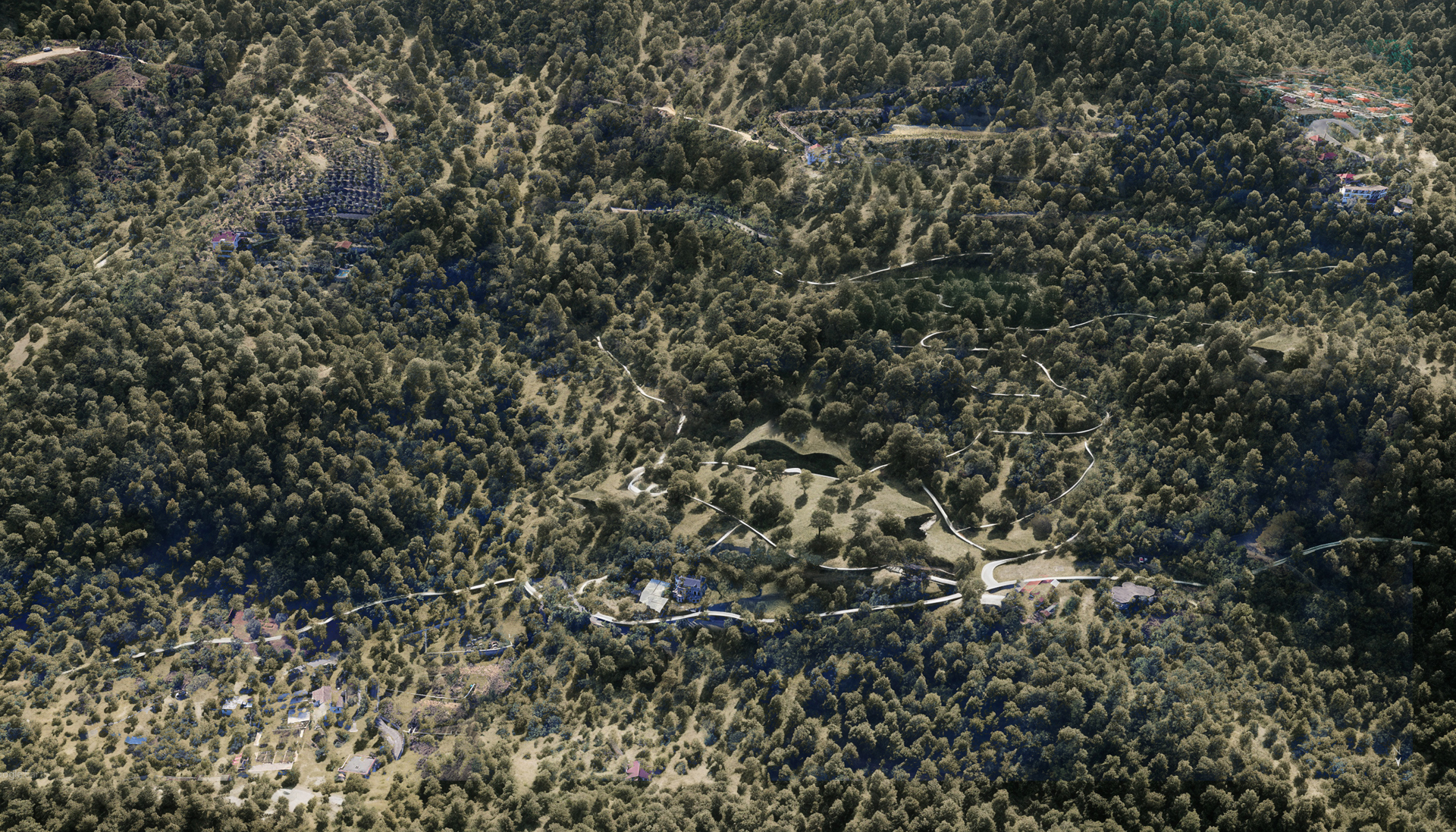
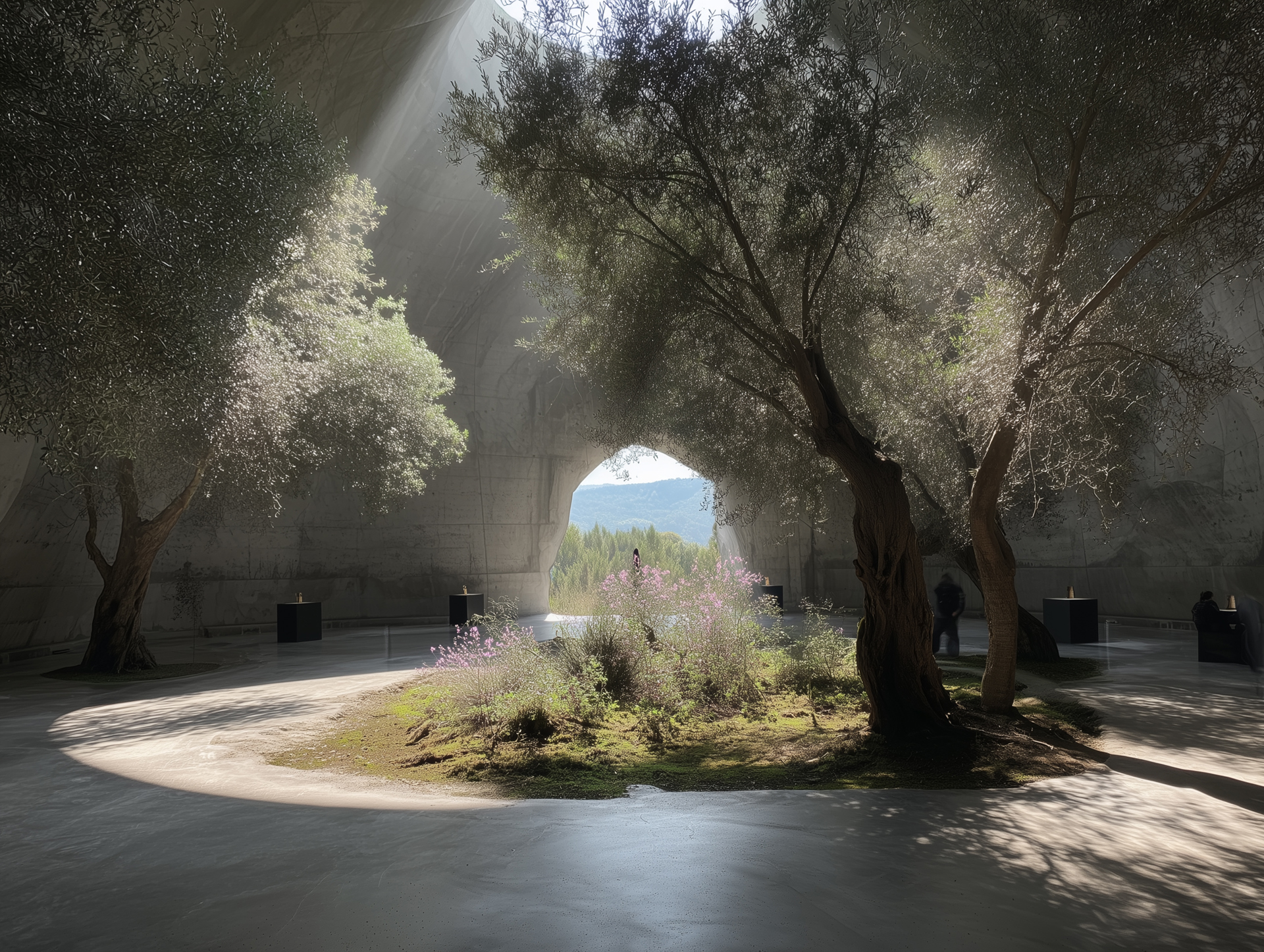
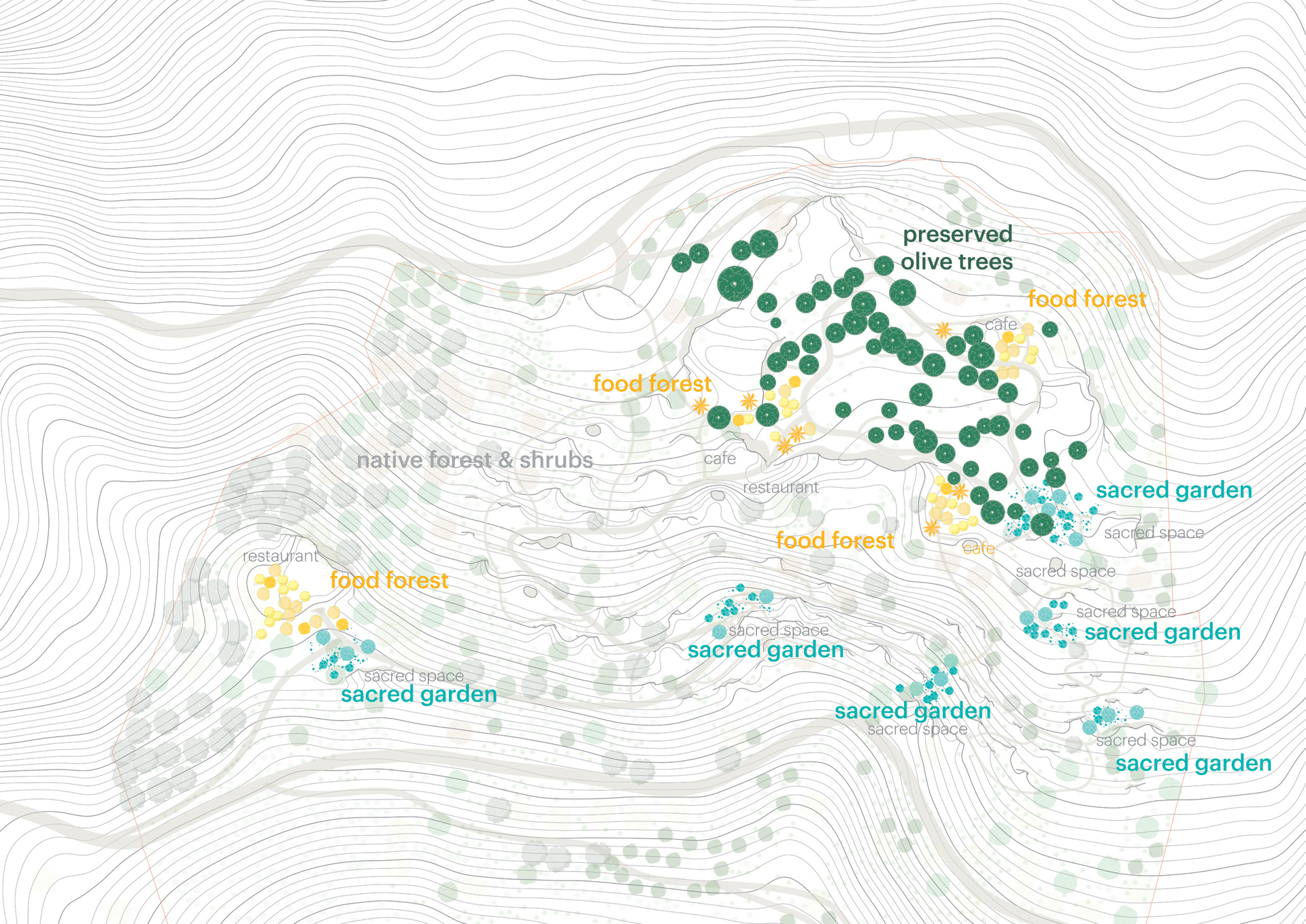
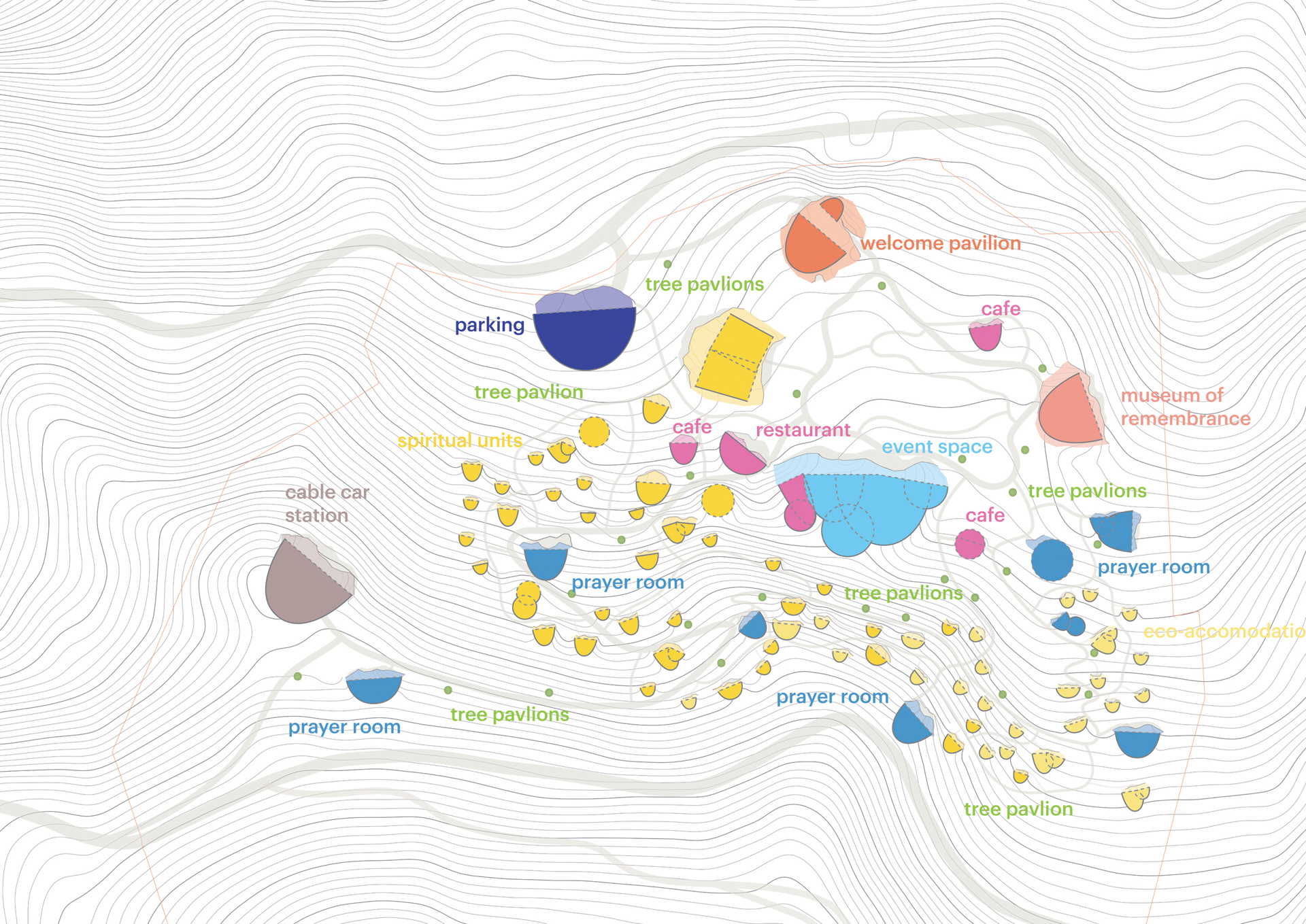
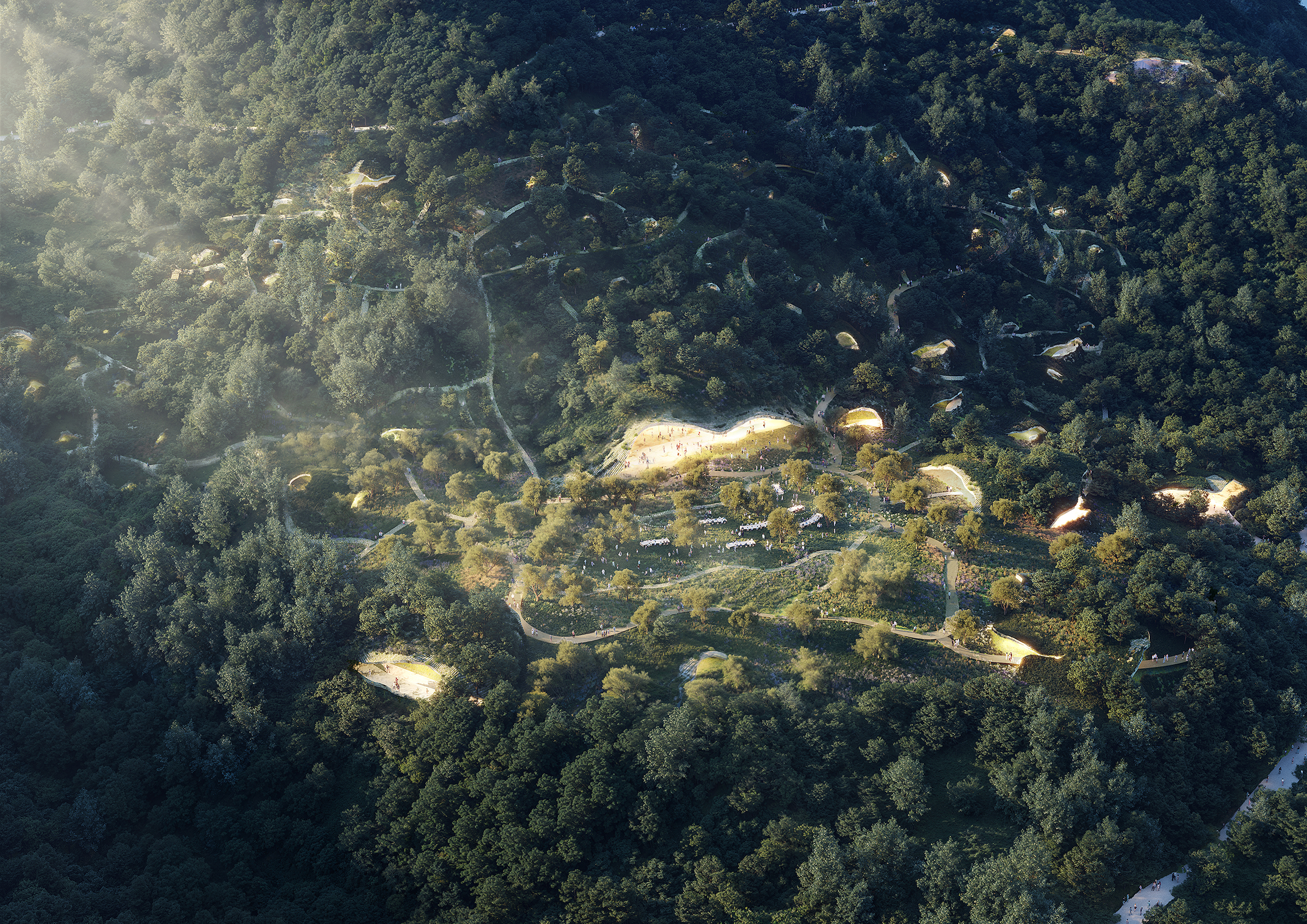
MVRDV’s proposal is shaped by the site's existing topography, vegetation, and an ancient olive grove that forms the heart of the park. Around this central landscape, a series of pavilions, sacred spaces, exhibition areas, wellness facilities, and quiet retreats are carefully positioned among the trees. Public programmes cluster around the olive grove, while more intimate spaces are dispersed throughout the forest, encouraging visitors to explore the mountain at their own pace.
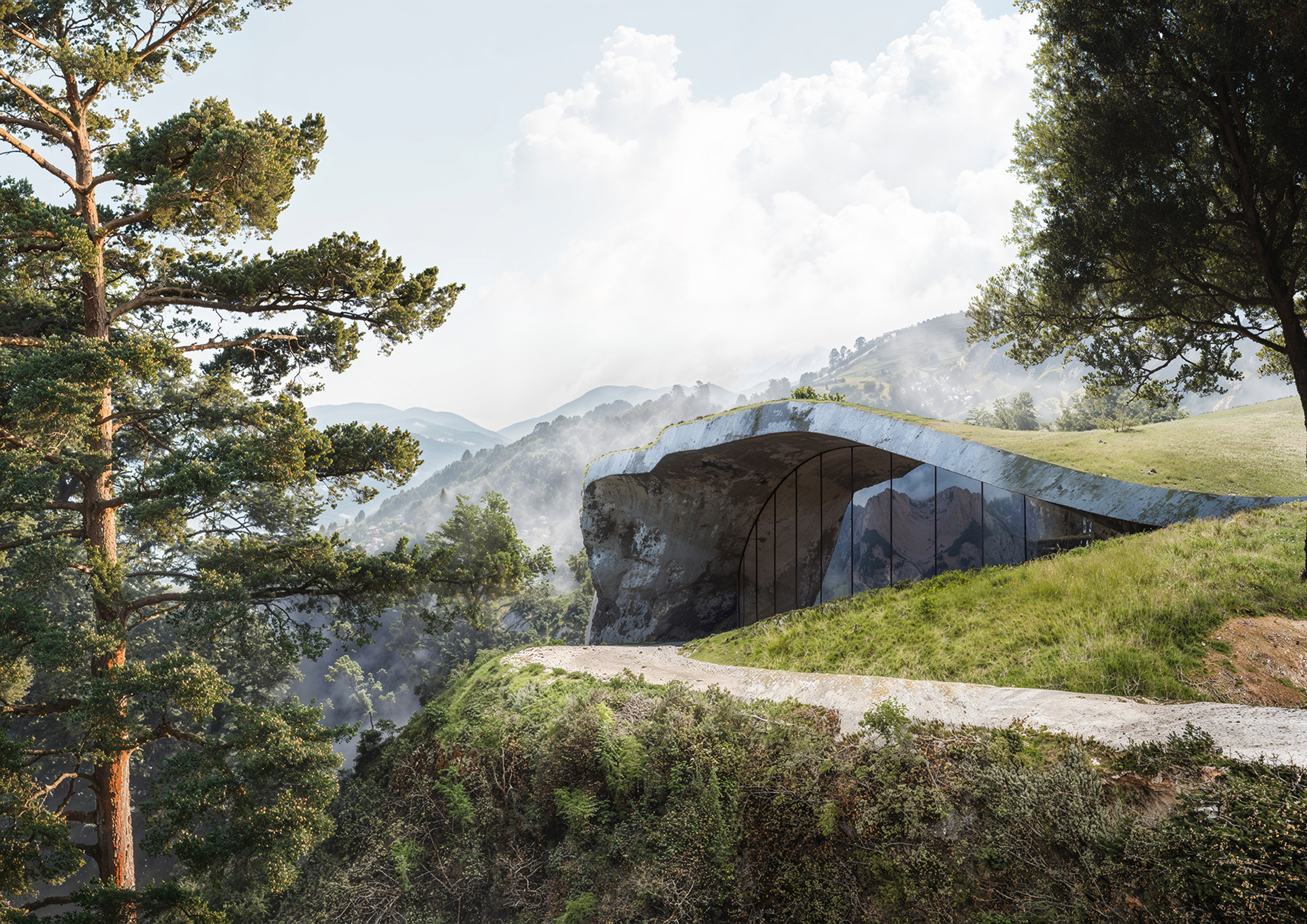
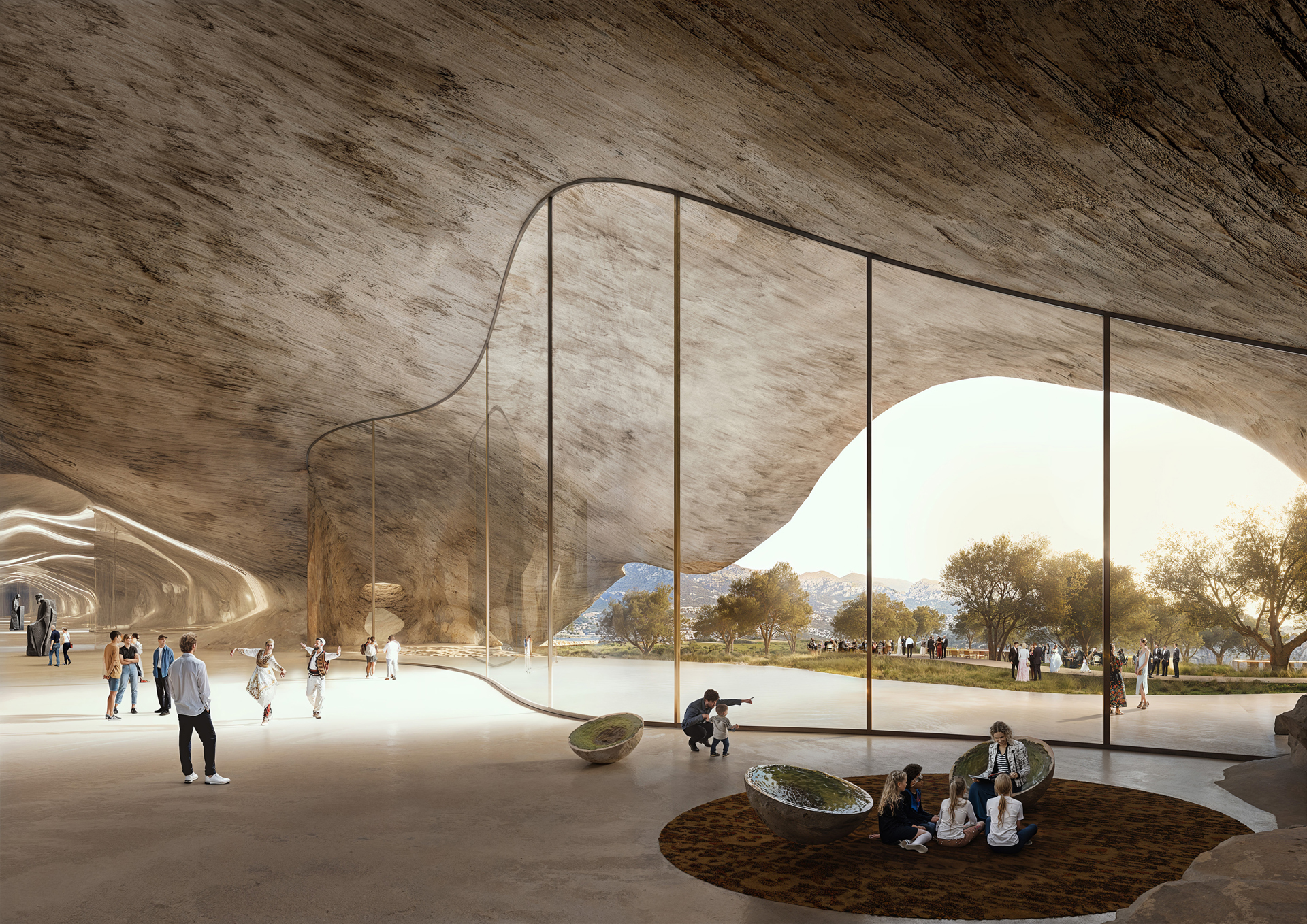
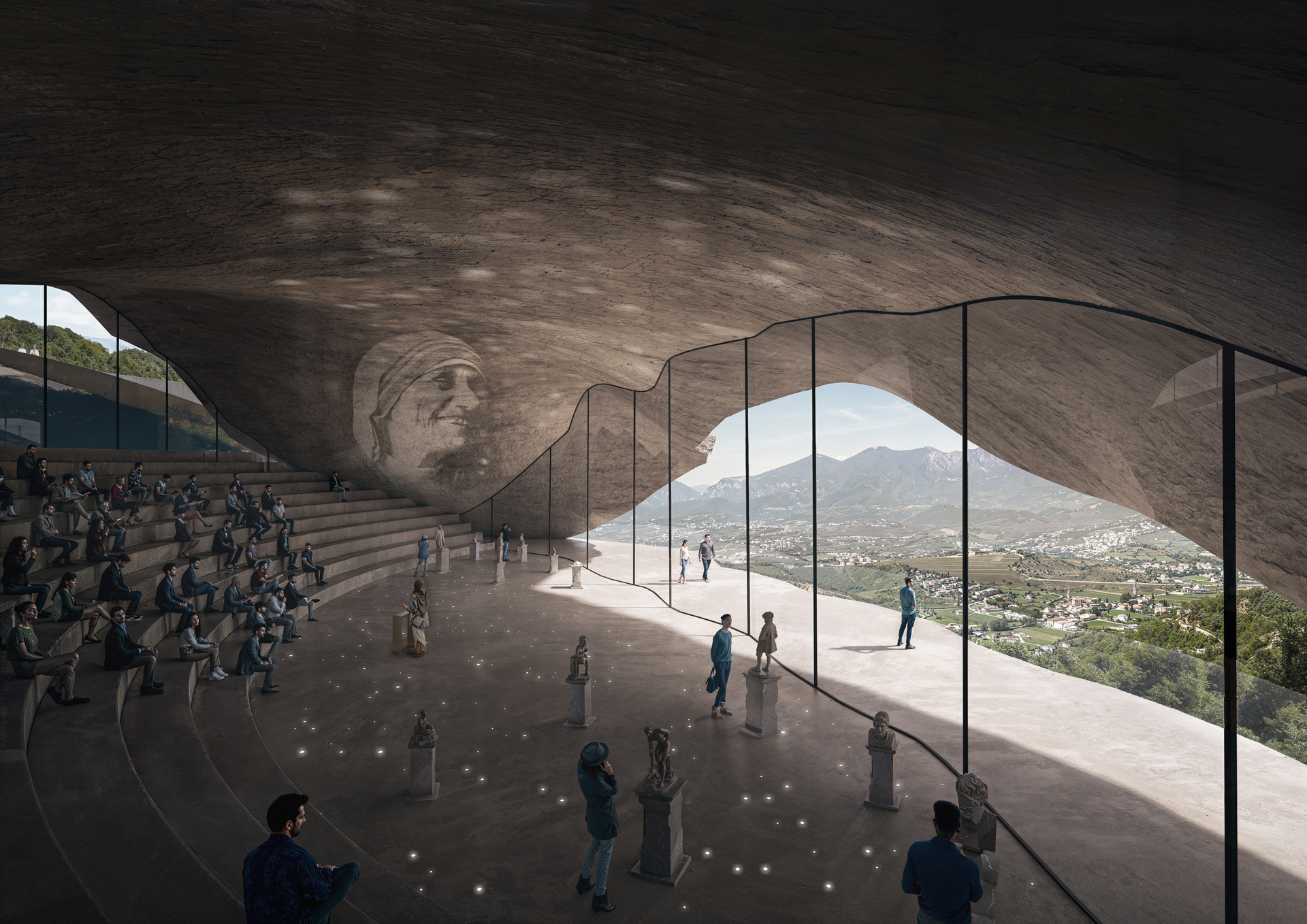
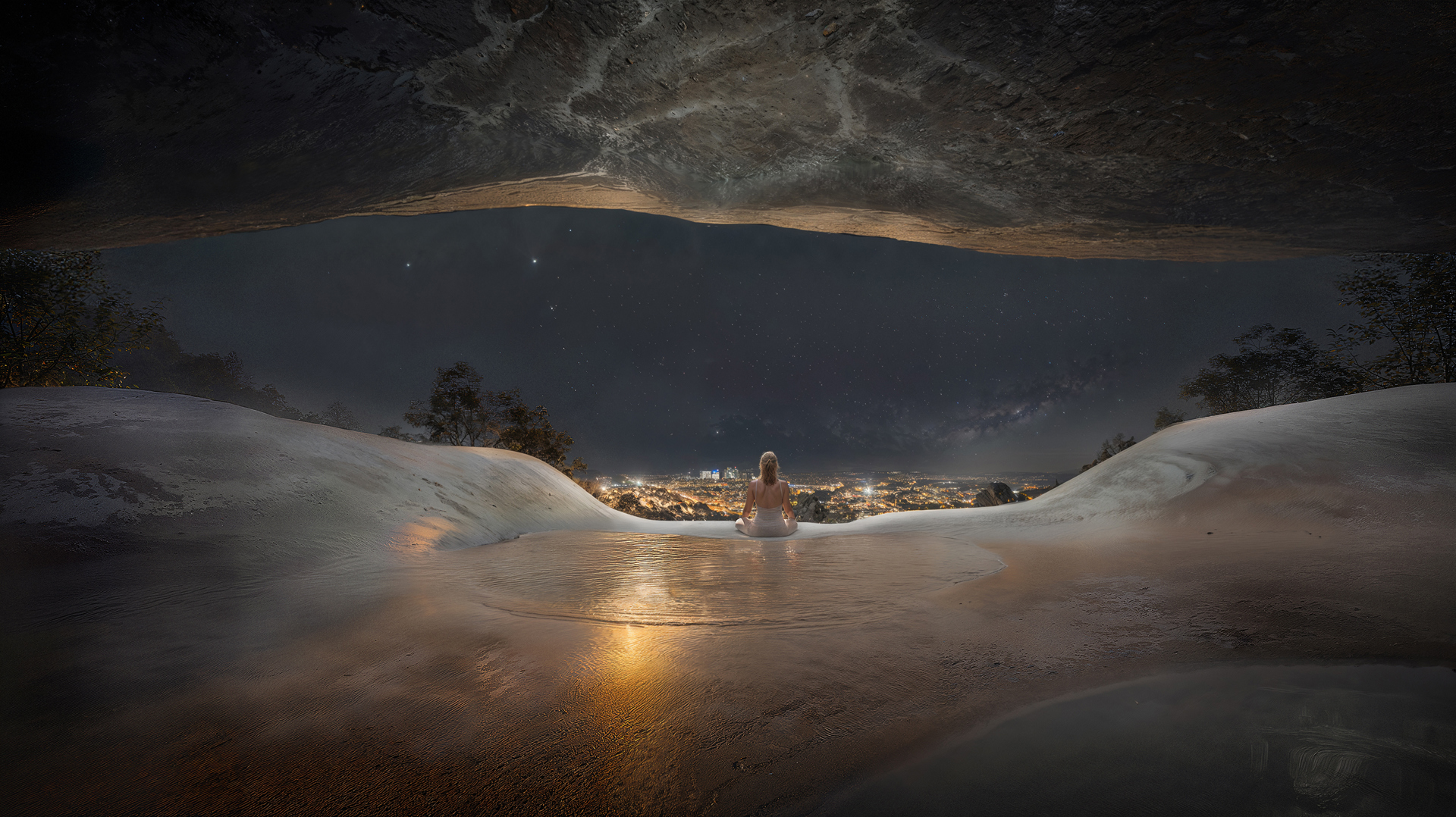
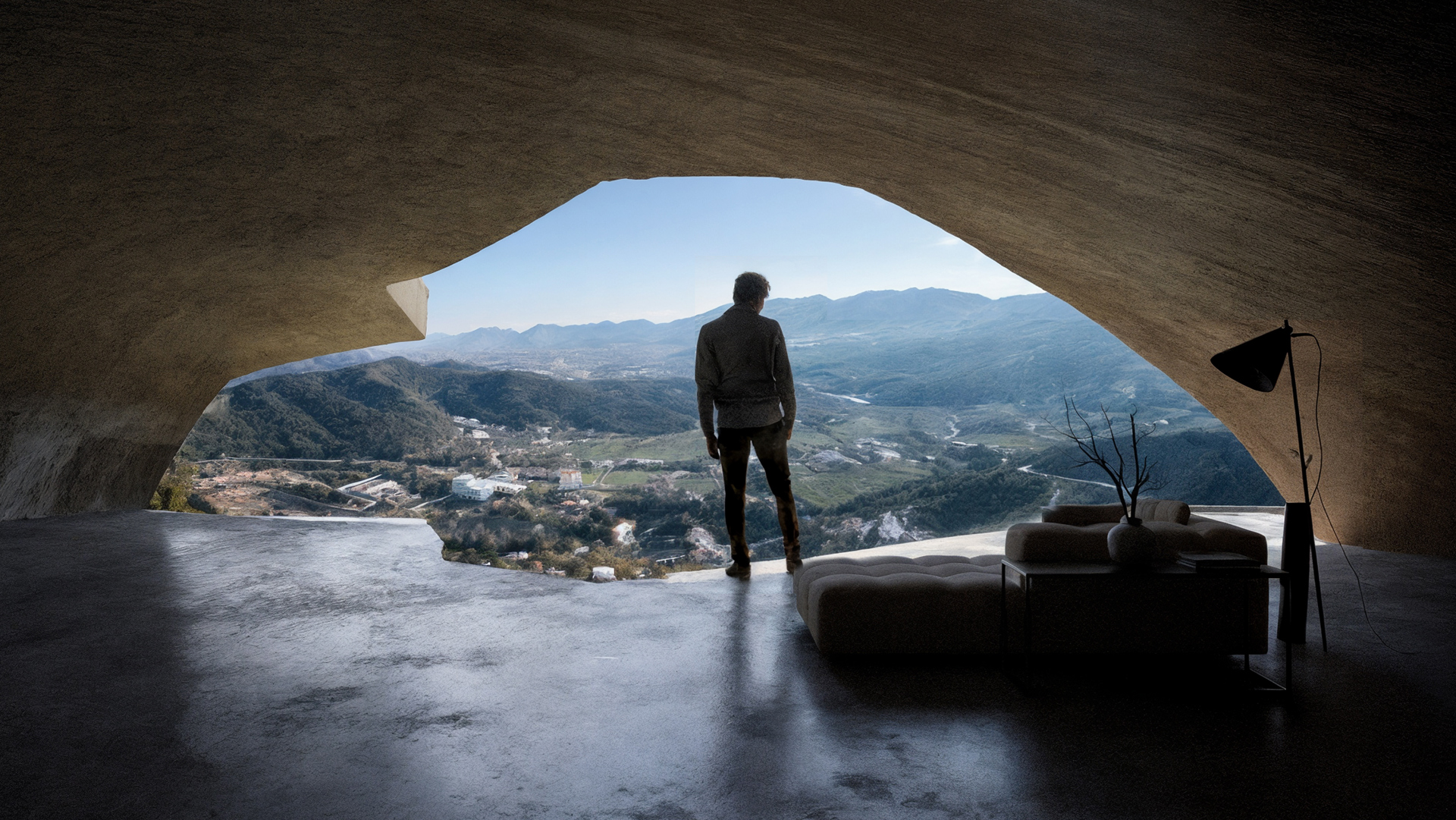
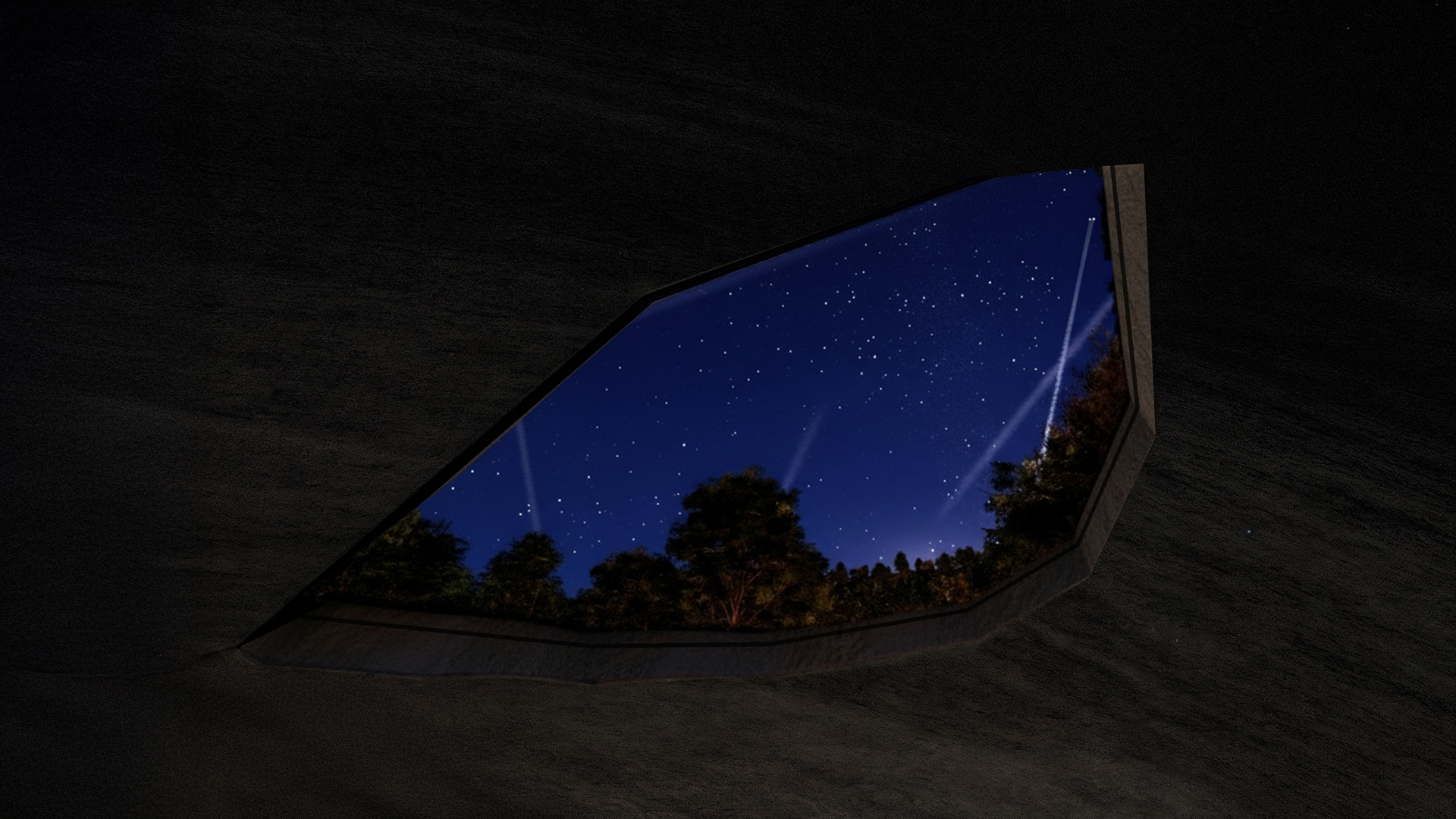
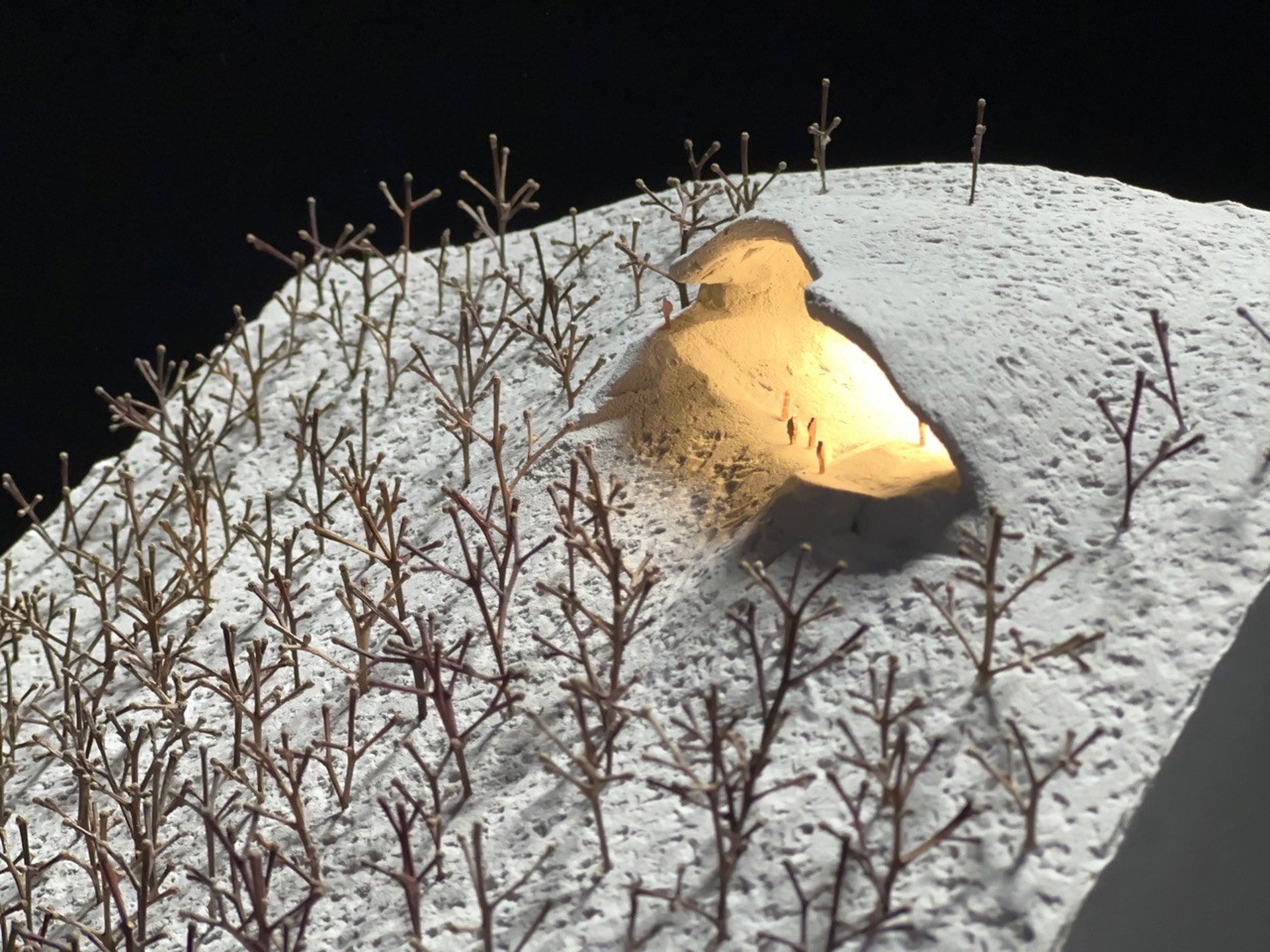
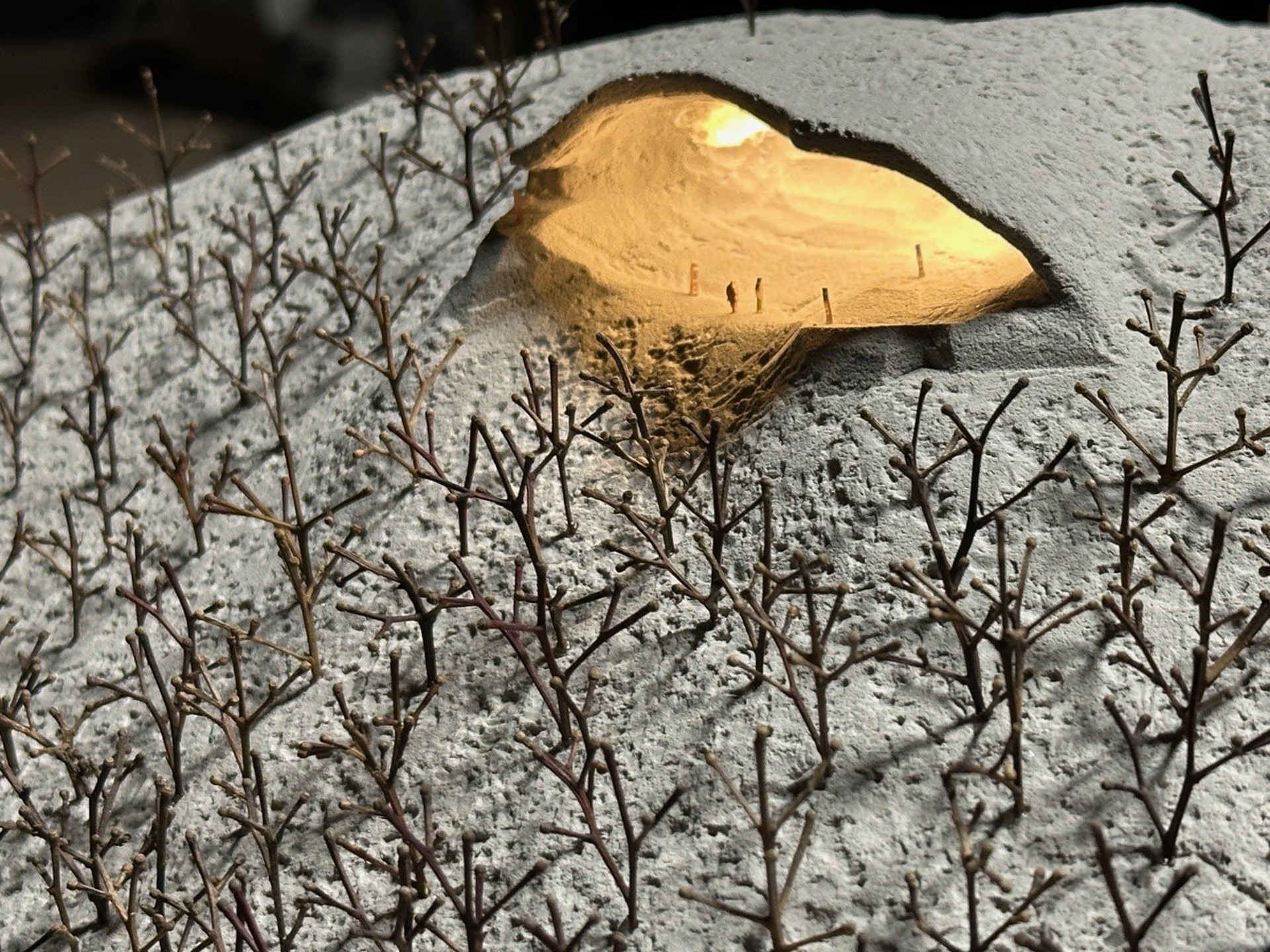
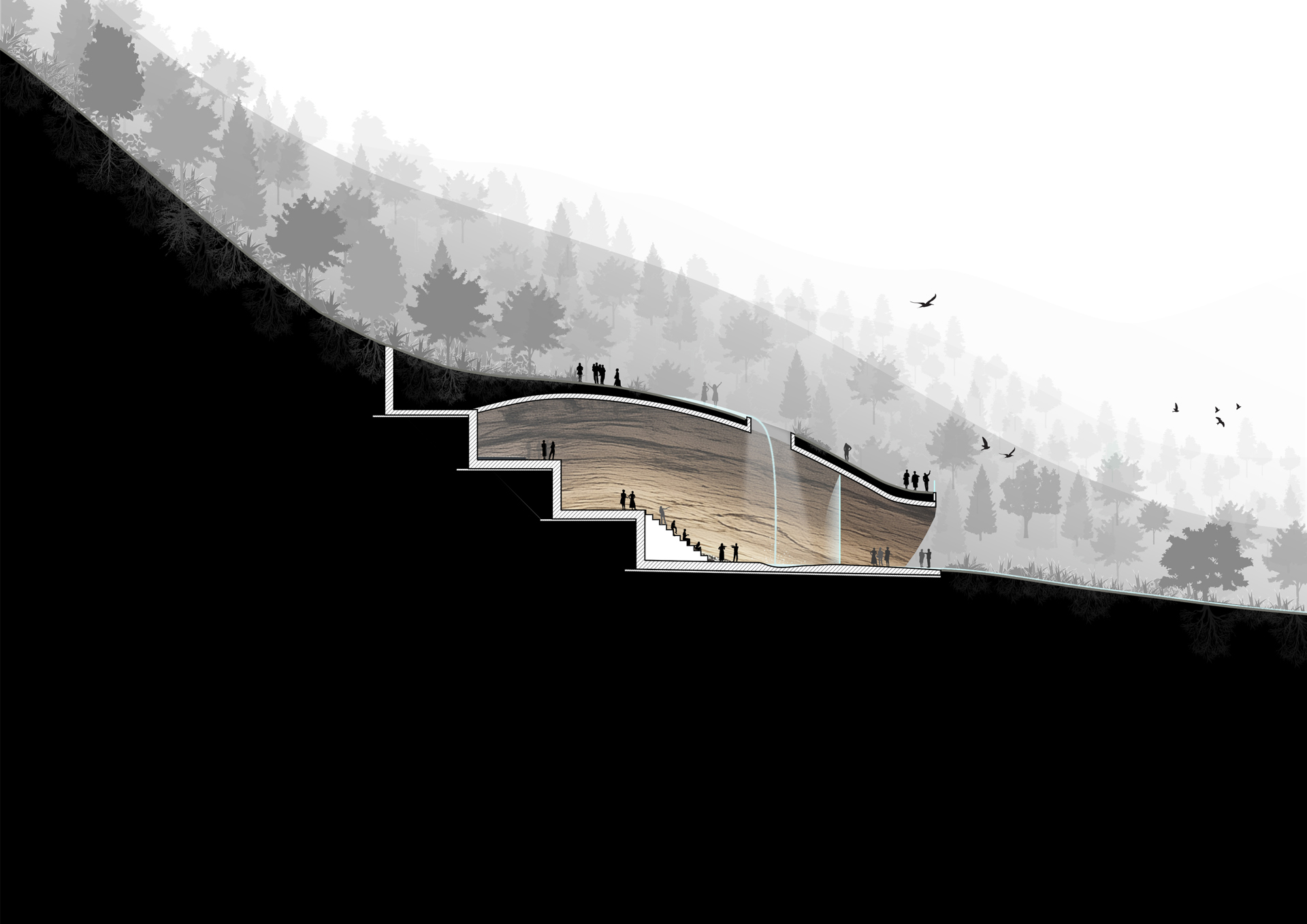
The project takes inspiration from the grotto, a spatial archetype found across cultures and religions. Historically associated with shelter, revelation, memory, and transformation, the grotto becomes the organising principle for the architecture. Rather than constructing a single landmark building, the programme is distributed across a family of dome-like structures partially embedded within the terrain. These spaces combine the protective qualities of a cave with carefully framed views of the surrounding landscape.
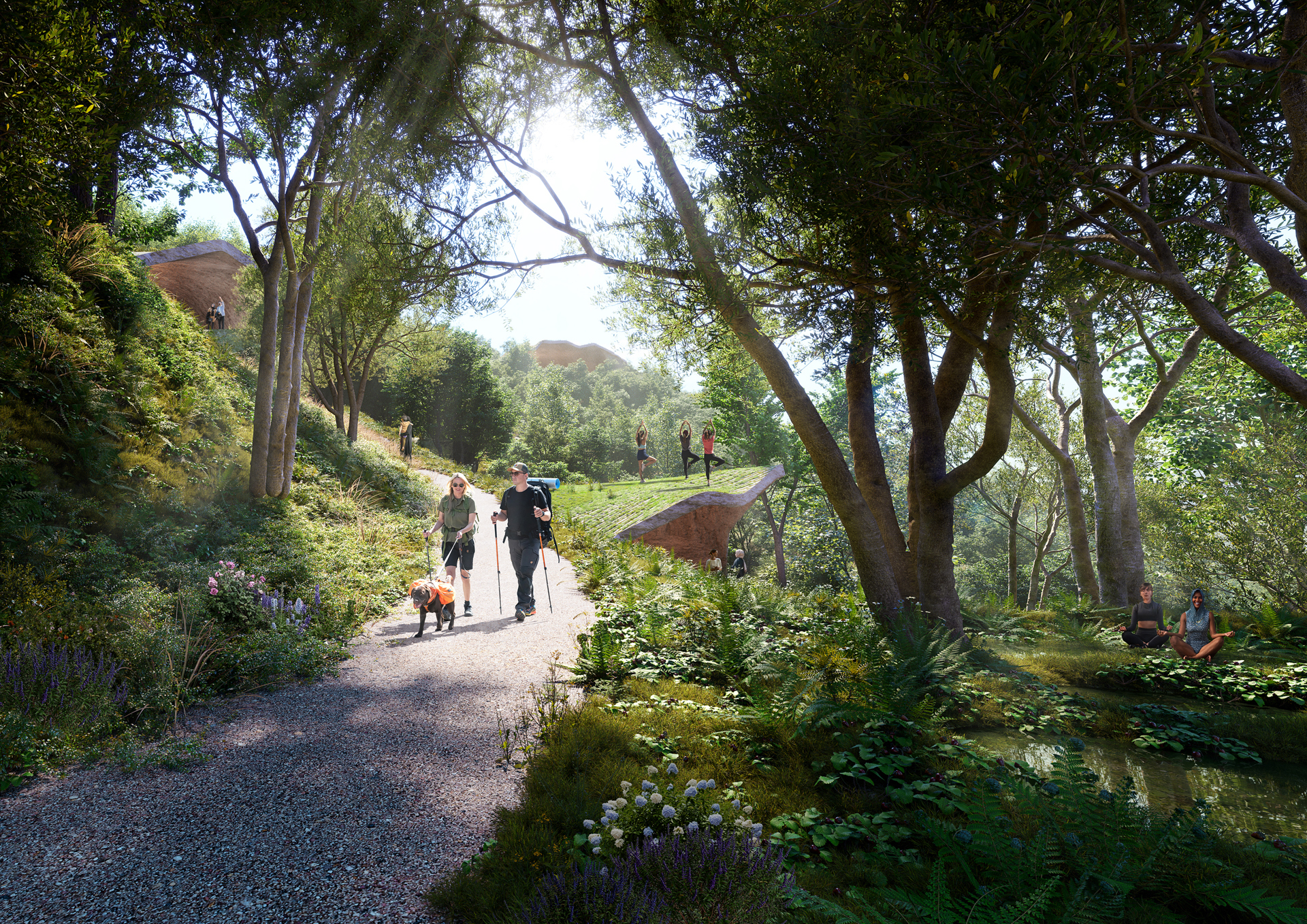
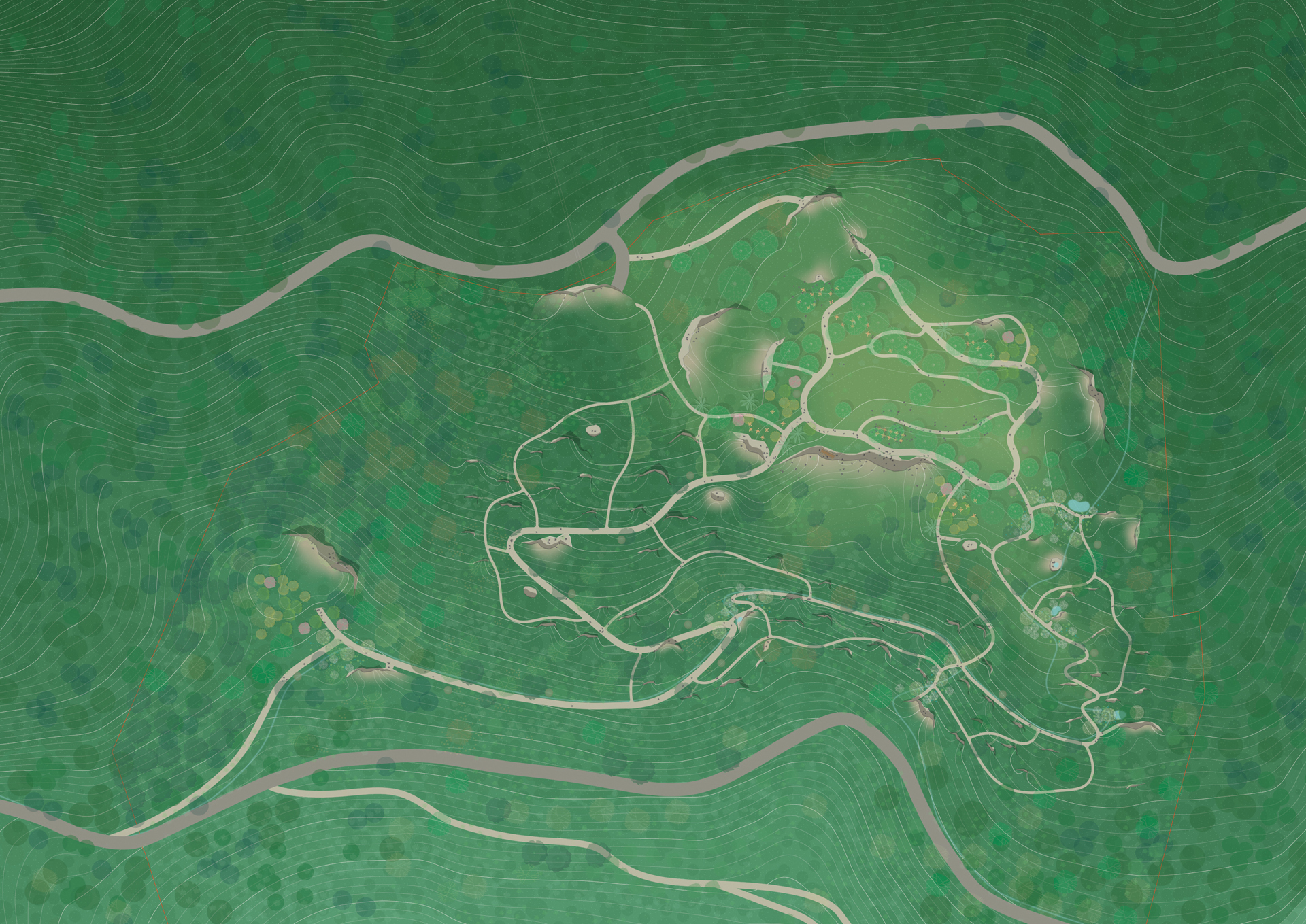
Each structure is shaped in response to its specific programme, orientation, and setting. Together, they form a constellation of interconnected destinations linked by a network of paths that weave through the mountain. Along these routes, visitors encounter places for worship, storytelling, education, meditation, and communal activities, as well as gardens featuring plant species associated with different religious traditions.
The proposal seeks to minimise the site impact, with existing trees and natural clearings determining the placement of buildings, and reducing disturbance to the forest ecosystem. The structures are constructed using local stone aggregates and bio-based materials, while planted roofs allow them to merge with the landscape. A site-wide water system collects, stores, and circulates rainwater to support vegetation during dry periods.
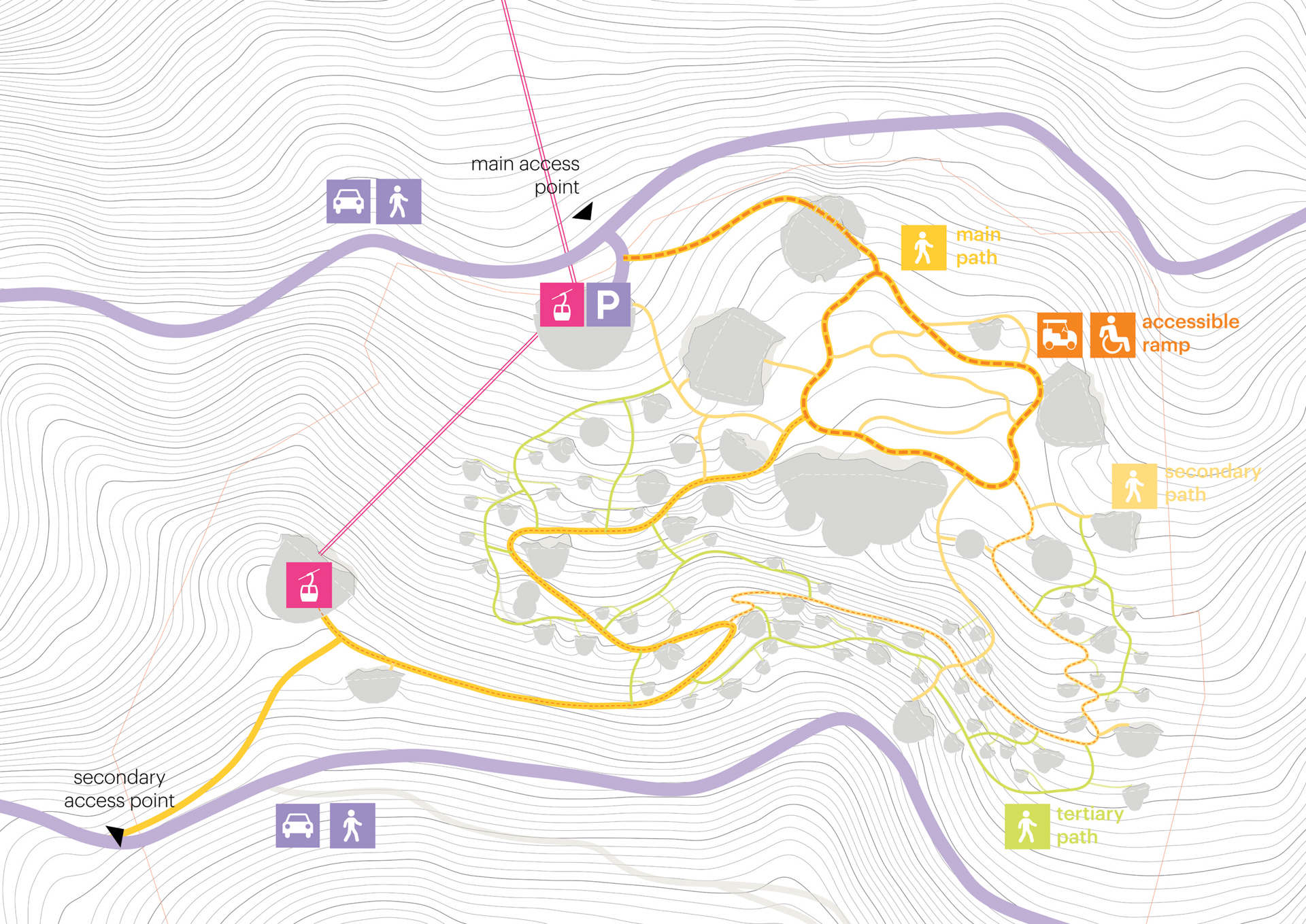
Visitors enter the park through a welcome pavilion at the foot of the mountain, while a proposed cable car connection offers an alternative route and panoramic views over the landscape. From there, a sequence of paths leads through the various programmes, from the Museum of Remembrance and collective gathering spaces to secluded sanctuaries hidden among the trees.
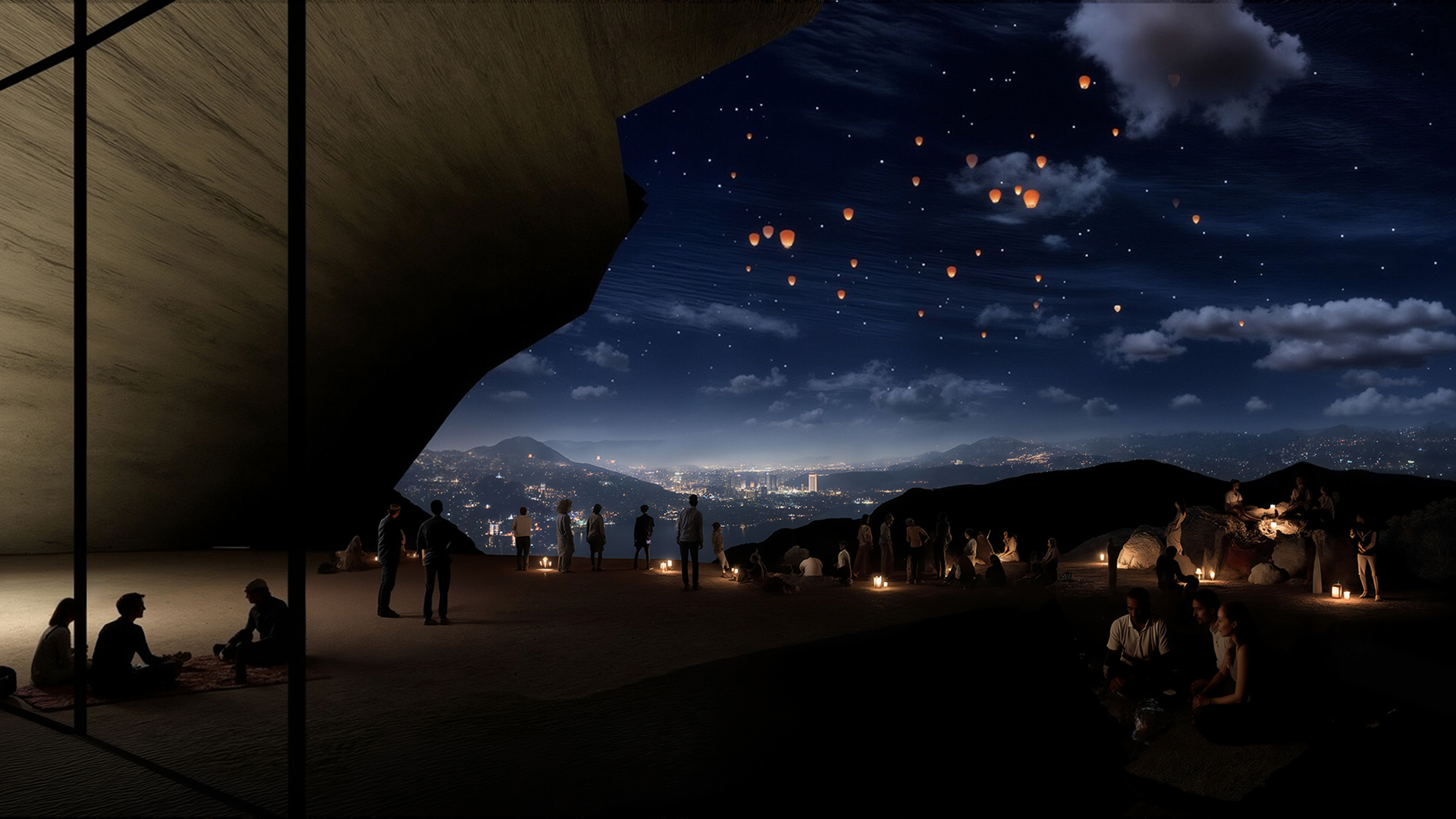
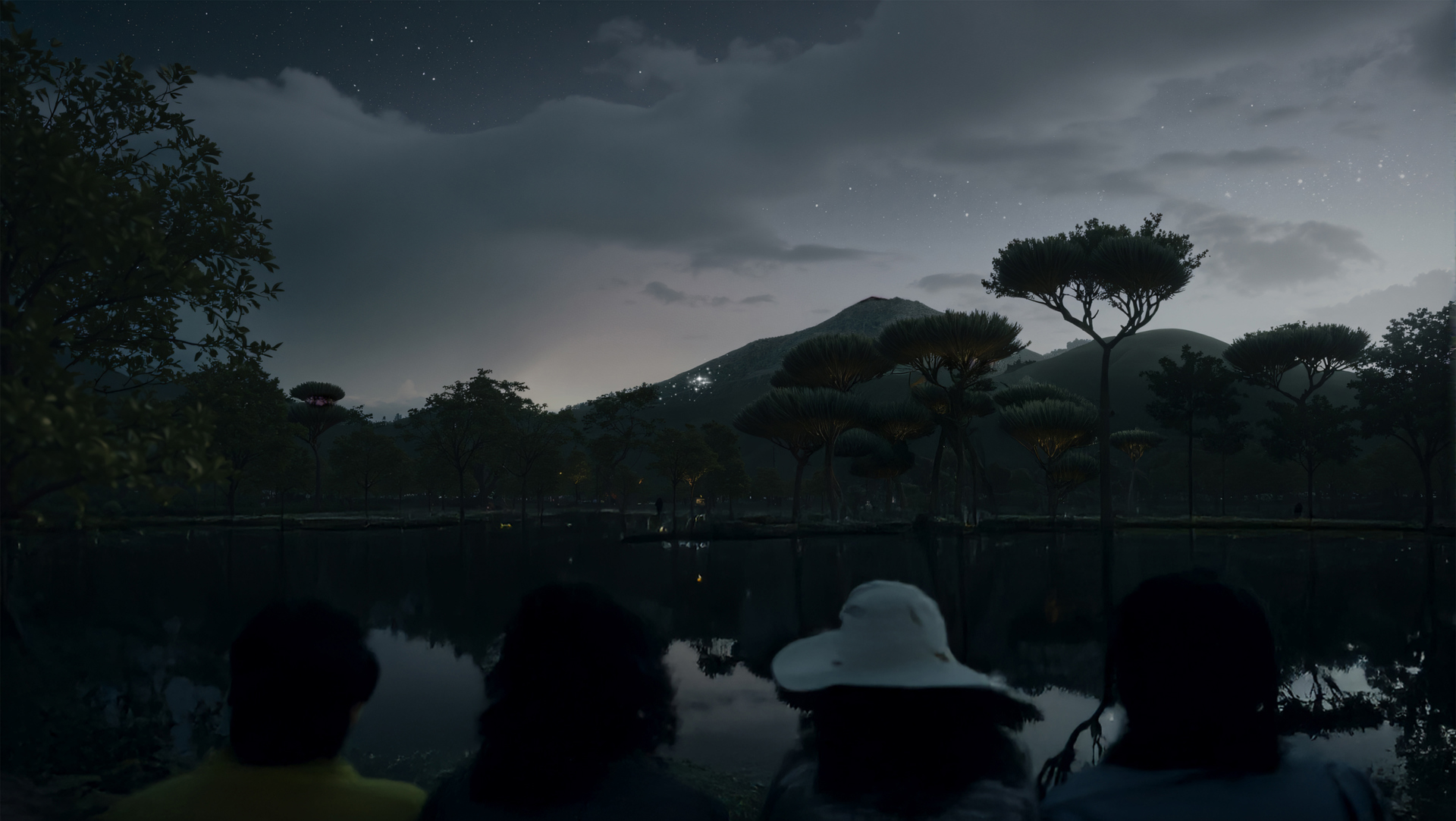
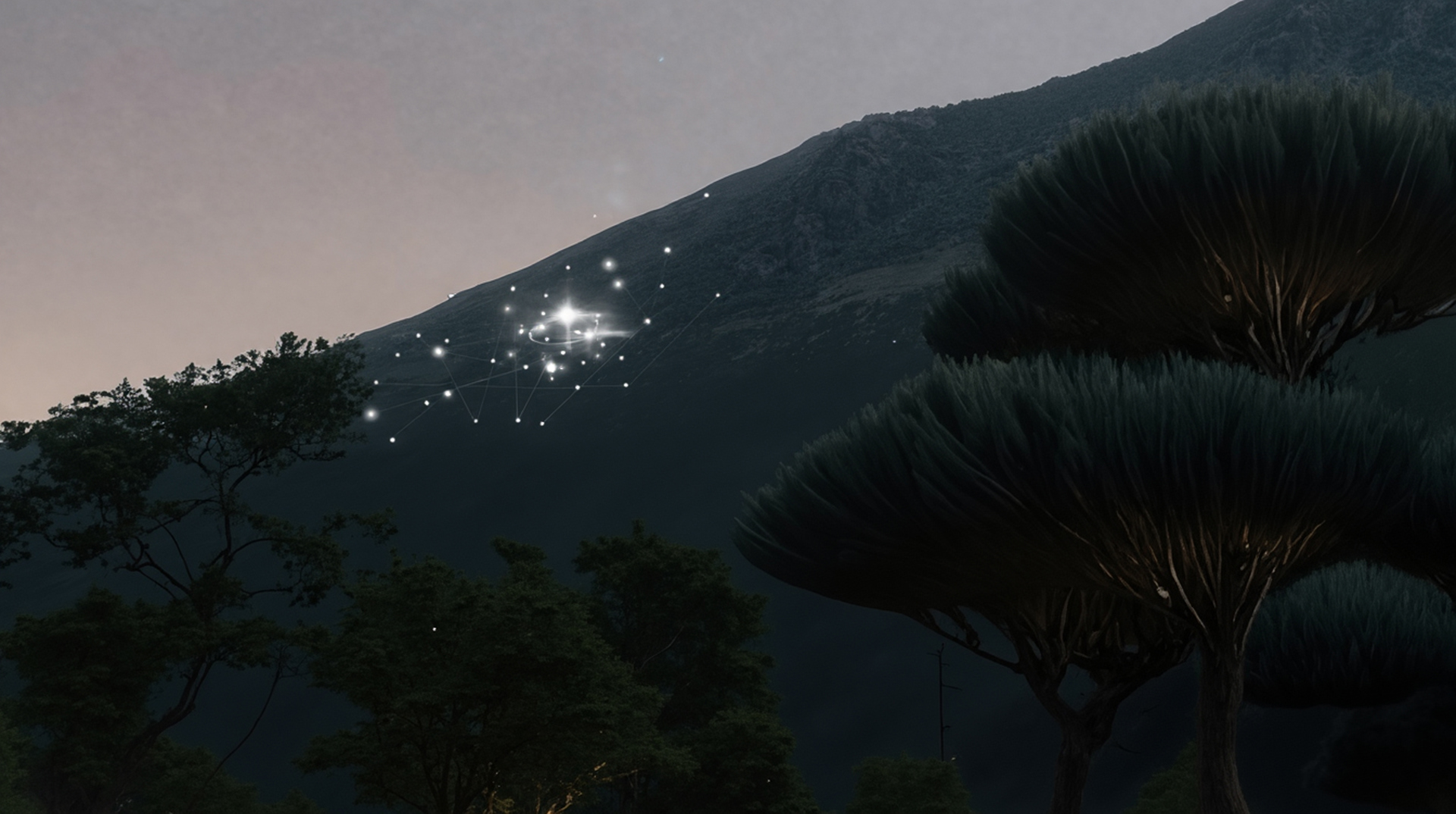
As daylight fades, the illuminated cupolas emerge from the mountainside as a scattered constellation. Visible from the city below, they transform the hillside into a glowing network of spaces embedded within the landscape.
Gallery
MVRDV
MVRDV
MVRDV
MVRDV
MVRDV
MVRDV
MVRDV
MVRDV
MVRDV
MVRDV
MVRDV
MVRDV
MVRDV
MVRDV
MVRDV
MVRDV
MVRDV
MVRDV
MVRDV
Site plan
Section
Circulation
Vegetation
Program
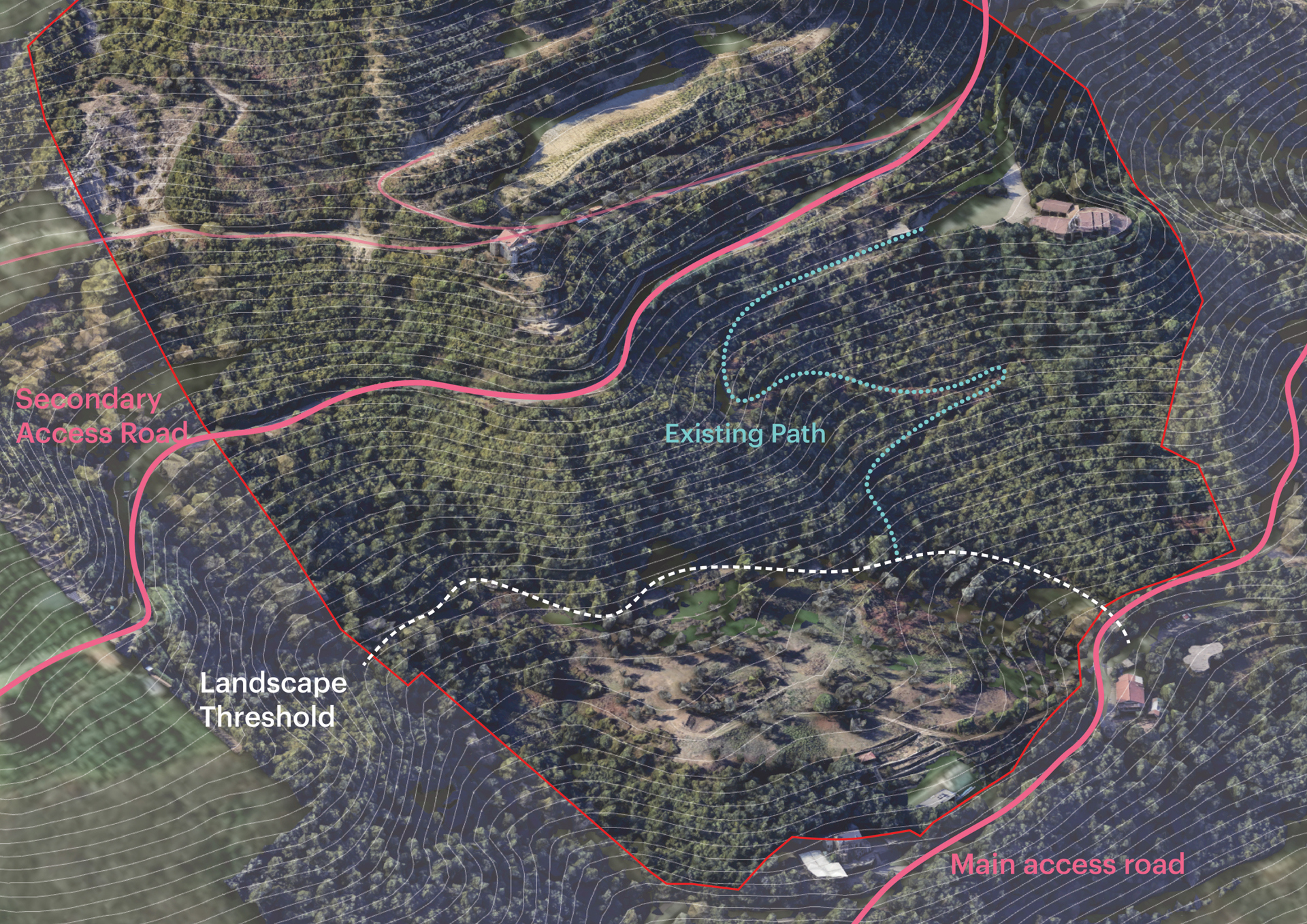
Site analysis - accessibility
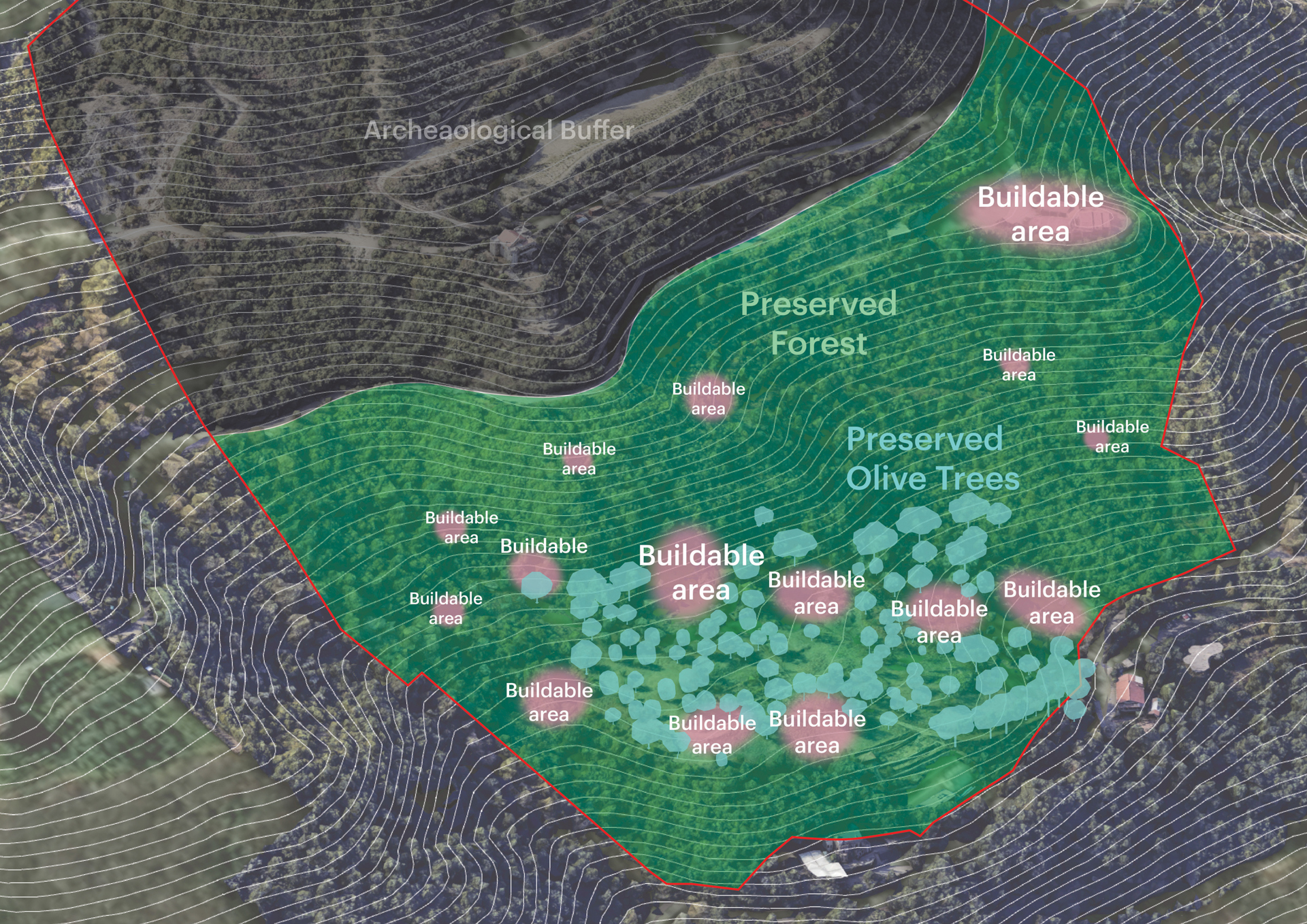
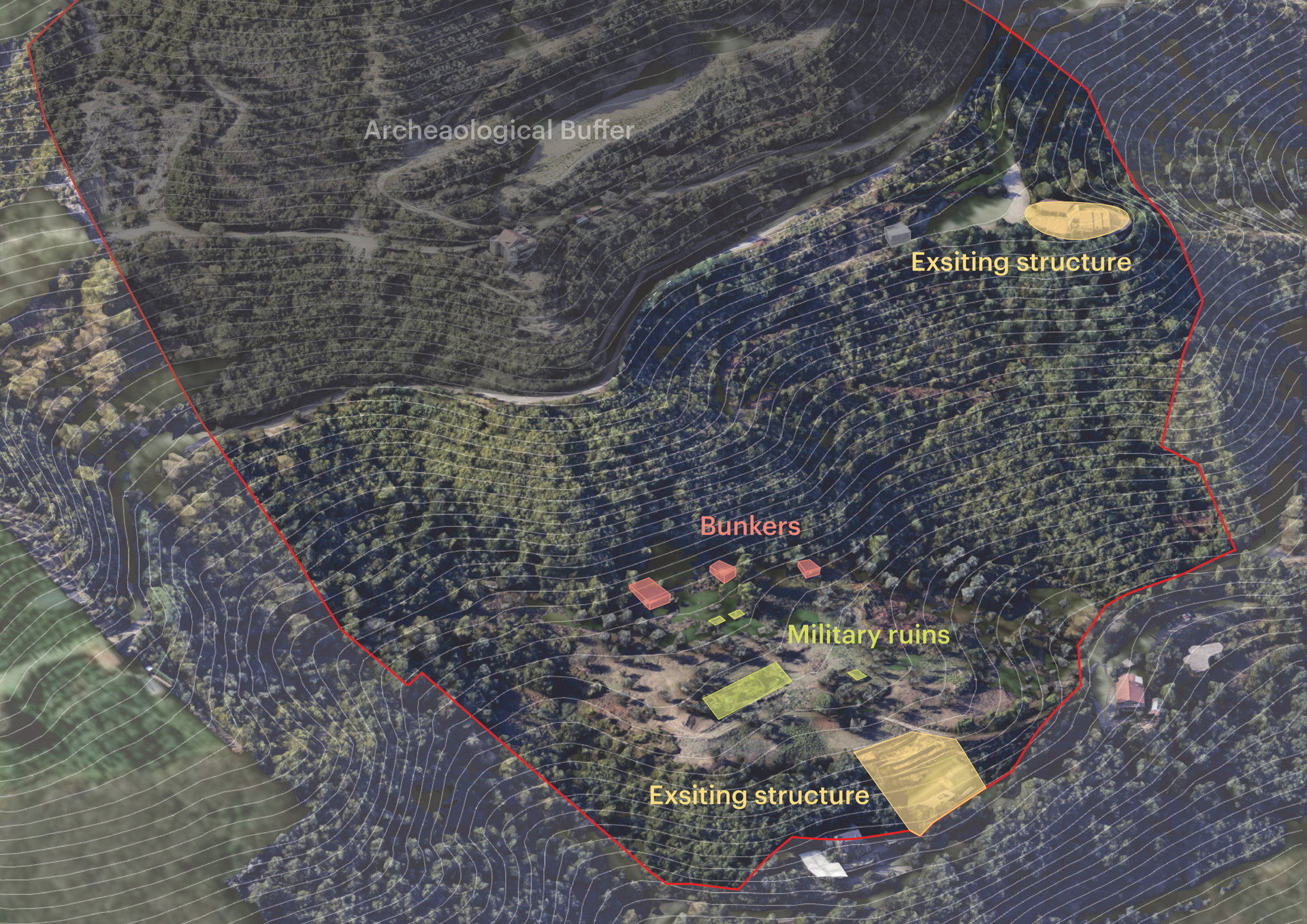
Site analysis - build and preserve
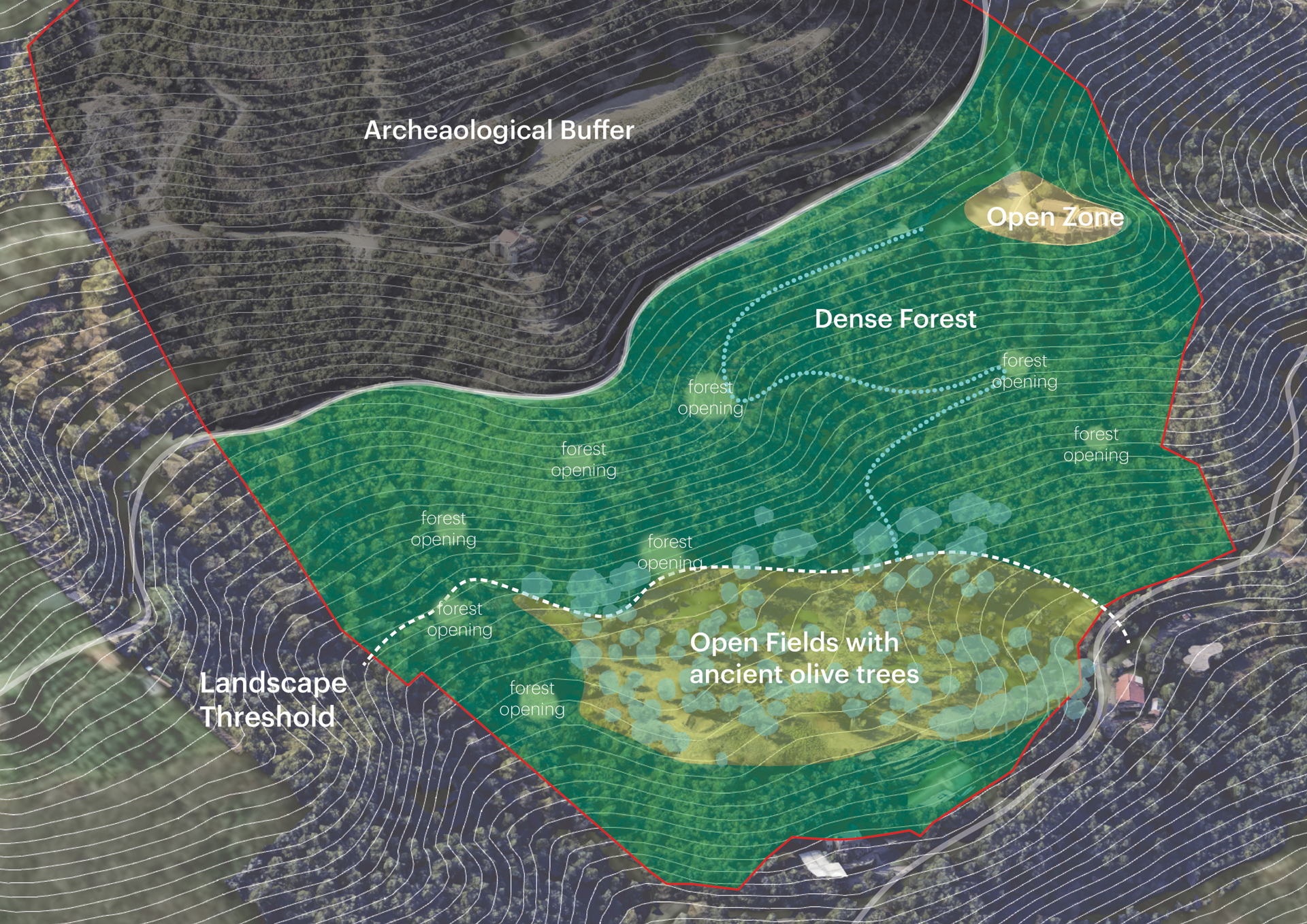
Site analysis - landscape
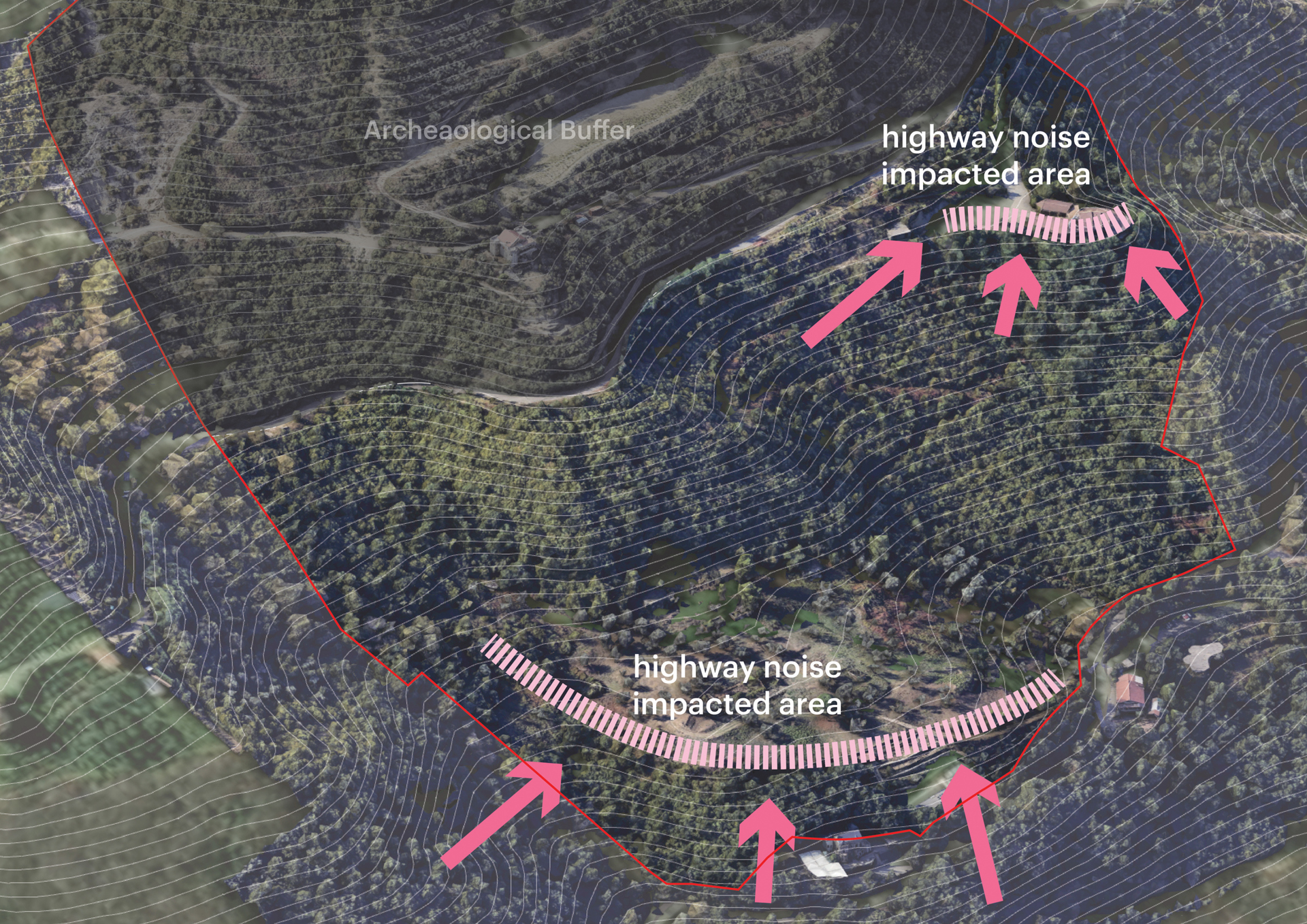
Site analysis - noise
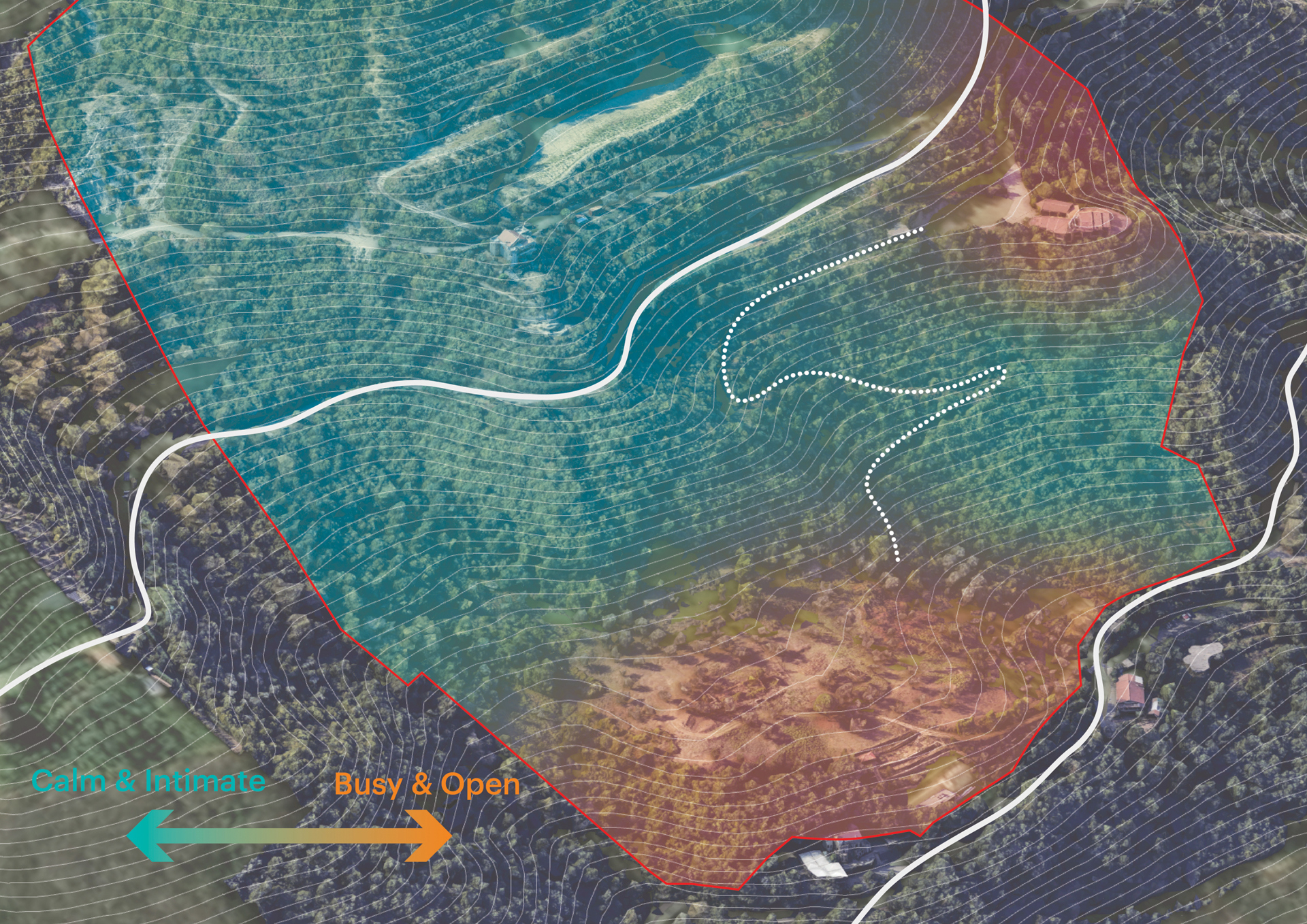
Site analysis - opennes and intimacy
Site analysis - structure

Credits
- Architect
- Founding partner in charge
- Partner
- Head of Urban
- Design team
- Strategy and Development
- Collaborators
- Co-architect:
- Uno Architects
- Engineering:
- F&M Engineering
- Landscape:
- Doxiadis +
- International Artist:
- SOS (Studio Other Spaces)
- Ecologist:
- Edit Vardhami
- Historian Curator:
- Falma Fshazi